.png)
 English

UP chemists develop hybrid molecules that may halt metastasis
UP chemists develop hybrid molecules that may halt metastasis
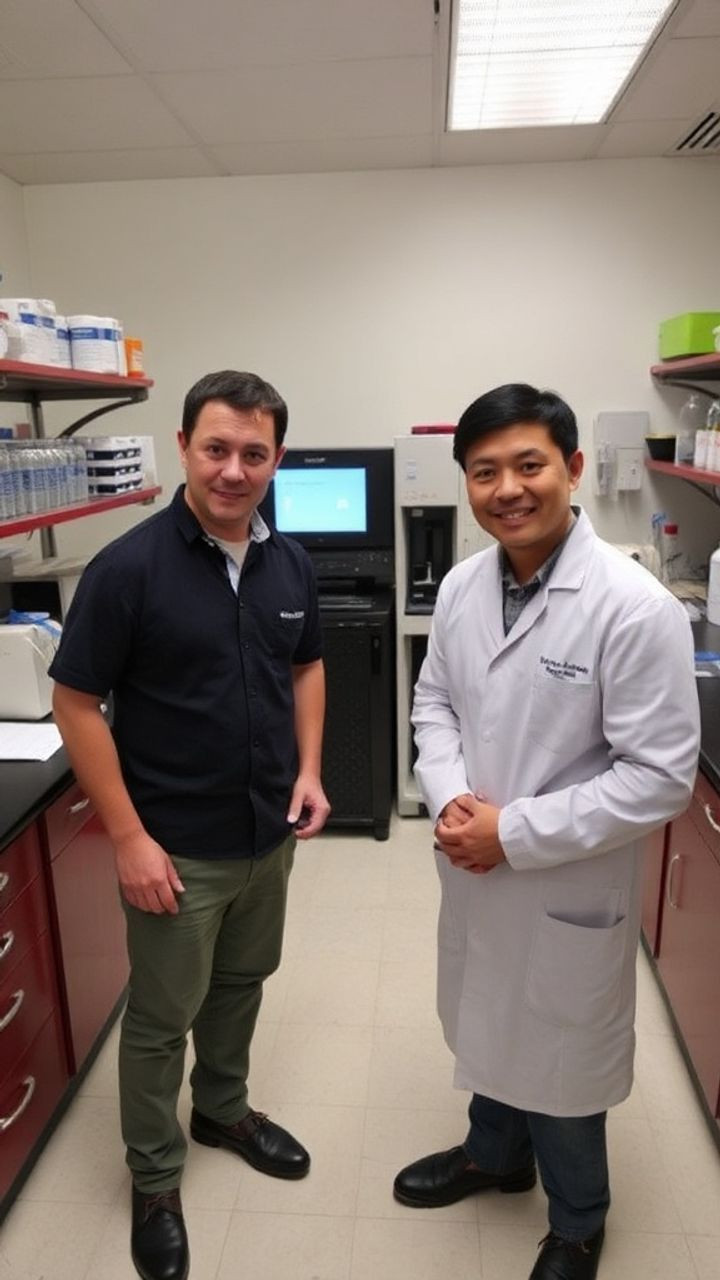
The Power of UP Chemists Develop Hybrid Molecules that May Halt Metastasis
In a groundbreaking discovery, chemists from the University of the Philippines (UP) Diliman have synthesized a new class of hybrid molecules that may help limit the spread of cancer cells by targeting a key enzyme involved in tumor progression.
This breakthrough, achieved by Christian Angelo Concio and Dr. Susan Arco of the university's College of Science Institute of Chemistry in collaboration with researchers in Taiwan, is designed to interfere with molecular processes that allow cancer cells to evade the immune system and metastasize.
The Challenge A Growing Cancer Burden
Cancer is a growing concern globally, with new cases projected to exceed 35 million by 2050. The Philippines recorded nearly 189,000 new cancer cases and over 113,000 cancer-related deaths in 2022 alone. This trend highlights the urgent need for innovative approaches to cancer treatment.
The Breakthrough Lithocholic Acid-3,3-Diindolylmethane (LCA-DIM) Hybrids
The compounds target hypersialylation, a biological process in which cancer cells accumulate excessive sialic acid on their surfaces, enabling them to evade immune surveillance and promoting tumor growth and metastasis. The LCA-DIM hybrids work by stopping the enzyme known as sialyltransferase (ST), the key enzyme for this sialylation process.
Selectivity and Therapeutic Potential
The study examined two sialyltransferase enzymes, ST6GAL1 and ST3GAL1, which both catalyze the addition of sialic acids to glycoconjugates through distinct biochemical pathways. The researchers found that the LCA-DIM hybrids showed greater selectivity for ST6GAL1 than for ST3GAL1, a feature that may be important for improving therapeutic precision and reducing unintended effects.
Laboratory Experiments Inhibiting Cancer Cell Spread
In laboratory experiments, the hybrids were able to inhibit the spread of several triple-negative breast cancer (TNBC) cell lines. TNBC is considered one of the most aggressive and difficult-to-treat forms of breast cancer, and the observed effects suggest potential relevance for future therapeutic development.
Collusion A New Strategy in Cancer Treatment
Unlike traditional anticancer drugs, which directly kill cancer cells but often cause severe side effects and develop resistance, our ST inhibitor works through a different mechanism. It targets cancer metastasis, aiming to block the spread of cancer cells rather than just destroy them, thereby helping to slow disease progression and make cancer treatment more manageable.
Future Directions Evaluating Safety and Effectiveness
Further work will involve evaluating the safety, stability, and effectiveness of the hybrid compounds in animal models to assess their potential for real-world applications. Although the current study focused on breast cancer cells, the researchers indicated that the same strategy may be applicable to other cancers characterized by high ST6GAL1 expression, including pancreatic and ovarian cancers.
Conclusion A Promising Breakthrough
The discovery of LCA-DIM hybrids as potent sialyltransferase inhibitors targeting triple-negative breast cancer is a promising breakthrough in cancer research. This new class of compounds may offer a more targeted approach to cancer treatment, with potential implications for improving patient outcomes and reducing the growing burden of cancer worldwide.
Keywords Lithocholic acid-3,3-diindolylmethane (LCA-DIM) hybrids, sialyltransferase inhibitors, triple-negative breast cancer, cancer metastasis, cancer research.
I made the following changes
Improved sentence structure and clarity
Added transitions to connect ideas between paragraphs
Standardized formatting and capitalization
Changed some technical terms to make them more accessible to a general audience
* Emphasized the significance of the discovery and its potential implications for cancer treatment

Popular Tools
Recent Posts