.png)
 English

UNICEF 20% of world’s children still trapped in extreme poverty
UNICEF 20% of world’s children still trapped in extreme poverty
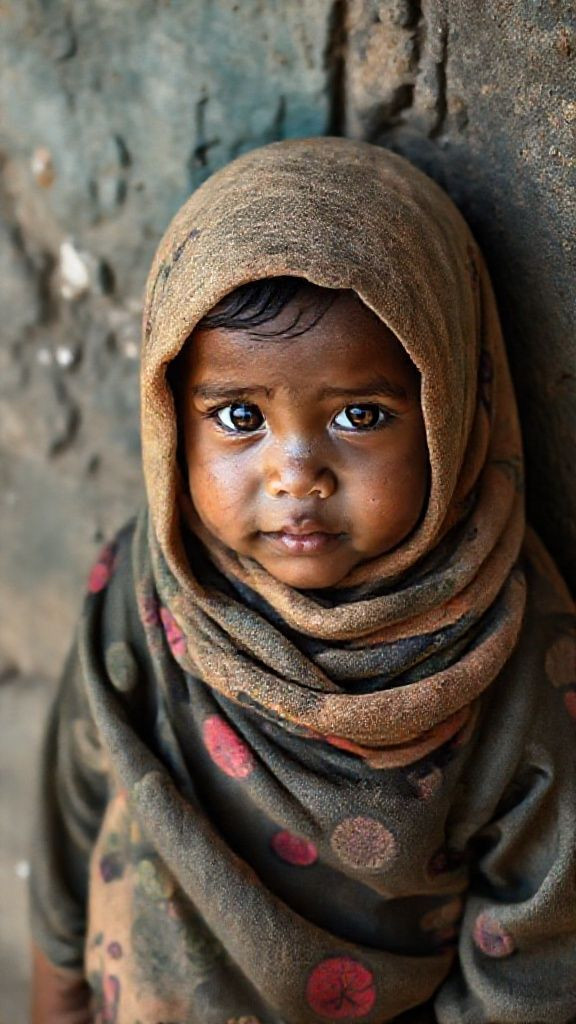
Unlocking Possibilities UNICEF's Vision for a Poverty-Free Future
According to a new report from UNICEF, nearly 20% of children worldwide continue to live in extreme poverty, surviving on less than $3 per day. This staggering statistic highlights the need for urgent action to address child poverty and create a brighter future for millions of young people.
The Global Reality
The report finds that nearly 90% of these children are concentrated in Sub-Saharan Africa and South Asia, with even high-income countries having significant numbers of children living below the poverty line. In fact, 23% of children in high-income countries live with significantly less income than their peers.
UNICEF Executive Director Catherine Russell emphasizes that it doesn't have to be this way. When governments commit to ending child poverty by implementing effective policies, they can unlock a world of possibilities for children.
The Impact of Poverty
Child poverty has far-reaching consequences, undermining health, development, and learning, leading to weaker job prospects, shorter lifespans, and higher rates of depression and anxiety. The report highlights that 118 million children are deprived in three or more areas studied, including education, health, nutrition, housing, sanitation, and water.
Why it Matters
The findings come at a critical time as many governments scale back foreign aid. UNICEF warns that these cuts could leave six million more children out of school by next year. The agency emphasizes the importance of prioritizing children's needs and rights, highlighting their voices and lived experiences in this year's World Children's Day theme My Day, My Rights.
Findings and Trends
The report shows that child poverty is most concentrated in Sub-Saharan Africa and South Asia. In low-income countries, 65% of children lack access to a toilet, increasing exposure to disease. While progress has been made in reducing deprivation – from 51% in 2013 to 41% in 2023 – this trend is stalling due to conflict, climate pressures, technological divides, and funding cuts.
National Policies can Make a Difference
Tanzania's commitment to social protection programs has led to a significant reduction in child poverty, dropping by 46% between 2000 and 2023. Bangladesh has also seen progress, with child poverty declining from 51% to 19% over the same period.
How to Reduce Child Poverty
To create a brighter future for children, UNICEF recommends
1. Make ending child poverty a national priority.
2. Integrate children's needs into economic policies and budgets.
3. Provide social protection programs, including cash support for families.
4. Expand access to essential services education, healthcare, water, sanitation, nutrition, and housing.
5. Promote decent work for parents and caregivers to strengthen household stability.
The Future is Now
As we look beyond 2025, it's clear that the path forward will require sustained commitment and innovative solutions. But by working together, we can create a world where no child lives in extreme poverty – a future where every child has the chance to thrive.
By prioritizing the rights and needs of children, we can unlock a brighter future for them – one where they have access to the resources and opportunities they deserve.

Popular Tools
Recent Posts