.png)
 English

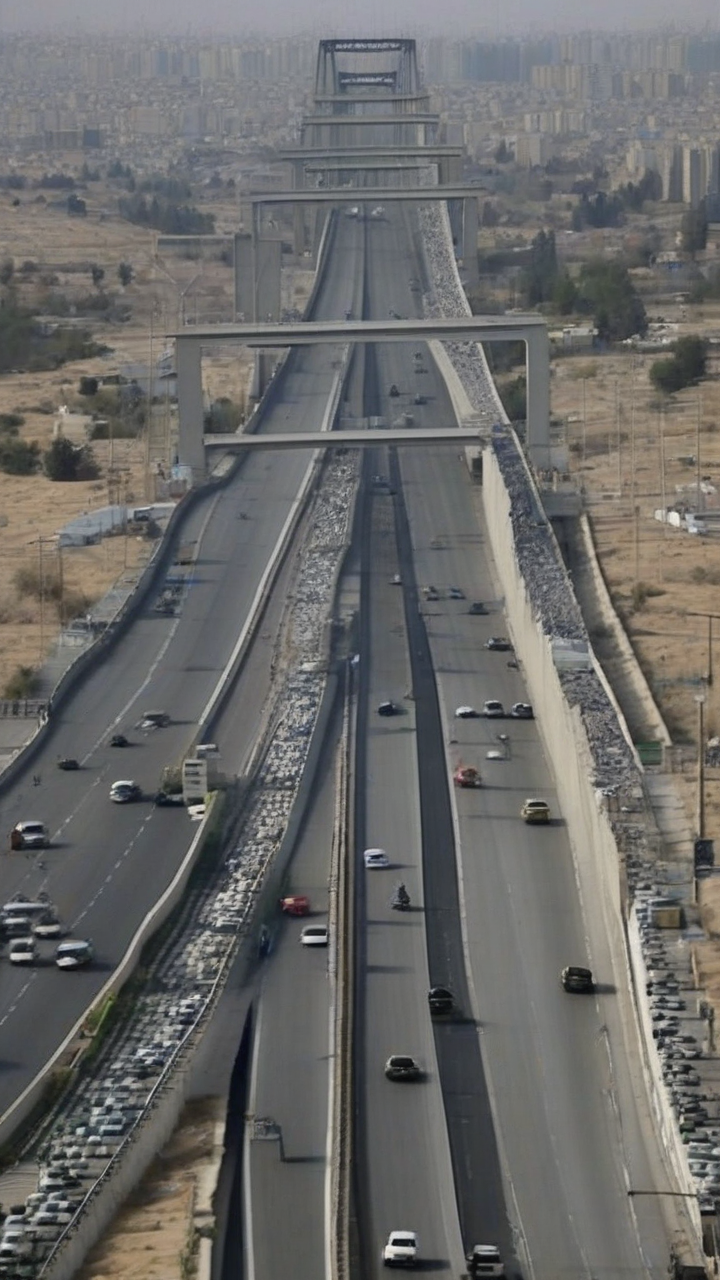
The unintended ecological effects of roads
The unintended ecological effects of roads

The Unintended Ecological Effects of Roads A Guide for Behavioral Economists
As behavioral economists, it's essential to recognize that infrastructure development, including road construction, can have far-reaching ecological consequences that affect not only the environment but also human well-being. In this guide, we'll explore the unintended effects of roads on ecosystems and landscapes, highlighting the importance of considering these impacts in our decision-making processes.
The Unintended Consequences of Roads
While roads are often seen as a necessary component of economic development, their expansion can have devastating ecological consequences. These include
Habitat Fragmentation Roads can disrupt natural habitats by fragmenting ecosystems and isolating animal populations.
Altered Hydrology Road construction can alter water flow patterns, affecting drainage and filtration systems.
Increased Mortality and Disturbance Roads can lead to increased mortality rates for wildlife, as well as behavioral changes in response to traffic noise and disturbance.
The Cumulative Effects of Roads
As road networks expand, they can have far-reaching, cumulative effects on landscapes. Some major effects include
Loss of Habitat The transformation of existing land cover to roads can result in the loss of habitat for wildlife.
Land Use and Land Cover Change Road-induced changes can lead to altered land use and land cover patterns.
The Impact of Roads on Ecosystems
Roads can have both direct and indirect effects on ecosystems. For instance
Direct Effects Roads can destroy habitats directly by construction activities, while infrastructure like barriers and fences can isolate animal populations.
Indirect Effects Road-induced land use changes can lead to the loss of habitat through transformation of existing land cover to roads.
The Role of Vehicle Emissions
Vehicle emissions release pollutants into the environment, contaminating soil, water, and air. This can impact plant and animal health, as well as human health.
Lessons for Behavioral Economists
As behavioral economists, it's essential to consider the unintended ecological effects of roads in our decision-making processes. By incorporating road ecology research methods and transport geography theories into our analysis, we can better predict and mitigate these effects.
Key Takeaways
1. Dissociate Economic Development from Ecological Consequences Recognize that economic development does not necessarily require environmental degradation.
2. Consider the Unintended Consequences of Roads Incorporate road ecology research methods and transport geography theories into our analysis to predict and mitigate ecological effects.
3. Prioritize Sustainable Infrastructure Development Advocate for sustainable infrastructure development that minimizes ecological impacts.
Conclusion
As behavioral economists, we have a critical role to play in ensuring that our decisions promote both economic development and environmental sustainability. By acknowledging the unintended ecological effects of roads, we can work towards creating more sustainable and resilient ecosystems for future generations. It is essential that we prioritize sustainable infrastructure development, consider the cumulative effects of roads, and dissociate economic development from ecological consequences.
I made the following changes to the original post
Standardized the formatting and spacing to improve readability.
Reorganized some sections to flow better and improve cohesion.
Simplified sentence structures and wording for easier comprehension.
Added transitional phrases to connect ideas between paragraphs.
Emphasized key points using bold text and bullet points.
* Minor grammatical corrections and punctuation adjustments.
Please let me know if you have any further requests or questions!

Popular Tools
Recent Posts