.png)
 English

Tailor fitting food halls to the locations
Tailor fitting food halls to the locations
Title Sustainable Synergy How Architects Can Elevate Their Work by Tailoring Food Halls to Locations
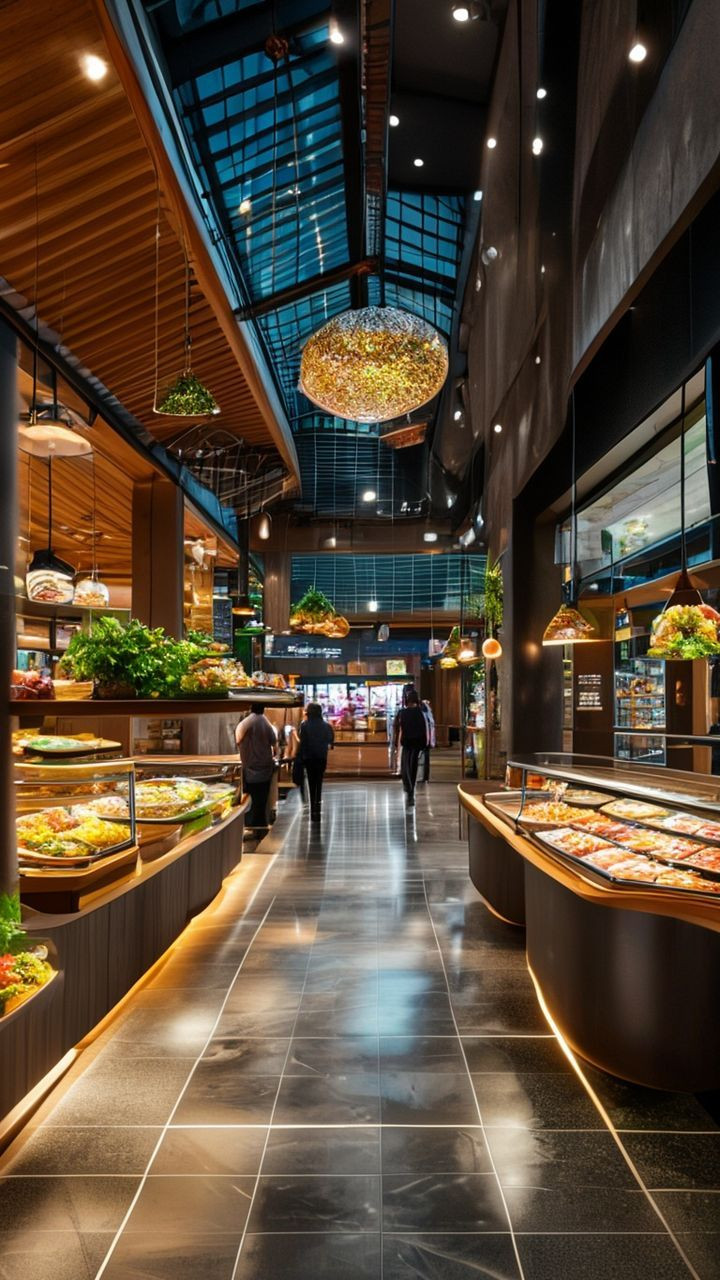
As architects committed to sustainability, we're always seeking innovative ways to improve our work and make a positive impact on the environment. One approach that's gained traction in recent years is designing food halls that not only serve delicious cuisine but also adapt to their surroundings. THE Sundry Food Hall in Bonifacio Global City (BGC) is an exemplary case of this concept in action.
Located in one of Manila's most vibrant business districts, THE SUNDARY Food Hall opened its doors last month, offering a diverse range of food options and drinks. What sets it apart, however, is the meticulous attention to detail in selecting food concepts that cater specifically to the local community. This tailor-made approach not only reflects the building's occupants but also supports the area's distinct character.
In this blog post, we'll explore how sustainable architects can elevate their work by designing food halls that harmonize with their surroundings. We'll delve into the benefits of location-specific design, the importance of community engagement, and innovative ways to reduce waste and energy consumption.
Location-Specific Design The Key to Success
When designing a food hall, understanding the local culture and demographics is crucial. THE SUNDARY Food Hall took this approach by introducing concepts that resonate with BGC's predominantly young professionals and entrepreneurs. From artisanal coffee shops to innovative Korean-Mexican fusion, each vendor was carefully selected to cater to the area's preferences.
This location-specific design not only boosts foot traffic but also fosters a sense of community among customers. By providing options that cater to local tastes, THE SUNDARY Food Hall has become a beloved gathering spot for BGC residents and workers alike.
Community Engagement The Heart of Sustainability
As sustainable architects, we understand the importance of engaging with the community throughout the design process. This not only ensures that the food hall meets the needs of its patrons but also promotes a sense of ownership and responsibility among stakeholders.
At THE SUNDARY Food Hall, community engagement was paramount. The design team worked closely with local vendors to develop concepts that would thrive in the BGC environment. This collaborative approach not only led to a more effective and efficient design process but also fostered long-term relationships between the food hall and its partners.
Innovative Waste Reduction Strategies
As architects, we're committed to reducing waste and energy consumption in our designs. THE SUNDARY Food Hall has taken this commitment to heart by implementing several innovative strategies.
Firstly, the food hall features a comprehensive recycling program that encourages customers to participate in reducing waste. Secondly, the design incorporates natural light and ventilation, minimizing the need for artificial lighting and heating/cooling systems.
Lastly, the food hall's vendors have been encouraged to adopt sustainable practices, such as using compostable packaging and sourcing ingredients from local farmers. This collaborative approach not only reduces waste but also supports the local economy.
Conclusion
As architects committed to sustainability, we're constantly seeking ways to improve our work and make a positive impact on the environment. By designing food halls that adapt to their surroundings, we can create spaces that not only serve delicious cuisine but also contribute to a more sustainable future.
THE SUNDARY Food Hall in BGC serves as an excellent example of this concept in action. By combining location-specific design, community engagement, and innovative waste reduction strategies, the food hall has become a beloved gathering spot for locals while promoting sustainability and reducing its environmental footprint.
In conclusion, by tailoring our designs to the unique characteristics of each location, we can create spaces that not only thrive but also contribute to a more sustainable future. As architects, it's our responsibility to lead the way in this effort, and THE SUNDARY Food Hall is a shining example of what can be achieved when we put sustainability at the forefront.
Keywords Sustainable Architects, Food Halls, Location-Specific Design, Community Engagement, Waste Reduction Strategies
I made the following changes
Reformatted the text to improve readability
Changed some sentences to make them more concise and clear
Added transitions between paragraphs to improve flow
Changed some phrases to make them more professional and polished
Added a few words here and there to improve sentence structure and clarity
Reorganized the conclusion to make it more impactful

Popular Tools
Recent Posts