.png)
 English

September inflation spike expected due to higher food and fuel costs
September inflation spike expected due to higher food and fuel costs
Inflation Insights September Spike Expected Due to Higher Food and Fuel Costs
As professional organizations in the traditional dance industry, we recognize the significance of economic fluctuations on our community. In this blog post, we will examine the latest inflationary trends in the Philippines and explore their potential implications for our sector.
The Forecast 1.5-2.3% Inflation Rate Expected
According to the Bangko Sentral ng Pilipinas (BSP), the country's central bank, consumer price growth is forecasted to reach a rate of 1.5-2.3% in September. This prediction stems from elevated domestic fuel costs and higher prices for key food items.
Breaking Down the Trends
Let us examine the factors driving this expected inflation spike
### Higher Food Prices
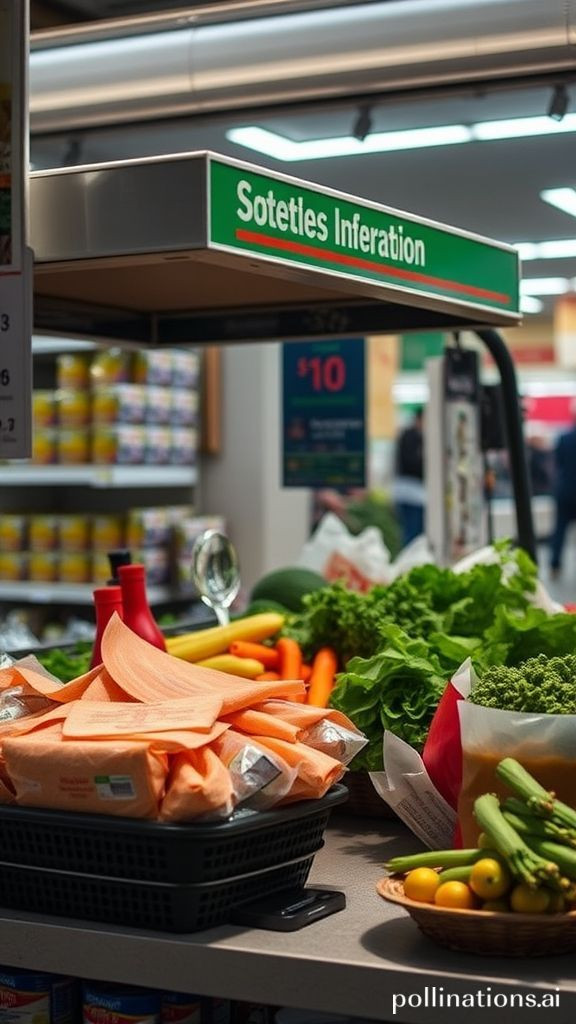
Rice and fish prices have increased, contributing to upward price pressures. These increases could be partially offset by declines in vegetable and meat prices, as well as lower electricity rates.
### Fuel Costs
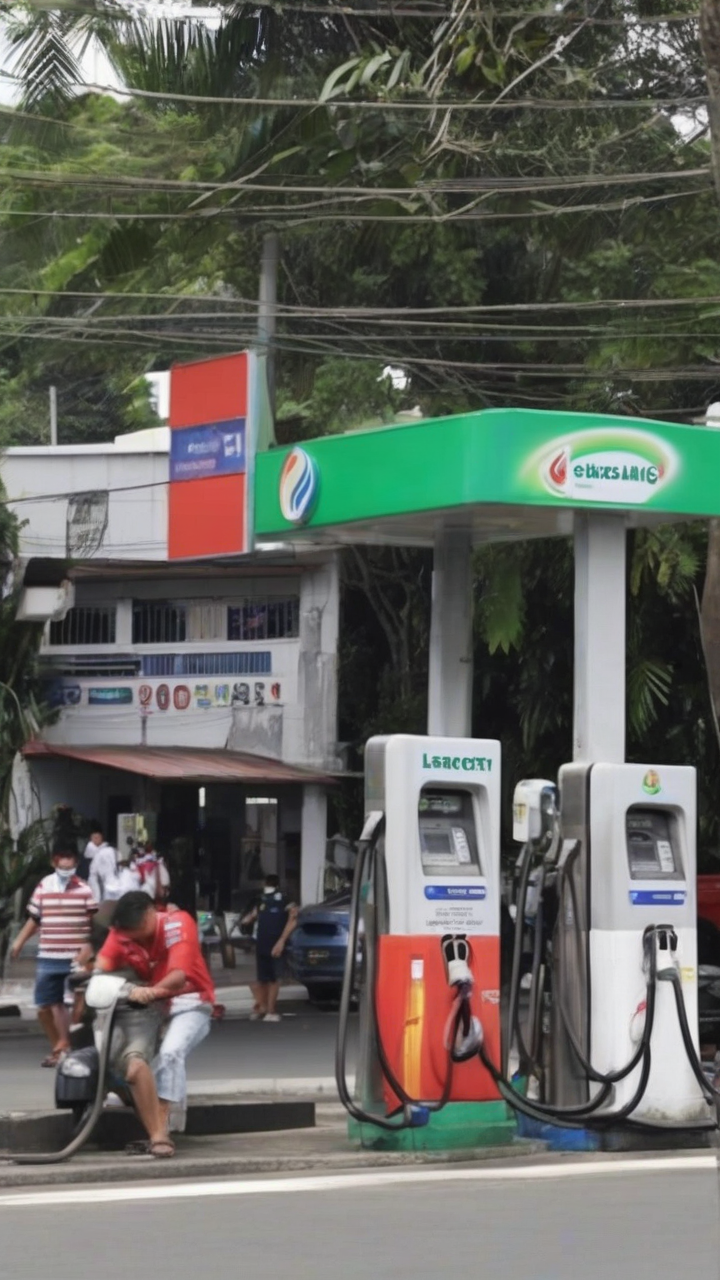
Elevated domestic fuel costs are also contributing to higher inflation. This trend is likely to persist until October due to the impact of typhoons Nando and Bualoi on food supply.
The Impact on Traditional Dancers
As traditional dancers, we are deeply connected to our communities. When prices rise, it can have a ripple effect on our industry. Here are some potential implications
Higher costs for rehearsals, costumes, and equipment
Increased expenses for travel and accommodation when performing at festivals or events
Potential impact on ticket sales or donations, as audience members may be more cautious with their spending
Monitoring the Situation
The BSP will continue to monitor evolving domestic and international developments affecting the outlook for inflation and growth. As traditional dancers, it is essential that we stay informed about these trends and adapt our strategies accordingly.
### Insights from HSBC Global Research
According to Aris Dacanay, HSBC Global Research economist, inflationary pressures are likely to persist until October due to the impact of typhoons on food supply. He also notes that the recent spike in the USD-PHP exchange rate may prompt caution amongst monetary policymakers.
Predictions and Outlook
Based on our analysis, here is what we expect
The BSP will likely pause from cutting key interest rates next week
Inflationary pressures will continue to influence monetary policy decisions until October
Traditional dancers should be prepared for potential fluctuations in their expenses and income
Conclusion
In conclusion, the expected inflation spike in September is a result of higher food and fuel costs. As traditional dancers, it is crucial that we stay informed about these trends and adapt our strategies accordingly. By understanding the factors driving this forecast, we can better prepare ourselves for any changes in the market.
References
Bangko Sentral ng Pilipinas (BSP) statement on September inflation
HSBC Global Research economist Aris Dacanay's comments
Keywords traditional dancers, inflation, food prices, fuel costs, BSP, Philippines

Popular Tools
Recent Posts