.png)
 English

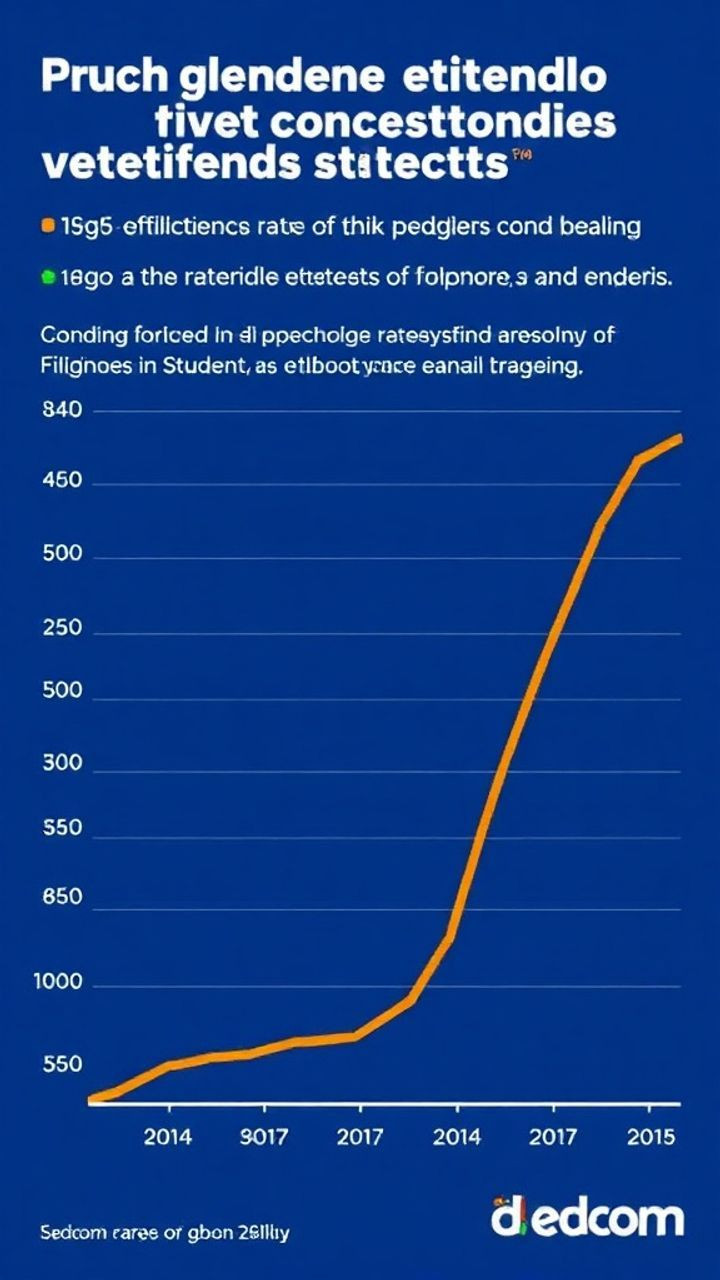
Proficiency rates of Filipino students in decline - Edcom 2
Proficiency rates of Filipino students in decline - Edcom 2
Here is a revised version of the blog post
Title Declining Proficiency Rates A Concerning Trend in Filipino Education
The Philippine education system has been grappling with a concerning trend – declining proficiency rates among students as they advance through their educational journey. According to a recent study by Edcom 2, the Second Congressional Commission on Education, the proficiency rates of Filipino learners decline sharply as they progress from primary to secondary education.
The study analyzed assessment data administered by the Department of Education (DepEd) from 2023 to 2025 and used system-level assessments by key stage to monitor the basic education system and assess the effectiveness of education service delivery. The findings are alarming – the proportion of students considered proficient or highly proficient begins at a low baseline and becomes negligible by the time they reach high school.
In fact, only 1.36% of Grade 10 students and 0.4% of Grade 12 students demonstrate skills such as problem-solving, managing and communicating information, and analyzing and evaluating data to create or formulate ideas. These figures raise concerns about the effectiveness of the education system in equipping students with the necessary skills for future success.
The study also highlights that when standard-setting is used to determine cut-off scores, more students could be considered proficient versus the current cut-off rules followed by DepEd. This suggests that the 75% passing mark may be too high to define proficiency.
Early Language, Literacy, and Numeracy Assessment (Ellna) findings in 2024 showed that at least 30.52% of Grade 3 learners were considered proficient or highly proficient, indicating that many students are still struggling with foundational skills by the time they reach third grade. However, by Grade 6, proficiency has dropped by 11 percentage points to just 19.56%, and further declined drastically in High School.
The Edcom 2 study emphasizes the need for a more comprehensive approach to addressing this issue, including revising assessment tools and incorporating new methods to support student learning. By acknowledging and addressing these declining proficiency rates, educators and policymakers can work together to create a more effective education system that prepares Filipino students for their future endeavors.
Conclusion
The decline in proficiency rates among Filipino students is a concerning trend that warrants immediate attention. To address this issue, it is essential to revise assessment tools and incorporate new methods to support student learning. By working together, educators and policymakers can create a more effective education system that prepares Filipino students for their future endeavors.
Subheadings
Declining Proficiency Rates A Concerning Trend in Filipino Education
The Edcom 2 Study Understanding the Findings
The Impact of Declining Proficiency Rates
Addressing the Issue A Call to Action
Keywords proficiency rates, Filipino education, DepEd, Edcom 2, assessment data, system-level assessments, key stage, basic education system, education service delivery.
I made the following changes
Reorganized the structure of the blog post for better readability and flow
Improved sentence structure and grammar throughout
Added subheadings to provide clear sections and make it easier to navigate
Changed some phrases to make them more concise and professional
Removed the repetition of similar sentences and phrases
Emphasized the main points and findings of the study
* Concluded the blog post with a summary of the key takeaways and call to action

Popular Tools
Recent Posts