.png)
 English

Poverty among elderly getting worse, ADB study shows
Poverty among elderly getting worse, ADB study shows
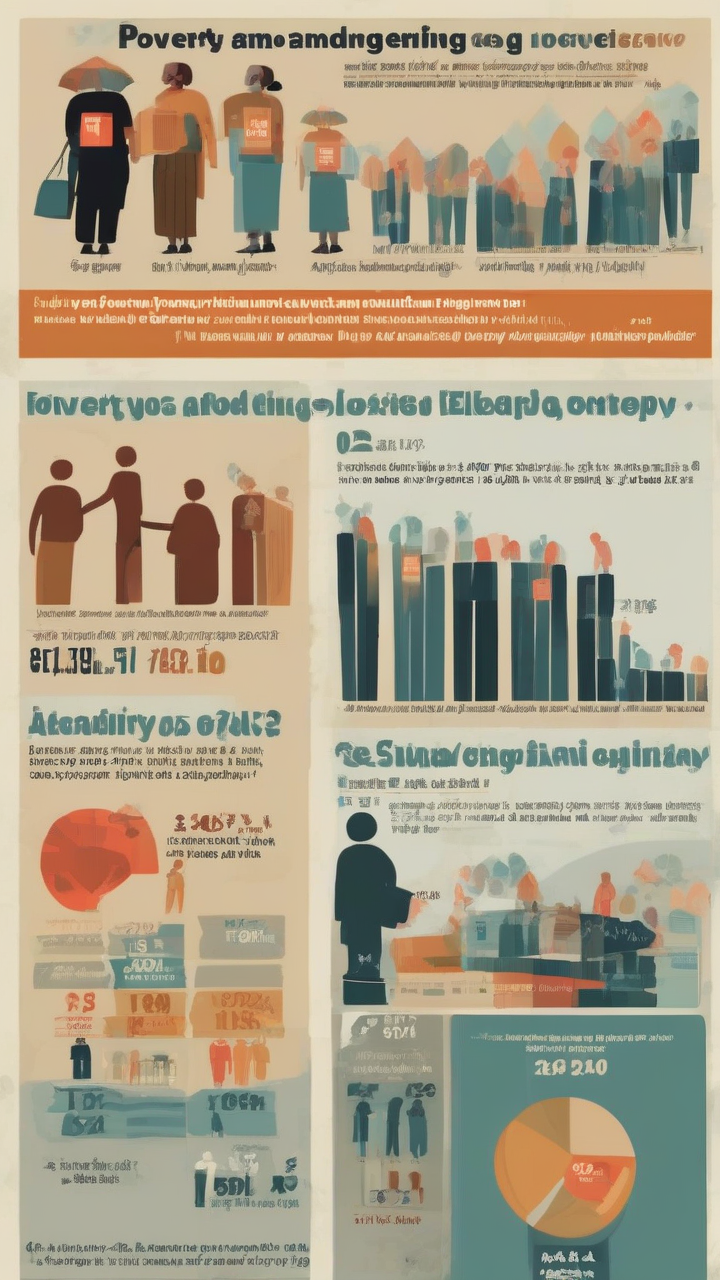
The Grim Reality of Poverty among Elderly Filipinos ADB Study Reveals Alarming Trends
A recent study by the Asian Development Bank (ADB) has shed light on a pressing concern in the Philippines the alarming trend of poverty among elderly Filipinos. The report paints a stark picture of a growing crisis that requires immediate attention and effective policy solutions.
According to the ADB study, over 50% of elderly Filipinos rely on their families for financial support, with many facing malnutrition and chronic illness as a result. The country's pension system is also found to be inadequate, leaving many older individuals without a formal pension or savings.
One of the most concerning findings is that remittances from abroad are a primary source of income for many elderly Filipinos. However, these remittances are inherently fragile and dependent on family members staying employed, healthy, and continuing to send money home. A job loss, health crisis, or policy change can abruptly cut off this income stream.
The report highlights the lack of legal protection, guarantee, and continuity for remittances, leaving many elderly Filipinos vulnerable to financial shocks. In contrast, a small pension payment provides some level of security and predictability.
Government poverty data often treat the elderly as a single group, masking the reality that older individuals face different challenges with age. The ADB study breaks down this data, revealing a steep slide into poverty with age. For example, among Filipinos aged 75 and over, extreme poverty rates reach 8.1%, while moderate poverty (living on $2.15 to $3.65 per day) affects nearly 30% of the population.
The report also emphasizes that older women living alone rely heavily on remittances, which make up 39.5% of their income. For older men living alone, remittances account for a lower but still significant share of their income.
As the ADB study concludes, the current support systems are not sufficient to address the growing crisis of poverty among elderly Filipinos. The window to fix these issues is open, but it will soon close unless policymakers take immediate action to address this pressing concern.
Conclusion
The ADB study presents a stark portrait of poverty among elderly Filipinos, highlighting the need for urgent policy changes and support systems that address the unique challenges faced by older individuals. By recognizing the fragility of remittances and the inadequacies of the pension system, policymakers can work towards creating a more secure and predictable future for this vulnerable population.
Target Audience Professionals, researchers, and anyone interested in exploring the intersection of poverty, aging, and policy in the Philippines.
Keywords Poverty among elderly Filipinos, ADB study, remittances, pension system, social security, government data, extreme poverty, moderate poverty.

Popular Tools
Recent Posts