.png)
 English

Philippines eyes mandatory social media user verification to curb abuse
Philippines eyes mandatory social media user verification to curb abuse
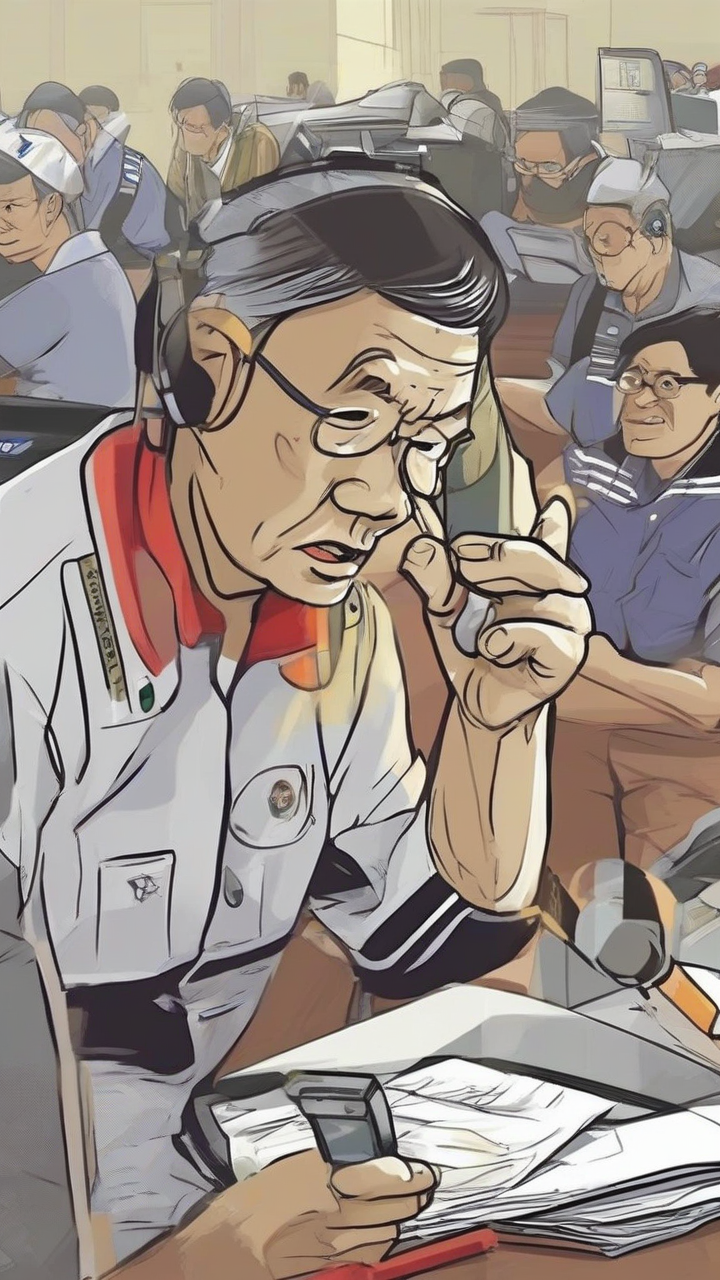
The Power of Verification Mandatory Social Media User Verification to Curbe Online Abuse
As we navigate the vast digital landscape, online safety and security must be our top priority. In an effort to combat cybercrimes, harassment, defamation, and other online offenses, the Philippine Department of Information and Communications Technology (DICT) is proposing mandatory social media user verification. This measure aims to make it easier for authorities to trace individuals involved in malicious activities. But what are the implications for digital rights and privacy advocates? Let's delve into this crucial issue.
The Case for Verification
Under the proposal, social media platforms operating in the Philippines must verify the real identities of their users. DICT Secretary Henry Aguda believes that this step will significantly reduce the presence of trolls and AI bots posting coordinated or offensive content online. Major platforms have expressed openness to this move, acknowledging the need for government direction.
A Divided Front
While some argue that compulsory identity verification could help curb misinformation, harassment, and malicious automation, others warn that it exposes Filipinos to greater risks rather than improve online safety. Digital rights advocates, such as Winthrop Yu of Internet Society Philippines, emphasize that large-scale collection of personal data creates serious vulnerabilities and puts users at risk of profiling, identity theft, and more.
The Risks and Concerns
Critics point out that even the world's largest technology firms have failed to secure massive user databases. Carlos Nazareno, director for rights at Democracy.Net.PH, warns that the proposal is dangerous and unnecessary, citing the National Privacy Commission's requirement for privacy by design. He emphasizes that data breaches should be treated as inevitable and planned for, rather than dismissed as unlikely events.
The Broader Impact
If implemented, this policy would mark a significant shift in how digital platforms operate in the Philippines. It raises questions over data protection, free expression, and the government's role in regulating online identity. As we navigate this complex issue, it's essential that we prioritize transparency, accountability, and the protection of digital rights.
Conclusion
In conclusion, mandatory social media user verification is a contentious topic that requires careful consideration. While some argue that it could help curb online abuse, others warn that it poses significant risks to users' privacy and security. As we move forward, it's essential that we strike a balance between promoting online safety and protecting digital rights.
Subheadings
The Case for Verification
A Divided Front
The Risks and Concerns
The Broader Impact
* Conclusion

Popular Tools
Recent Posts