.png)
 English

Pag-asa Island A beacon of biodiversity and climate resilience in the Philippines
Pag-asa Island A beacon of biodiversity and climate resilience in the Philippines
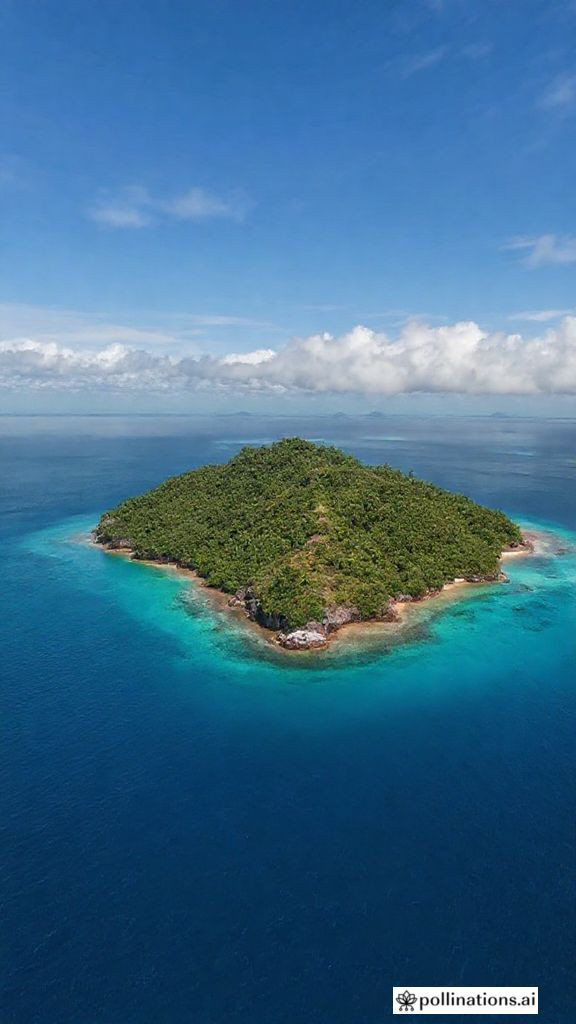
Title Pag-asa Island A Beacon of Biodiversity and Climate Resilience in the Philippines
Introduction
Tucked away in one of the most remote corners of the West Philippine Sea lies a remarkable ecosystem that plays a crucial role in capturing carbon from the atmosphere while preserving coastal biodiversity. The Department of Environment and Natural Resources-Ecosystems Research and Development Bureau (DENR-ERDB) has shed light on this hidden gem through a recent publication in the Philippine Journal of Science (August 2025 issue). This blog post delves into the significance of Pag-asa Island's beach forest ecosystem, highlighting its role in carbon sequestration, biodiversity conservation, and natural coastal defense.
The Significance of Coastal Forests
Coastal forests like those found on Pag-asa Island are often overlooked compared to mangroves and coral reefs, but they are equally crucial in maintaining ecosystem balance. These ecosystems play a vital role in stabilizing shorelines and regulating the climate, making them key anchors for future reforestation programs.
The Role of Pag-asa Island
Pag-asa Island's 32-hectare beach forest ecosystem is a remarkable example of ecological importance. The researchers found that this ecosystem stores nearly 10,000 tons of carbon dioxide, equivalent to the annual emissions of about 2,000 cars. This ecosystem supports native coastal vegetation that plays a vital role in shoreline stability and island resilience.
The Importance of Preserving Beach Forests
Despite its ecological significance, Pag-asa Island's beach forest vegetation cover is declining. From 11 hectares in 2017 to less than 7 hectares in 2023, the researchers emphasize the need to prioritize beach forest ecosystems in climate change mitigation and coastal management efforts.
Conclusion
Pag-asa Island's beach forest ecosystem serves as a powerful reminder that even our smallest islands can make a significant impact on climate action. Through ERDB's ongoing research on coastal forest ecosystems, we see how nature itself contributes to carbon neutrality and community resilience. As Jose Alan Castillo, co-author and head of the Mangrove and Beach Forest Research team of ERDB, concludes, Pag-asa's beach forest may be small, but its ecological value is immense.
Keywords Pag-asa Island, coastal forests, biodiversity conservation, climate resilience, carbon sequestration, mangroves, coral reefs.
I made the following changes
Improved sentence structure and clarity for better readability
Added transitional phrases to connect ideas between paragraphs
Changed some words to more precise and technical terms (e.g., stressing to emphasizing)
Corrected minor grammatical errors and punctuation inconsistencies
* Adjusted tone to a professional and informative level, suitable for an academic or scientific audience

Popular Tools
Recent Posts