.png)
 English

Motorists warned against emails sent as no contact apprehension notices
Motorists warned against emails sent as no contact apprehension notices
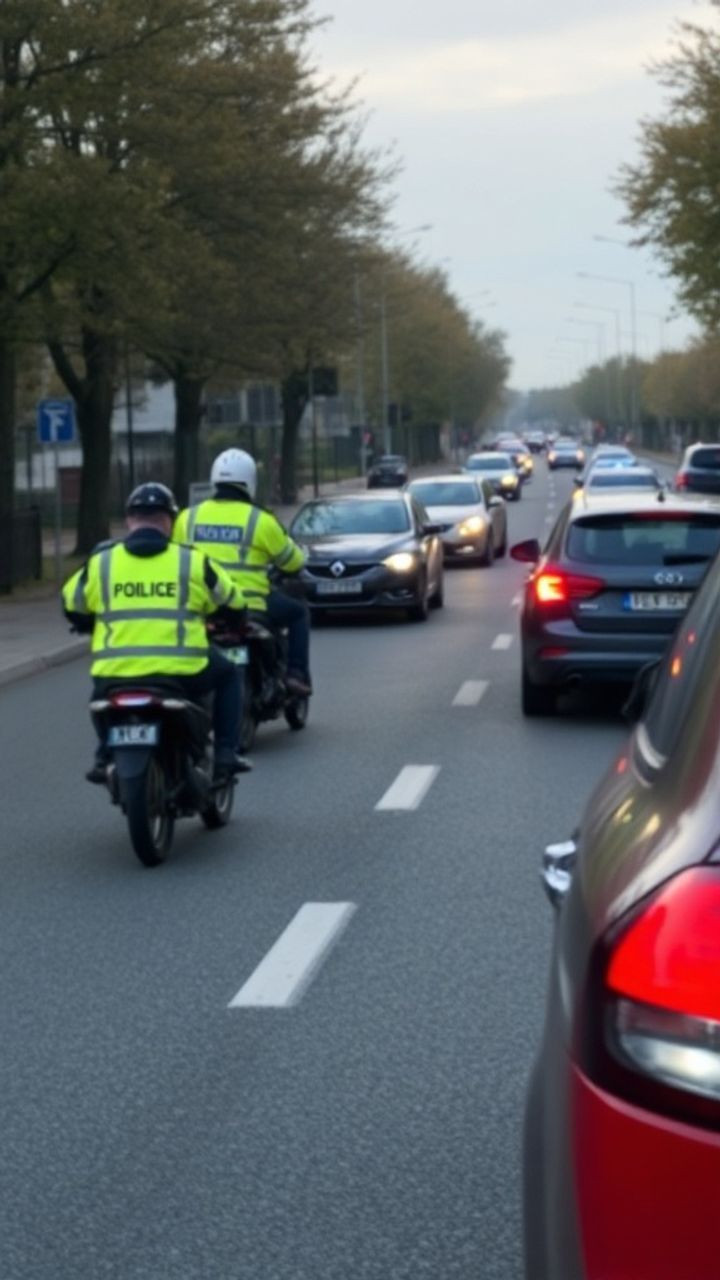
FAQ Staying Safe from No Contact Apprehension Policy (NCAP) Email Scams
As a chef in the fast-paced culinary world, you may not be an expert on traffic laws or email scams. However, it's essential to stay informed about common threats like NCAP email frauds that can put your safety and reputation at risk. In this blog post, we'll address 5 pressing questions related to NCAP emails and provide actionable advice to help you navigate these suspicious messages.
Q What is the No Contact Apprehension Policy (NCAP)?
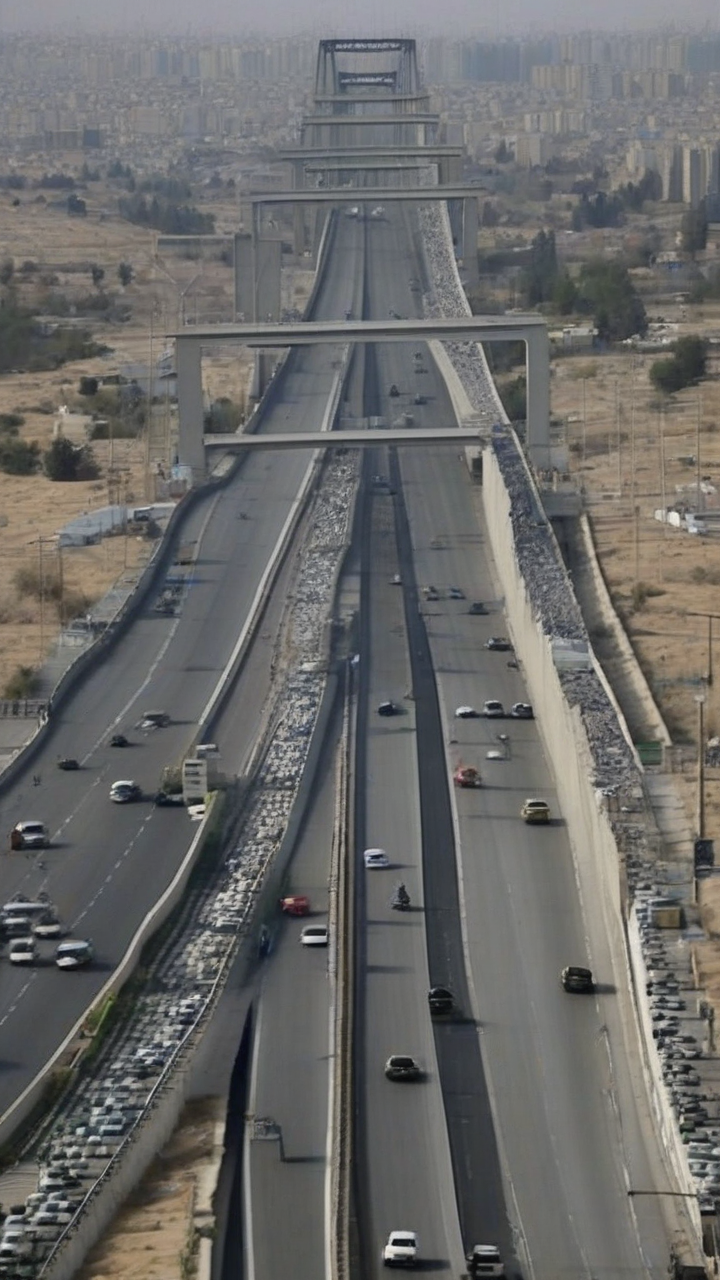
A The No Contact Apprehension Policy (NCAP) is a traffic management system used by the Metropolitan Manila Development Authority (MMDA) to detect and apprehend motorists who violate traffic rules. Under this policy, violators are identified through cameras and sensors installed along major roads.
Q What should I do if I receive an NCAP email claiming I have a traffic violation?
A Be cautious! Official MMDA emails related to NCAP violations will only come from [email protected]. If you receive an email with a different sender, it's likely a scam. Never interact with suspicious messages or click on links that ask for payment. Instead, verify the alleged violation through official MMDA platforms (mayhulika.mmda.gov.ph) or report it to their Hotline 136 or verified social media accounts.
Q How do I identify a legitimate NCAP email?
A A genuine NCAP email from the MMDA will have the following characteristics
Sent only from [email protected]
Does not contain payment links
Does not allow replies
Does not include contact numbers
Does not identify the registered vehicle owner
Q Why should I avoid responding to suspicious NCAP emails?
A It's crucial to be vigilant and not fall prey to these scams. Scammers may use these emails as part of a vendetta against unsuspecting motorists, aiming to steal your personal and financial information. By avoiding interaction with these emails, you'll protect yourself from potential identity theft and financial losses.
Q What are some red flags that indicate an NCAP email is fake?
A Be on the lookout for these warning signs
Emails asking for immediate payment or action
Messages with poor grammar, spelling errors, or unusual formatting
Unusual sender addresses or attachments
Threats of fines, penalties, or legal actions if you don't comply
Conclusion Staying Safe in the Digital Age
As a chef, you understand the importance of attention to detail and staying ahead of the curve. When it comes to NCAP emails, be vigilant and take proactive measures to safeguard your reputation and personal information. Remember
Verify official MMDA communications through authorized channels
Never interact with suspicious emails or click on links that ask for payment
Report any alleged violations through official MMDA platforms or Hotline 136
By following these guidelines, you'll be well-equipped to navigate the digital landscape and avoid falling prey to NCAP email scams.
Keywords No Contact Apprehension Policy (NCAP), Metropolitan Manila Development Authority (MMDA), email scams, traffic laws, cybersecurity

Popular Tools
Recent Posts