.png)
 English

Motorists reminded of defensive driving as Holy Week brings clear roads in Metro Manila
Motorists reminded of defensive driving as Holy Week brings clear roads in Metro Manila
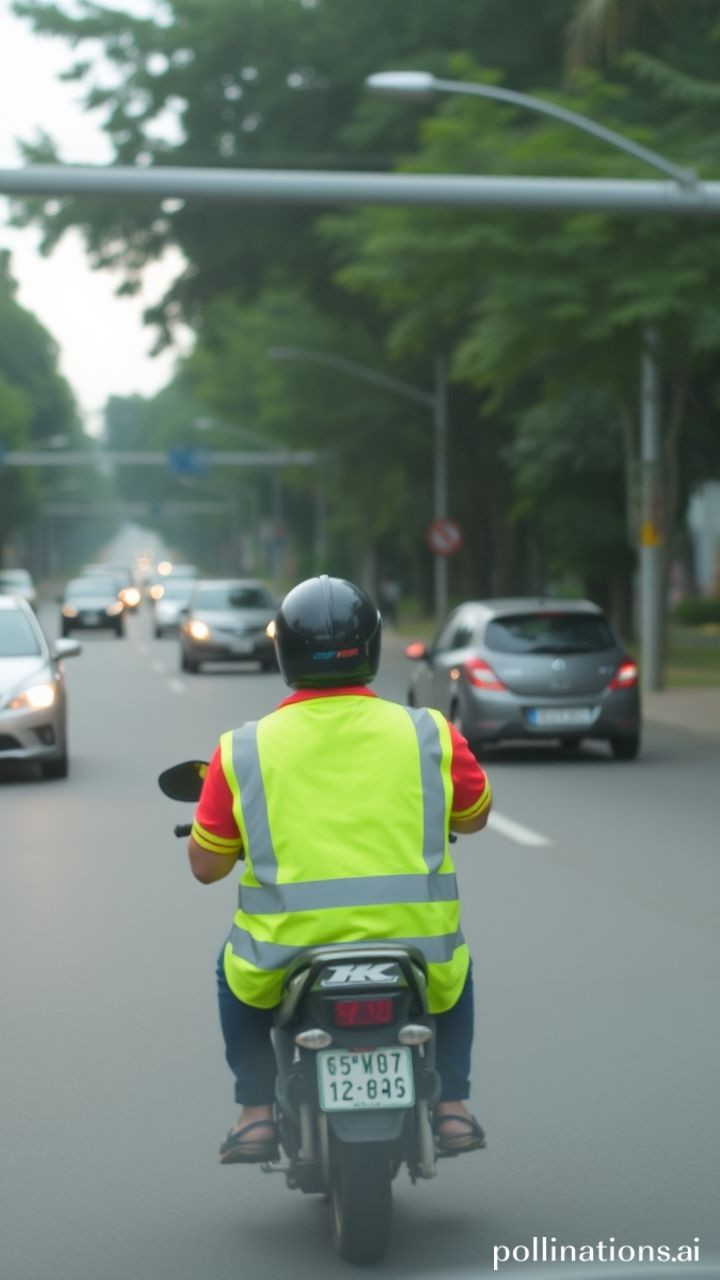
Defensive Driving A Must-Have Skill for Motorists this Holy Week
As we head into Holy Week, many Filipinos are taking a break from their busy lives in Metro Manila to visit their families and friends in the provinces. With lighter traffic expected on our roads, it's an ideal time to refresh our defensive driving skills. In this FAQ blog, we'll answer some of your most pressing questions about defensive driving and provide actionable advice to help you stay safe on the road.
What is Defensive Driving, and Why is it Important?
Defensive driving is a driving technique that focuses on anticipating and preventing hazards on the road. It's essential because it can significantly reduce the risk of accidents, injuries, and fatalities. By being aware of your surroundings, anticipating potential risks, and making smart decisions behind the wheel, you can protect yourself, your passengers, and other road users.
How Can I Practice Defensive Driving?
To practice defensive driving, start by staying alert and focused on the road. Avoid distractions like using your phone or eating while driving. Keep a safe distance from other vehicles and anticipate potential hazards like pedestrians, animals, and bad weather. Be mindful of road conditions and always follow traffic rules and signals.
What are Some Common Mistakes that Can Put Me at Risk on the Road?
Common mistakes include speeding, tailgating, weaving in and out of lanes, running red lights or stop signs, and not yielding to other drivers. These habits can lead to accidents, injuries, and fatalities. By being aware of your own driving habits and making an effort to correct them, you can significantly reduce the risk of a crash.
How Do I Handle Aggressive Drivers on the Road?
Aggressive drivers are often a result of poor road design or inadequate infrastructure. If you encounter an aggressive driver, stay calm and avoid engaging with them. Keep a safe distance, don't accelerate or brake suddenly, and try to stay one car length ahead. Remember, it's not worth risking your safety or the safety of others to engage in a confrontation.
What if I'm Involved in an Accident? How Do I Handle It?
If you're involved in an accident, prioritize your safety above all else. Move to a safe location and call for help if necessary. Exchange information with other drivers, but don't apologize or admit fault without consulting with law enforcement. Document the incident by taking photos of any damage and gathering contact information from witnesses.
Conclusion
Defensive driving is a crucial approach to navigating our roads, requiring attention, awareness, and anticipation. By practicing defensive driving, we can significantly reduce the risk of accidents, injuries, and fatalities on our roads. Remember to stay alert, focused, and aware of your surroundings, anticipate potential hazards, and make smart decisions behind the wheel.
Actionable Tips
Stay alert and focused on the road.
Avoid distractions like using your phone or eating while driving.
Keep a safe distance from other vehicles and anticipate potential hazards.
Always follow traffic rules and signals, and be prepared to react quickly in case of an emergency.
* Be aware of your own driving habits and make an effort to correct them.
By incorporating these tips into your daily driving routine, you can become a defensive driver and enjoy the benefits of safer, more enjoyable road trips. Happy driving!

Popular Tools
Recent Posts