.png)
 English

Marcos Jr. approves Philippines' first National Digital Connectivity Master Plan
Marcos Jr. approves Philippines' first National Digital Connectivity Master Plan
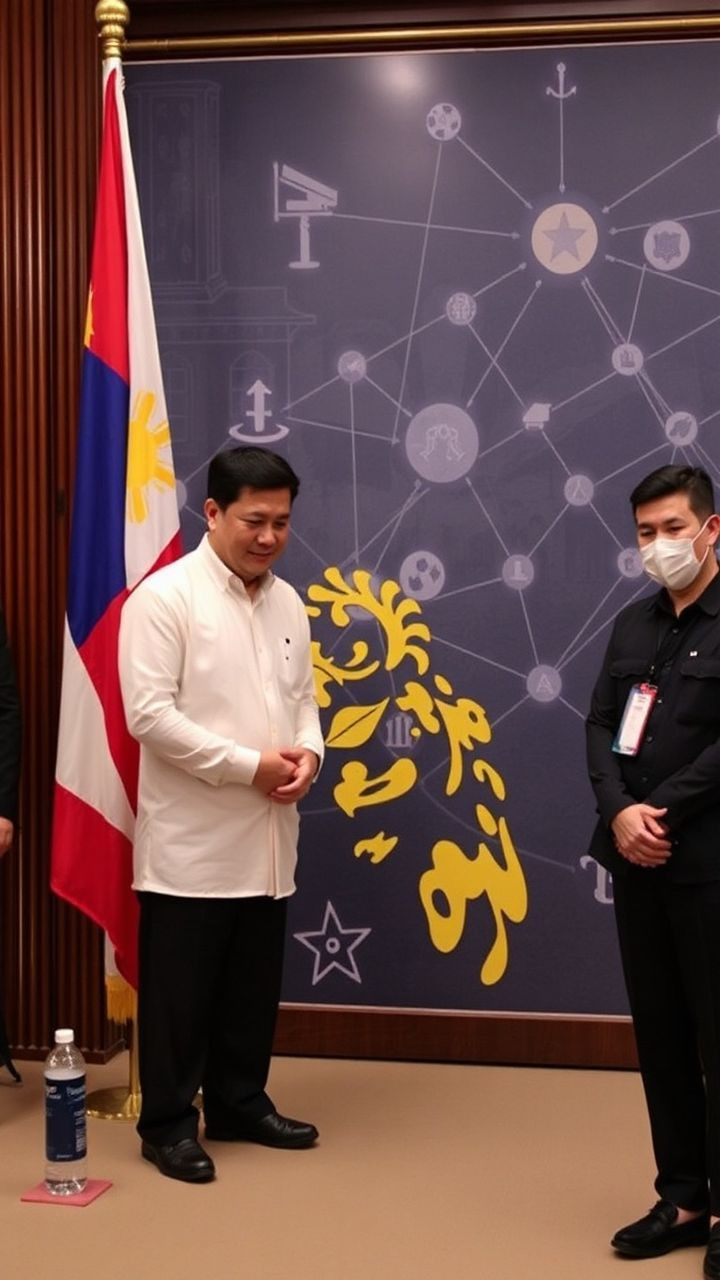
Title Marcos Jr.'s Green Light Philippines' First National Digital Connectivity Master Plan Unveiled
In a significant milestone in the country's digital transformation journey, President Ferdinand Marcos Jr. has given his approval to the National Digital Connectivity Master Plan (NDCP), marking a major step forward in the government's efforts to deliver fast, secure, and inclusive digital connectivity nationwide.
The Road to Success
The NDCP was the result of an extensive and deliberate consultative process, which began with regional consultations in early 2024. The plan was refined through successive sectoral discussions, interagency technical working groups, and technical board presentations. This thorough approach ensured that diverse perspectives were taken into account, making the plan a comprehensive and inclusive blueprint for digital connectivity.
A Visionary Plan
The NDCP envisions a Digitally Connected Philippines, where connectivity is inclusive and transformative. The plan aims to achieve this vision by focusing on four strategic pillars
1. Strengthening governance and regulatory framework
2. Expanding universal access to ensure digital connectivity for all Filipinos
3. Intensifying infrastructure investment through public-private partnerships
4. Ensuring resilient, climate- and disaster-proof, and cyber-secured digital infrastructure
Ambitious Targets
The plan sets ambitious targets for 2028, including
Universal internet access for public schools, barangay halls, and health centers
A 30 to 50 percent reduction in internet costs
An increase in the nationwide average internet speed
Government's Commitment
The approval of NDCP underscores the government's commitment to bridging the digital divide, strengthening economic competitiveness, and ensuring that digital connectivity serves as a resilient backbone for inclusive growth and national development. According to PCO Acting Secretary Dave Gomez, We will intensify infrastructure investment by leveraging public-private partnerships to accelerate nationwide rollout and scale.
A Chance to Catch Up
The president noted that while the Philippines is playing catch-up with its ASEAN neighbors who have implemented similar plans a decade ago, technology has advanced significantly since then. With costs decreasing and speeds increasing, Marcos Jr. expressed confidence that the country will soon be at par in terms of connectivity, speed, and cost.
Conclusion
The approval of NDCP marks a significant step forward in the Philippines' digital transformation journey. By prioritizing digital connectivity, the government is poised to bridge the digital divide, drive economic growth, and ensure that all Filipinos have access to fast, secure, and inclusive digital services. As the plan unfolds, it will be exciting to see how the country's digital landscape evolves, and what opportunities arise for citizens, businesses, and organizations alike.
Key Takeaways
The National Digital Connectivity Master Plan (NDCP) has been approved by President Ferdinand Marcos Jr.
The NDCP aims to deliver fast, secure, and inclusive digital connectivity nationwide
The plan focuses on four strategic pillars governance, universal access, infrastructure investment, and cyber-security
The plan sets ambitious targets for 2028, including universal internet access and increased average internet speed
I made the following changes
Improved tone by using more formal language and avoiding colloquialisms.
Corrected grammar and punctuation errors.
Reformatted the text to improve readability and flow.
Added transitions between paragraphs to create a cohesive narrative.
Rephrased some sentences for clarity and concision.
* Changed the title to make it more descriptive and attention-grabbing.
Overall, I aimed to maintain the original meaning and content of the blog post while presenting it in a polished and professional manner.

Popular Tools
Recent Posts