.png)
 English

India top court denies bail to Muslim student activist
India top court denies bail to Muslim student activist
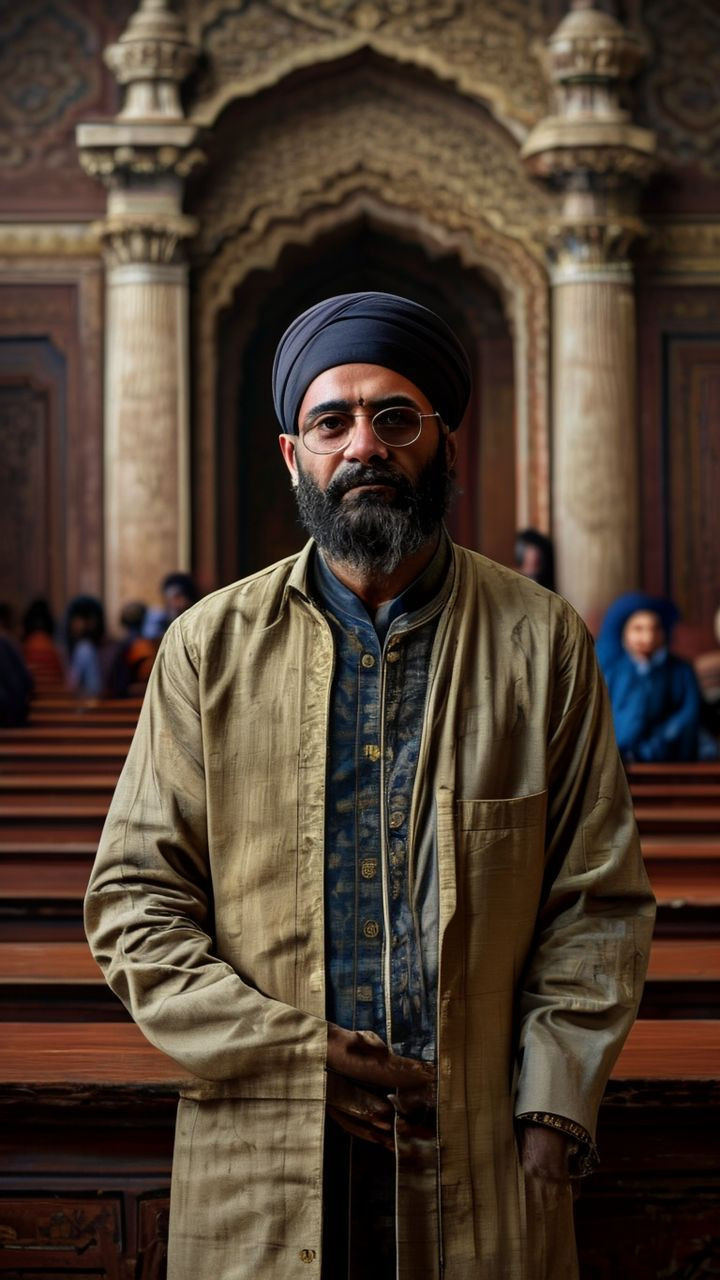
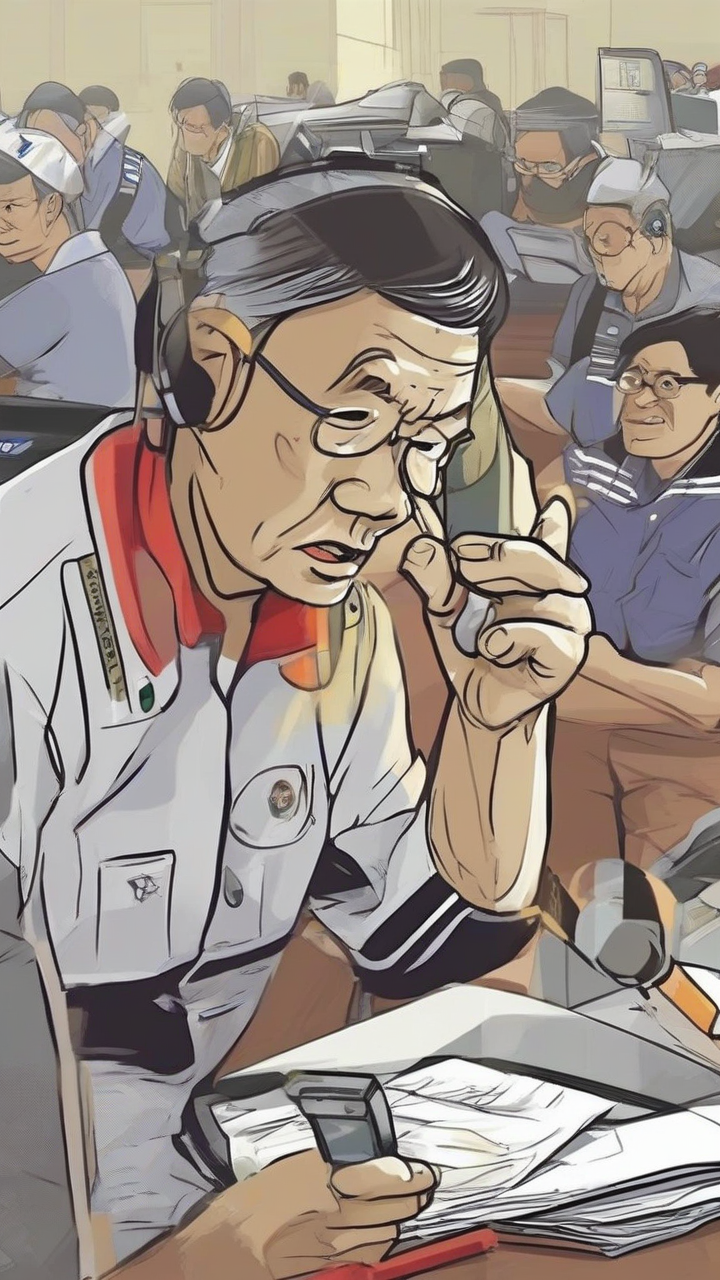
Supreme Court Denies Bail to Muslim Student Activist Umar Khalid A Blow to Justice and Human Rights in India
In a move that has sparked widespread outrage and concern about human rights in India, the Supreme Court has denied bail to Muslim student activist Umar Khalid. Khalid, who has been detained for over five years on charges of conspiracy to trigger deadly riots, will remain incarcerated despite his appeal for release.
Khalid's case has become a symbol of the alleged discriminatory treatment faced by Muslims in India. Arrested in September 2020 under the anti-terrorism law, he has remained in custody except for brief releases to attend family weddings. His prolonged incarceration has sparked concerns about the fairness and transparency of India's judicial system.
The Supreme Court's decision to deny Khalid bail cited prolonged incarceration as a reason not to grant his release. However, the court approved bail for five others in the same case, raising further questions about the disparity in treatment. Khalid, a former student at Delhi's Jawaharlal Nehru University, is charged with rioting with a deadly weapon, attempted murder, sedition, and causing enmity between different groups. He vehemently denies all charges, claiming that he was targeted for his activism and advocacy for Muslim rights.
The denial of bail has sparked widespread criticism from human rights organizations, including Amnesty International and six other groups, which have called for Khalid's release. His partner, Banojyotsna Lahiri, has lamented that Khalid became the victim of the injustice that he always fought against.
Significance
The denial of bail to Umar Khalid is significant not only for his personal case but also for the broader human rights situation in India. It highlights concerns about the treatment of Muslims and other minority groups, who often face discriminatory practices and biases. This decision has far-reaching implications for justice, equality, and human dignity in India, underscoring the need for accountability, transparency, and fair trial processes to ensure that all individuals are treated with dignity and respect under the law.
Marginalia
The case of Umar Khalid raises questions about the fairness and effectiveness of India's anti-terrorism laws.
The denial of bail highlights concerns about the treatment of Muslims and other minority groups in India, highlighting a need for greater transparency and accountability.
The decision has sparked widespread criticism from human rights organizations, emphasizing the importance of upholding human rights principles.
Keywords* Umar Khalid, Muslim student activist, Supreme Court, bail, human rights, justice, equality.

Popular Tools
Recent Posts