.png)
 English

How SMEs can survive natural hazards
How SMEs can survive natural hazards
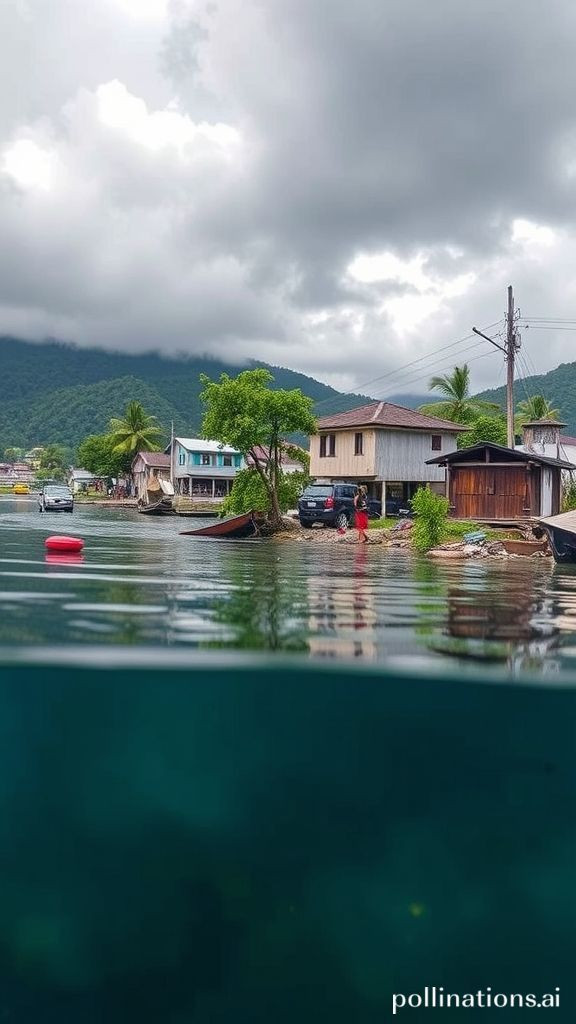
Title Surviving the Unpredictable The Evolution of How Small to Medium-Sized Enterprises Can Thrive Amidst Natural Hazards
The recent earthquake in Cebu has once again underscored the Philippines' precarious position as a country situated along the Pacific Ring of Fire, making it one of the most disaster-prone regions globally. For small and medium-sized enterprises (SMEs), natural hazards pose not only operational challenges but also a direct threat to their very survival.
With limited resources and tight margins, SMEs are particularly vulnerable to disruptions in supply chains, infrastructure, and economic stability. Building resilience is no longer a luxury; it's a necessity for businesses seeking to endure and thrive in the face of rising disaster risks.
Financial Protection Mechanisms
Access to financial protection is critical for building business resilience. However, insurance remains underutilized in the Philippines due to high premiums, limited awareness, and a lack of trust in providers. The Philippine Catastrophe Insurance Facility (PCIF) represents a positive step towards addressing some of these issues, but additional financial measures are needed.
The government can play a key role by offering subsidies or tax incentives to make disaster insurance more accessible, particularly for SMEs. Parametric insurance, which provides payouts based on triggers such as earthquake magnitude or rainfall levels, offers a faster and more efficient alternative to traditional insurance and warrants further exploration.
Preparation
Resilience begins with preparation. Businesses must conduct thorough risk assessments, develop mitigation plans, and create continuity strategies to resume operations after disasters. Government and private organizations can support SMEs through training on risk reduction and crisis management.
Early warning systems are also essential, providing timely information to help protect assets and employees. Strategic stockpiles of critical materials can ensure continuity during short-term shortages.
Infrastructure Resilience
Infrastructure resilience is crucial for maintaining business operations after disasters. Failures in roads, bridges, communications, and power often cause more disruption than direct damage. Enforcing disaster-resilient building codes, retrofitting older structures, and investing in flood control, earthquake-resistant highways, and resilient energy grids are critical.
Public-private partnerships can further accelerate these efforts, driving large-scale projects that benefit both businesses and communities.
Technology and Innovation
Technology is a key enabler of supply chain resilience, providing visibility to anticipate issues and adjust operations accordingly. Predictive analytics enable businesses to anticipate risks by utilizing tools such as weather data and seismic monitoring to identify potential vulnerabilities.
Blockchain enhances efficiency and transparency in insurance claims, while also strengthening supply chains by ensuring accountability and reducing fraud. The Covid-19 pandemic has highlighted the value of remote work infrastructure; investing in digital tools and cloud-based systems ensures continuity when physical offices are inaccessible.
Government Action
Government action is essential for building resilience. Tax incentives can encourage businesses to invest in disaster preparedness, while public-private partnerships can drive large-scale projects that benefit both businesses and communities. Strict zoning laws must limit development in high-risk areas, and education campaigns can promote awareness of resilience strategies.
Resilience is not just about infrastructure – it's also a mindset. Businesses must see preparedness as a necessary investment, not an optional expense. Collaborative efforts among businesses, local governments, and communities can enhance disaster readiness at the grassroots level, fostering a collective culture of resilience that helps mitigate risks and expedite recovery.
With collective action and strategic investments, the Philippines can transform its vulnerabilities into strengths, ensuring a safer future for its economy and business sector.
Keywords SMEs, natural hazards, earthquake, disaster risk management, financial protection, infrastructure resilience, technology, innovation, government action.

Popular Tools
Recent Posts