.png)
 English

Dealing with technical debt
Dealing with technical debt
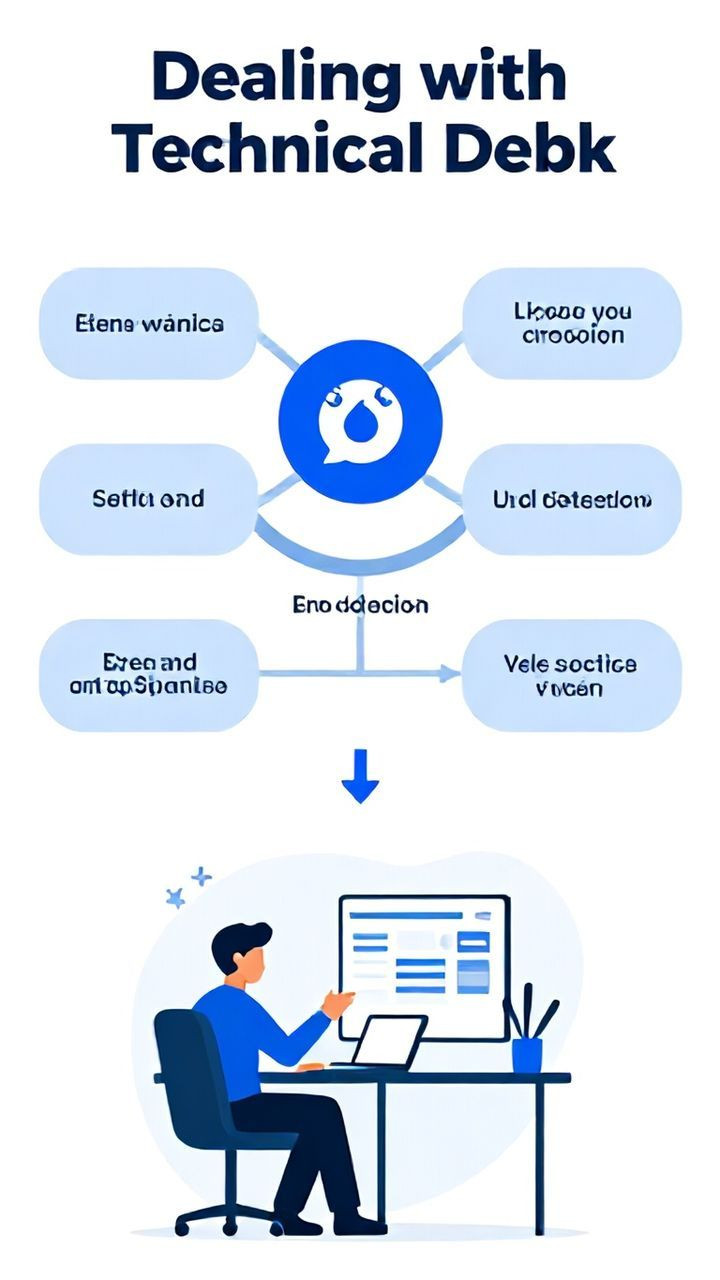
Dealing with Technical Debt A Guide for Space Engineers Professionals
As we embark on a new year, many professionals in the space engineering industry are left grappling with the consequences of technical debt. In this blog post, we'll delve into what technical debt is, how it affects our work, and most importantly, provide practical guidance on how to manage it effectively.
What is Technical Debt?
Technical debt is a concept borrowed from software engineering that refers to the cost of expedience. It's the deliberate choice to take a shortcut now to deliver a result, acknowledging that you'll need to invest time and resources later to stabilize the system. In our industry, technical debt manifests when we opt for workarounds, manual classification, and spreadsheets that become permanent infrastructure.
The Consequences of Unmanaged Technical Debt
When left unchecked, technical debt can have far-reaching consequences
• Rework Delayed or incomplete fixes inevitably lead to rework.
• Delays The longer you put off addressing technical debt, the more it will snowball into significant delays.
• Error Rate Manual processes and spreadsheets increase the risk of errors and misclassifications.
• Burnout Technical debt can lead to team burnout as they struggle to keep up with the consequences of their own shortcuts.
Managing Technical Debt 5 Essential Strategies
To effectively manage technical debt, follow these best practices
1. Track It Keep a record of your technical debt, including the cost and impact of each issue.
2. Prioritize Prioritize fixes based on risk and business impact to ensure you're addressing the most critical issues first.
3. Automate Automate processes where possible to reduce manual intervention and errors.
4. Document Maintain clear documentation to facilitate knowledge sharing and scalability.
5. Review and Validate Regularly review and validate your work to catch errors early and prevent rework.
Conclusion
Technical debt is a natural byproduct of our industry's fast-paced environment. However, it's essential to acknowledge its existence and take proactive steps to manage its impact. By tracking, prioritizing, automating, documenting, and reviewing technical debt, we can reduce the risks associated with it and improve the efficiency of our work.
Summary
In this blog post, we've explored the concept of technical debt and its consequences in the space engineering industry. We've also outlined five essential strategies for managing technical debt effectively. Remember, treating technical debt like a real liability can help you avoid costly rework, delays, and errors. Start your new year by acknowledging the importance of technical debt management and taking steps to prioritize your team's well-being.
SEO Optimized Keywords
Technical debt
Space engineering industry
Software engineering
Workarounds
Manual classification
Spreadsheets
Rework
Delays
Error rate
Burnout
Automation
Documentation
* Review and validation

Popular Tools
Recent Posts