.png)
 English

Deadly Cebu landfill slide exposes gaps in waste oversight
Deadly Cebu landfill slide exposes gaps in waste oversight
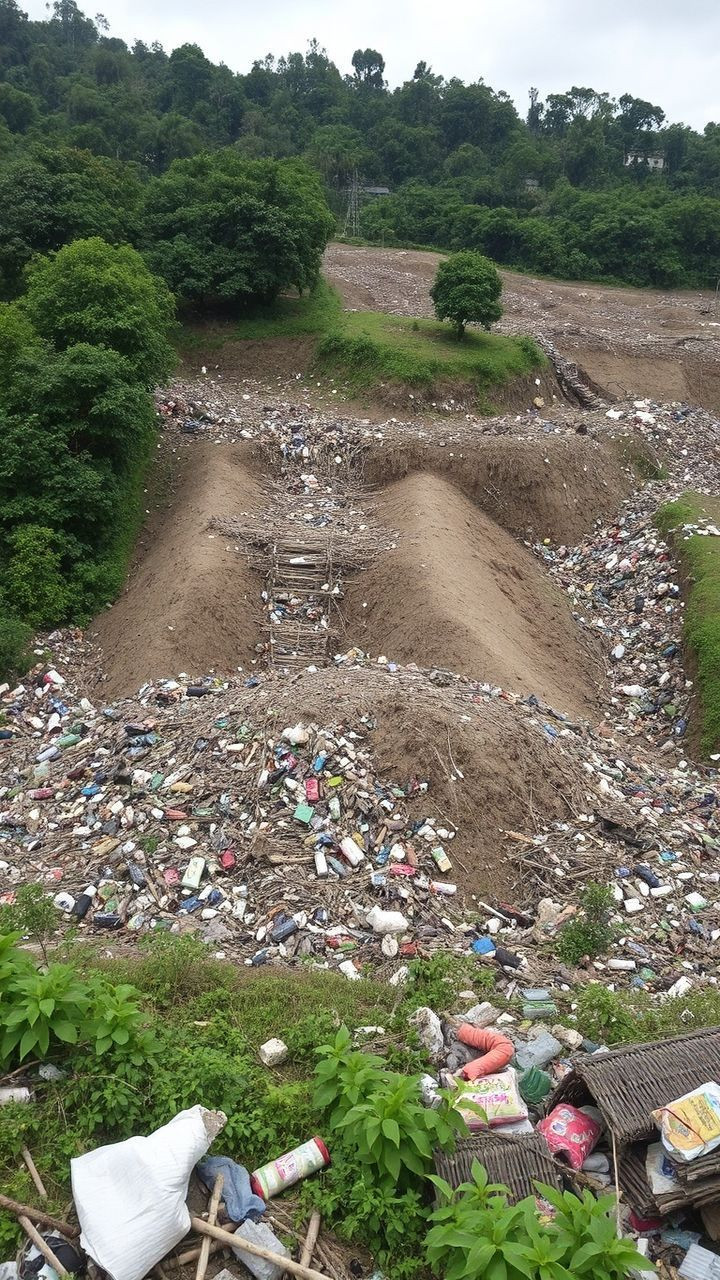
Deadly Cebu Landfill Slide A Wake-Up Call for Policy Makers
The recent landslide at Cebu City's Binaliw landfill, which claimed dozens of lives, serves as a stark reminder of the devastating consequences of inadequate waste management. As policy makers, it is essential to address the root causes of such disasters and implement effective measures to prevent similar tragedies from occurring in the future.
Q What caused the landslide at Cebu City's Binaliw landfill?
A The primary cause of the landslide was a combination of factors, including the excessive volume of waste dumped at the site, inadequate maintenance, and poor soil conditions. The Binaliw landfill has been operational since 2003, but it has struggled to cope with the rapid urbanization of Cebu City.
Q What immediate steps can policy makers take to prevent similar disasters?
A To prevent similar tragedies from occurring, policy makers can
Conduct thorough inspections and assessments of existing landfills to identify potential risks and hazards.
Develop and implement stricter regulations on waste management, including more stringent requirements for landfill design and operation.
Provide adequate funding and resources for local governments to upgrade their waste management infrastructure.
Q How can policy makers ensure that waste management facilities are designed and operated safely?
A Policy makers can ensure the safe design and operation of waste management facilities by
Requiring regular safety inspections and audits of waste management facilities.
Developing and implementing strict guidelines for the design and operation of waste management facilities, including requirements for emergency preparedness and response plans.
Providing adequate training and resources for facility operators to ensure they have the necessary skills and knowledge to manage waste safely.
Q What role do fiduciary responsibilities play in ensuring the safe operation of waste management facilities?
A Fiduciary responsibilities are crucial in ensuring the safe operation of waste management facilities. Government agencies, as custodians of public funds, have a fiduciary duty to ensure that waste management facilities prioritize safety and minimize risks.
Q How can policy makers balance the need to protect public health and safety with the economic and social implications of waste management?
A Policy makers can strike a balance between protecting public health and safety and addressing economic and social concerns by
Conducting thorough cost-benefit analyses of different waste management options.
Engaging in stakeholder consultations to ensure that all perspectives are taken into account.
Developing policies that prioritize sustainability, equity, and environmental protection.
Q What can be done to prevent similar disasters from occurring in the future?
A To prevent similar tragedies from occurring in the future, policy makers can
Develop and implement more stringent regulations on waste management, including requirements for emergency preparedness and response plans.
Provide adequate funding and resources for local governments to upgrade their waste management infrastructure.
Conduct regular safety inspections and audits of waste management facilities.
In conclusion, the deadly landslide at Cebu City's Binaliw landfill serves as a wake-up call for policy makers to take immediate action to prevent similar disasters from occurring in the future. By conducting thorough assessments, developing and implementing strict regulations, and providing adequate funding and resources, policy makers can ensure that waste management facilities are designed and operated safely, protecting public health and safety while balancing economic and social considerations.
Keywords Waste management, landfill slide, Cebu City, Binaliw landfill, policy making, fiduciary responsibilities, public health, safety.

Popular Tools
Recent Posts