.png)
 English

China bans Japanese seafood imports over row on Taiwan
China bans Japanese seafood imports over row on Taiwan
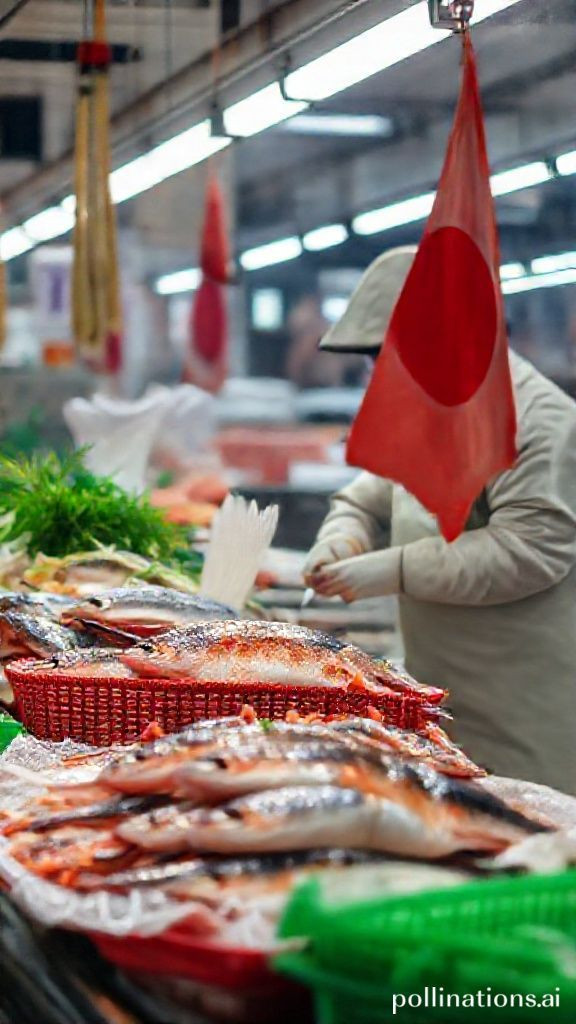
The Great Divide How China's Ban on Japanese Seafood Imports Exacerbates Regional Tensions
Introduction
A sudden and significant development in the global seafood industry has sent shockwaves through diplomatic circles. China has announced a ban on imports of Japanese seafood products, a move that stems from an escalating dispute between the two nations sparked by Japan's new prime minister's remarks on Taiwan. This article delves into the details of this controversy and explores its far-reaching consequences for both countries.
The Backstory A Diplomatic Dispute with Far-Reaching Consequences
Tensions between China and Japan escalated when Japanese Prime Minister Sanae Takaichi made a statement suggesting that a Chinese attack on Taiwan could trigger a military response from Japan. This remark was met with outrage in Beijing, which demanded that Takaichi retract her comments and urged its citizens not to travel to Japan.
The Economic Fallout A Blow to the Economy
As a result of this diplomatic row, China has imposed a ban on imports of Japanese seafood products. This move will have significant economic implications for both countries. For Japan, the loss of its largest market for scallops and sea cucumbers will be a major blow to its economy, particularly given the country's seafood industry is still recovering from the aftermath of the Fukushima nuclear disaster.
The Human Cost A Travel Boycott with Devastating Consequences
But it's not just the economy that will feel the impact. China's travel boycott will also have devastating consequences for Japan's tourism industry. Visitors from mainland China and Hong Kong account for around 20% of all arrivals in Japan, and with over 10 Chinese airlines offering refunds on Japan-bound routes until December 31, the effects are already being felt.
The Cultural Fallout A Slew of Cancelled Events and Performances
The fallout from this diplomatic dispute is not limited to just economic and tourism-related consequences. The cultural sector has also been impacted, with events and performances cancelled or postponed. Japanese comedians, bands, and artists have all fallen victim to the travel boycott, with screenings of upcoming Japanese films in China suspended and a Japanese boy band forced to cancel a fan event.
Finding Opportunity Amidst Chaos
As the dust settles on this diplomatic dispute, it's clear that there will be significant consequences for both countries. However, amidst the chaos, there may also be opportunities for growth and development. As Japan looks to diversify its seafood exports and China seeks to strengthen its tourism industry, there are chances for innovation and cooperation.
Conclusion
The ban on Japanese seafood imports by China is a significant escalation of tensions between the two nations. As we navigate this complex situation, it's essential that we prioritize diplomacy, cooperation, and mutual understanding. By finding serendipity amidst chaos, we can turn this crisis into an opportunity for growth and development.
Keywords Japan-China relations, seafood imports, diplomatic dispute, travel boycott, cultural fallout, serendipity

Popular Tools
Recent Posts