.png)
 English

Japan allows joint child custody after divorce
Japan allows joint child custody after divorce
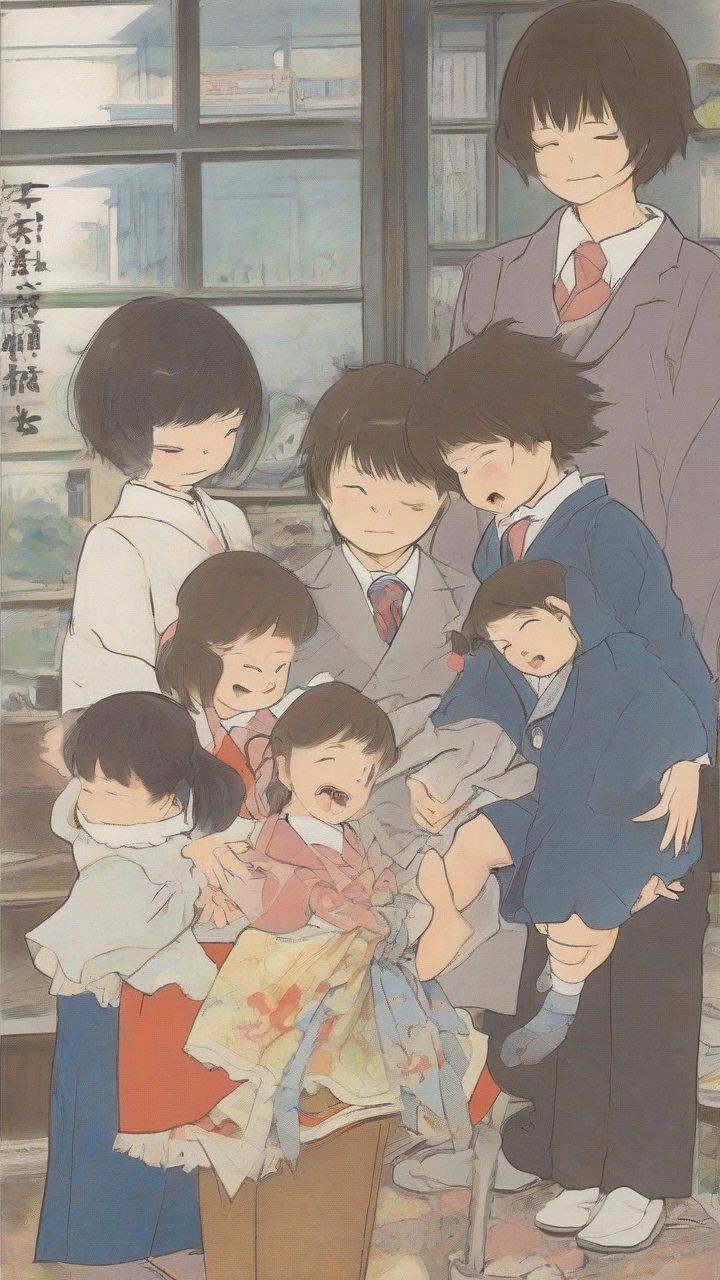
A New Era of Parenting Japan's Shift towards Joint Child Custody after Divorce
As of Wednesday, divorcing parents in Japan can now opt for joint child custody, marking a significant shift away from the country's previous sole custody system. This change has far-reaching implications for families and society as a whole.
The Legacy of Sole Custody A Recipe for Conflict
For decades, Japan's sole custody system granted parental authority to one parent, often the mother, following divorce. While intended to protect domestic abuse survivors, this approach had unintended consequences, including incentivizing one party to take away their child and establish themselves as the resident parent first.
The Evolution of Japanese Family Law Joint Child Custody
Under revised laws, parents can now discuss the terms of custody when divorcing. Couples can choose sole custody if they agree it is the best option. In cases where they disagree, family courts will intervene to make decisions for them, designating sole custody in instances of domestic violence.
A Personal Perspective Takeshi Hirano's Experience
Takeshi Hirano, a 49-year-old lawyer, has firsthand experience navigating Japan's old system. In 2018, he discovered that his wife had disappeared with their two daughters, leaving him without access to their children. He welcomes the new legal framework as a huge step forward, highlighting that under the previous system, the parent-child relationship could easily be severed once a couple separated or divorced.
Countervailing Concerns Balancing Parental Involvement and Protection
While some critics argue that joint custody may re-traumatize domestic violence survivors by forcing them to remain in close contact with former partners, proponents believe that the revised laws will ultimately benefit children. The legal revision is based on the idea that both parents being involved in child-rearing, even after divorce, is in the best interest of children.
Moving Forward Navigating the Challenges
As Japan continues to evolve its approach to family law, it will be essential to balance the needs of parents with the need to protect survivors of domestic violence. While some concerns and controversies remain, this change has the potential to promote greater parental involvement and improved outcomes for children.
Conclusion
Japan's shift towards joint child custody after divorce marks a significant departure from its previous system. As society continues to evolve, it will be crucial to strike a balance between promoting parental involvement and protecting survivors of domestic violence. The revised laws have the potential to benefit families and children, and it will be essential to monitor their impact in the coming years.
Keywords Joint child custody, divorce, parenting, Japan, domestic abuse

Popular Tools
Recent Posts