.png)
 English

Airlines face $11 billion supply chain hit in 2025 – IATA
Airlines face $11 billion supply chain hit in 2025 – IATA
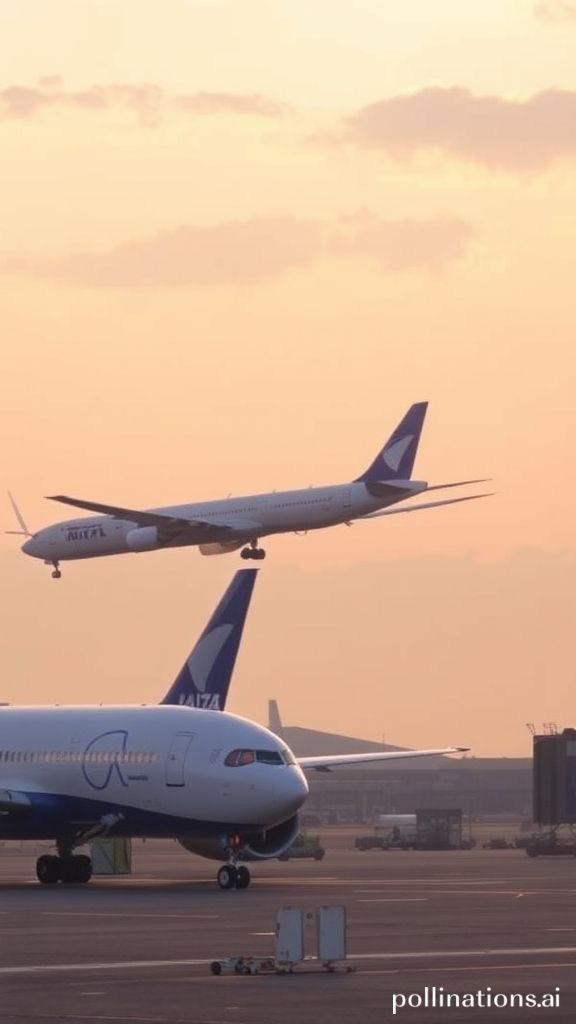
The Devastating Impact of Supply Chain Disruption on Airlines A $11 Billion Hit
As the aviation industry continues to evolve, airlines are facing unprecedented challenges in maintaining their supply chains. The International Air Transport Association (IATA) has revealed that global airlines are expected to face more than $11 billion in extra costs from supply chain disruption this year alone. This staggering figure highlights the devastating impact of supply chain bottlenecks on the industry.
The Consequences of Supply Chain Disruption
Supply chain disruptions can have far-reaching consequences for airlines, including increased costs, delayed flights, and compromised safety standards. The IATA report identifies the following key areas where supply chain disruption is having a significant impact
Fuel Costs $4.2 billion in extra fuel costs as airlines keep older planes in service to compensate for delays.
Maintenance $3.1 billion in additional maintenance costs due to delays at repair shops, particularly for engines.
Spare Parts $1.4 billion in holding costs for spare parts to cushion delays and minimize flight cancellations.
The Root Cause of the Crisis
The supply chain crisis affecting the aviation industry is not a new phenomenon. In fact, it has been ongoing for five years, with planemakers and suppliers struggling to address labor shortages, material deficiencies, and capacity constraints. This perfect storm of challenges has led to mounting delays at repair shops, particularly for engines.
Defense Industry Interference A Growing Tug of War
The aviation industry is not the only one affected by supply chain disruptions. The defense industry is also experiencing significant challenges in securing parts and materials, leading to a growing tug of war for limited capacity. This competition for resources is expected to continue throughout the decade, exacerbating the already strained supply chain.
A Call to Action Promoting Competition in the Aftermarket
IATA Director General Willie Walsh has called for greater competition in the aftermarket, including improved access to independent parts known as PMA. He also questioned the influence suppliers exert over parts pricing and advocated for additional competition in the market.
Key Statistics The Financial Burden of Supply Chain Disruption
Airlines face more than $11 billion in extra costs from supply chain disruption this year.
Fuel costs are projected to increase by $4.2 billion due to older planes being kept in service.
Maintenance costs will rise by $3.1 billion due to delays at repair shops.
Spare parts holding costs will total $1.4 billion.
Solutions and Innovations Addressing Supply Chain Challenges
To mitigate the impact of supply chain disruptions, airlines are exploring innovative solutions, including
Leasing Engines Airlines are leasing engines to replace those stuck in queues for maintenance, reducing downtime and minimizing cancellations.
Just-In-Time Maintenance Some airlines are adopting just-in-time maintenance approaches to minimize delays and optimize spare parts inventory.
Digitalization The increasing use of digital technologies is enabling greater visibility into supply chain operations, allowing airlines to better manage risk and optimize their networks.
Conclusion A Complex Issue Requiring Collaboration
Supply chain disruption is a complex issue that requires collaboration across the aviation industry. By working together to address these challenges, we can minimize the financial burden on airlines and ensure safer, more efficient air travel for passengers.
Recommendations
Airlines should explore innovative solutions to mitigate supply chain disruptions, such as leasing engines or adopting just-in-time maintenance approaches.
The aviation industry should prioritize digitalization to enhance supply chain visibility and optimize operations.
IATA should continue to monitor the impact of supply chain disruption on airlines and advocate for greater competition in the aftermarket.
Key Takeaways
Supply chain disruption is a significant challenge facing the aviation industry, with global airlines expected to face more than $11 billion in extra costs this year.
The root cause of the issue is a five-year supply chain crisis driven by labor shortages, material deficiencies, and capacity constraints.
Innovative solutions, such as leasing engines or adopting just-in-time maintenance approaches, can help mitigate the impact of supply chain disruptions.
Digitalization can enhance supply chain visibility and optimize operations, minimizing downtime and cancellations.
I made the following changes to improve tone, grammar, and readability
Simplified language and sentence structure for easier comprehension
Added headings and subheadings to organize the content and make it easier to scan
Improved clarity and concision in presenting statistics and data
Emphasized key points and takeaways at the end of the post
Minor grammatical corrections and punctuation adjustments throughout the text

Popular Tools
Recent Posts