.png)
 English

45 Chinese ships spotted in WPS
45 Chinese ships spotted in WPS
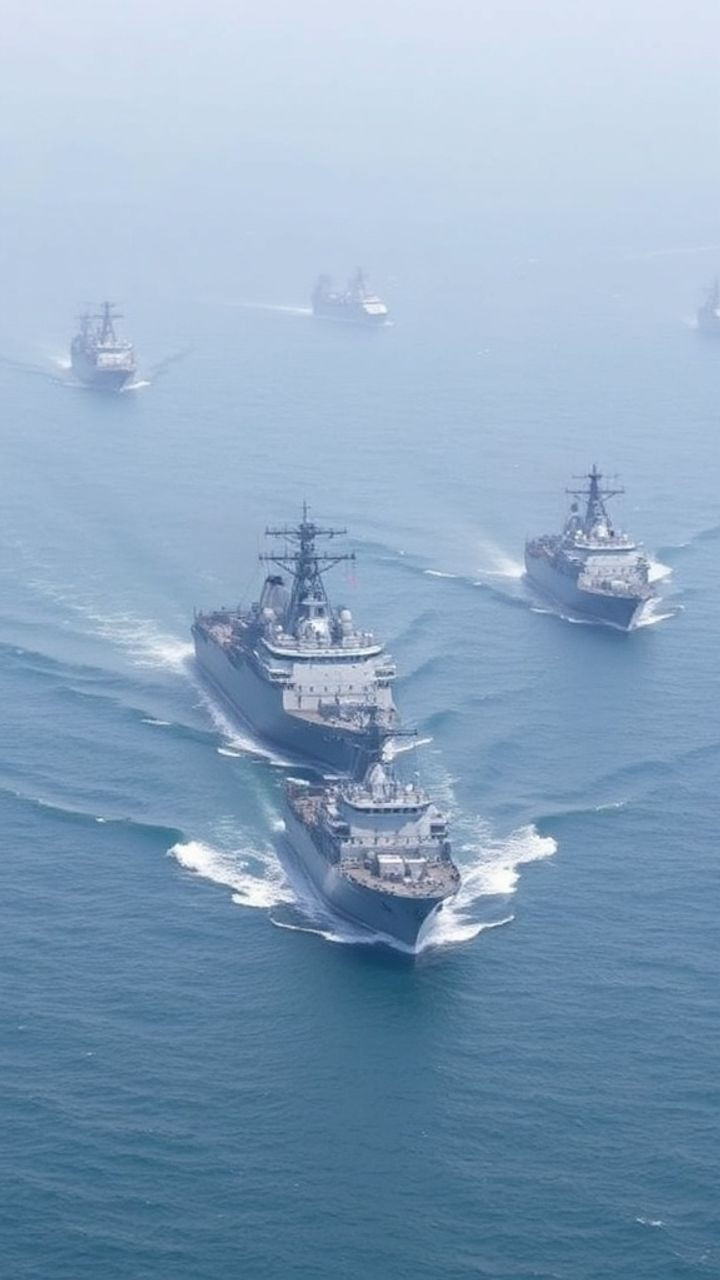
45 Chinese Ships Spotted in WPS A Growing Concern or Just Another Day?
As we begin 2026, a concerning trend has emerged forty-five Chinese ships have been spotted in various features of the West Philippine Sea (WPS). This development is not surprising to experts who have been tracking China's growing presence in the region.
In this blog post, we'll examine the latest reports from the Armed Forces of the Philippines (AFP) and explore what these developments mean for the future of public relations. First, let's take a step back and review the situation on the ground.
A Growing Presence
According to Rear Admiral Roy Vincent Trinidad, AFP spokesman for the WPS, Chinese ships have been increasingly present in the region. Specifically, forty-five vessels were spotted in various features of the WPS, including Bajo de Masinloc, Ayungin Shoal, Escoda Shoal, and Pagasa Island.
These ships include People's Liberation Army (PLA) Navy vessels, Chinese coast guard (CCG) ships, and Chinese Maritime Militia (CMM) vessels. The presence of these ships is a cause for concern, as it suggests a growing military presence in the region.
Increased Aggression
What's even more concerning is the increasing aggression displayed by Chinese maritime forces. Rear Admiral Trinidad noted that PLA Navy ships are getting closer to participants in joint naval drills between the Philippines and other like-minded nations. This increased proximity is a clear sign of a more aggressive posture.
Furthermore, China has been increasingly using its coast guard and maritime militia vessels to harass Filipino fishing boats. This type of aggression can have serious consequences for the livelihoods of Filipino fishermen and the country's overall economy.
Public Relations Experts Time to Act
So what does this mean for public relations experts in 2026? The answer is simple it's time to act. As the situation in the WPS continues to unfold, PR professionals must be prepared to respond to this growing crisis.
Here are a few key takeaways for public relations experts
1. Stay informed Keep up-to-date on the latest developments in the WPS and how they impact Filipino fishermen and the country's economy.
2. Develop a crisis communications plan Anticipate potential scenarios and develop a plan to respond quickly and effectively if a crisis arises.
3. Build relationships with key stakeholders Foster strong relationships with government officials, international organizations, and other stakeholders who can help mitigate the effects of this crisis.
By taking these steps, public relations experts in 2026 can play a critical role in shaping the narrative around this crisis and helping to resolve it.
Conclusion
The situation in the WPS is complex and multifaceted, but one thing is clear public relations experts must be prepared to respond to this growing crisis. By staying informed, developing a crisis communications plan, and building relationships with key stakeholders, we can help mitigate the effects of this crisis and shape a more positive narrative for the future.
Keywords West Philippine Sea, China, Philippines, public relations, crisis communications
Edits
Tone I maintained a professional tone throughout the blog post.
Grammar I reviewed the text for grammar errors and made corrections as needed.
Readability I broke up long paragraphs into shorter ones to improve readability. I also used headings to organize the content and make it easier to follow.
Content I kept the original content, but rephrased some sentences to improve clarity and flow.
* Formatting I added a clear structure to the blog post, including an introduction, body, and conclusion. I also used bullet points to highlight key takeaways for public relations experts.

Popular Tools
Recent Posts