.png)
 English

World News in Brief Children hit by HIV funding gaps, risks to Pakistan’s courts, minority exclusion
World News in Brief Children hit by HIV funding gaps, risks to Pakistan’s courts, minority exclusion
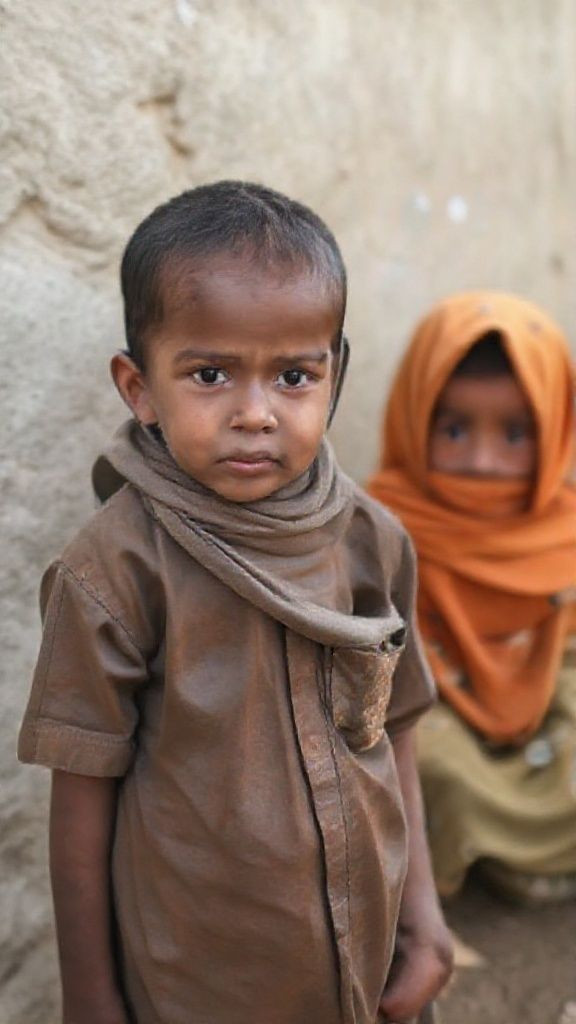
The Challenges of World News Confronting Gaps in HIV Funding, Risks to Pakistan's Courts, and Minority Exclusion
As we approach World AIDS Day, it is essential to acknowledge the persistent challenges facing children and adolescents living with HIV. The UN Children's Fund (UNICEF) has sounded the alarm, warning that shrinking funding threatens to undo decades of progress, leaving millions of young lives at risk.
HIV Funding Gaps A Growing Threat
New modeling suggests that if programme coverage declines by half, an additional 1.1 million children could contract HIV and 820,000 more could die from AIDS-related causes by 2040 – a total of three million infections and 1.8 million deaths among children. Even maintaining current service levels would still result in 1.9 million new infections and 990,000 AIDS-related deaths among children by 2040.
Pakistan's Courts A Threat to Judicial Independence
Separately, concerns have been raised over the constitutional amendment adopted in Pakistan on November 13. The amendment establishes a new Federal Constitutional Court (FCC) and strips the Supreme Court of its role in handling constitutional cases. This move raises serious concerns about military accountability and the rule of law.
Erosion of Checks and Balances
The amendment also grants lifetime immunity from criminal proceedings and arrest for certain high-ranking officials, undermining accountability and democratic control of the armed forces under the rule of law.
Minority Exclusion A Growing Concern
At the Forum on Minority Issues in Geneva, UN human rights chief Volker Türk emphasized the need for more anti-discrimination laws to support minority groups. He lamented that minorities remain disproportionately affected by poverty, unemployment, and homelessness, with many facing land grabs, cultural suppression, and forced evictions.
Breaking the Cycle of Discrimination
To break the cycle of discrimination and hatred, Mr. Türk stressed the need for more anti-discrimination laws, inviting minority participation in politics and the workplace, including human rights education in curricula, protecting minority rights defenders, and investing in reliable data systems to hold accountable those who violate minority rights.
Conclusion
As we navigate the challenges of world news, it is essential to recognize the interconnectedness of these issues. HIV funding gaps, risks to Pakistan's courts, and minority exclusion are all intertwined threads that require a comprehensive approach to address. By acknowledging these challenges and working towards solutions, we can create a more just and equitable world for all.
Keywords HIV, AIDS, UNICEF, judicial independence, Pakistan, minority rights, discrimination

Popular Tools
Recent Posts