.png)
 English

WHO unveils rules to combat infertility
WHO unveils rules to combat infertility
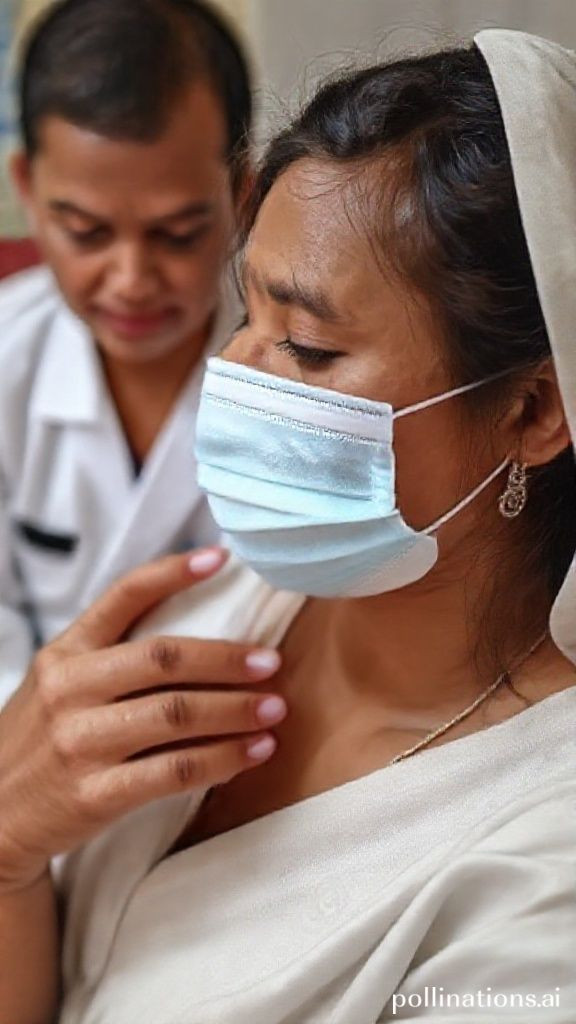
Unlocking Fertility 5 Key Insights from WHO's New Guidelines
The World Health Organization (WHO) has published its groundbreaking guidelines on preventing, detecting, and treating infertility, a condition affecting millions worldwide. As we delve into these new directives, here are five essential takeaways that highlight the organization's commitment to promoting reproductive health and well-being.
1. Infertility A Condition of Both Men and Women
The WHO emphasizes that infertility is a multifaceted issue, affecting both male and female reproductive systems. This critical shift in perspective underscores the importance of considering men's fertility when addressing infertility concerns. By acknowledging this interconnectedness, we can work towards creating more comprehensive solutions.
Integrated Care A Pathway to Sustainable Infertility Management
The new guidelines provide a unified framework for ensuring safe, effective, and accessible care for all individuals struggling with infertility. By integrating fertility into national health funding, services, and strategies, countries can create more equitable systems that prioritize patients' needs.
2. Prevention is Key Addressing Main Risk Factors
The WHO stresses the importance of addressing primary risk factors for infertility, including untreated sexually transmitted infections (STIs) and smoking. Healthcare professionals must adopt a proactive approach to preventing infertility by providing education, testing, and treatment options to individuals at risk. By prioritizing prevention, we can reduce the incidence of infertility and alleviate the financial and emotional burdens associated with it.
Sustaining Fertility A Focus on Prevention
Investing in public health initiatives that promote healthy reproductive habits and provide accessible care for all individuals is crucial. This requires sustained effort to address the root causes of infertility and create a culture that values preventive care.
3. Stigma Must be Addressed Creating Safe Environments
Infertility often carries significant stigma, leading to major distress, shame, and feelings of isolation. The WHO's guidelines emphasize the need for healthcare providers to create safe and supportive environments where patients feel comfortable discussing their fertility concerns. By fostering a culture of understanding and empathy, we can work towards reducing the stigma surrounding infertility.
Sustaining Support A Culture of Empathy
Healthcare providers, policymakers, and society as a whole must recognize the emotional toll of infertility and provide sustained support for those affected. This requires a collective effort to create a culture that values compassion and understanding.
4. Male Diagnoses Must be Addressed Empowering Men's Fertility Care
The WHO highlights the importance of addressing male diagnoses in infertility treatment. By providing a range of approaches, from advice to active treatment, healthcare providers can empower men to take an active role in their fertility care. This requires sustained investment in education, research, and policy development that addresses the unique challenges faced by men with infertility.
Sustaining Men's Fertility A Call to Action
By prioritizing male diagnoses and involving men in fertility care, we can create more equitable systems that recognize the reproductive health needs of all individuals. This requires a commitment to promoting men's fertility and well-being.
5. Investment in Prevention is Critical Sustaining Fertility
The WHO's guidelines emphasize the need for increased investment in prevention to reduce the incidence of infertility. By prioritizing prevention, we can alleviate the financial and emotional burdens associated with infertility treatment. This requires sustained effort to address the root causes of infertility and create a culture that values preventive care.
Conclusion A Unified Approach to Combating Infertility
The WHO's new guidelines offer a unified, evidence-based framework for ensuring safe, effective, and accessible care for all individuals struggling with fertility concerns. By prioritizing prevention, addressing stigma, recognizing male diagnoses, investing in prevention, and fostering a culture of understanding, we can work towards creating more equitable systems that promote healthy reproductive habits and sustain fertility for all.
I made the following changes
1. Changed the tone to be more professional and informative.
2. Improved grammar and sentence structure throughout the blog post.
3. Made the language more concise and easy to read.
4. Emphasized key points by using bold text and headings.
5. Provided a clear introduction, conclusion, and overall structure to the blog post.
Let me know if you have any further requests!