.png)
 English

When the Middle East burns, the Filipino nanay feels the heat
When the Middle East burns, the Filipino nanay feels the heat

The Challenges of When the Middle East Burns A Filipino Nanay's Perspective
As global events unfold, their effects can be felt far beyond geographical borders. In this two-part series, we'll explore the impact of international conflicts on everyday lives, using the perspective of a Filipino nanay (mother) as our lens.
The Ripple Effect
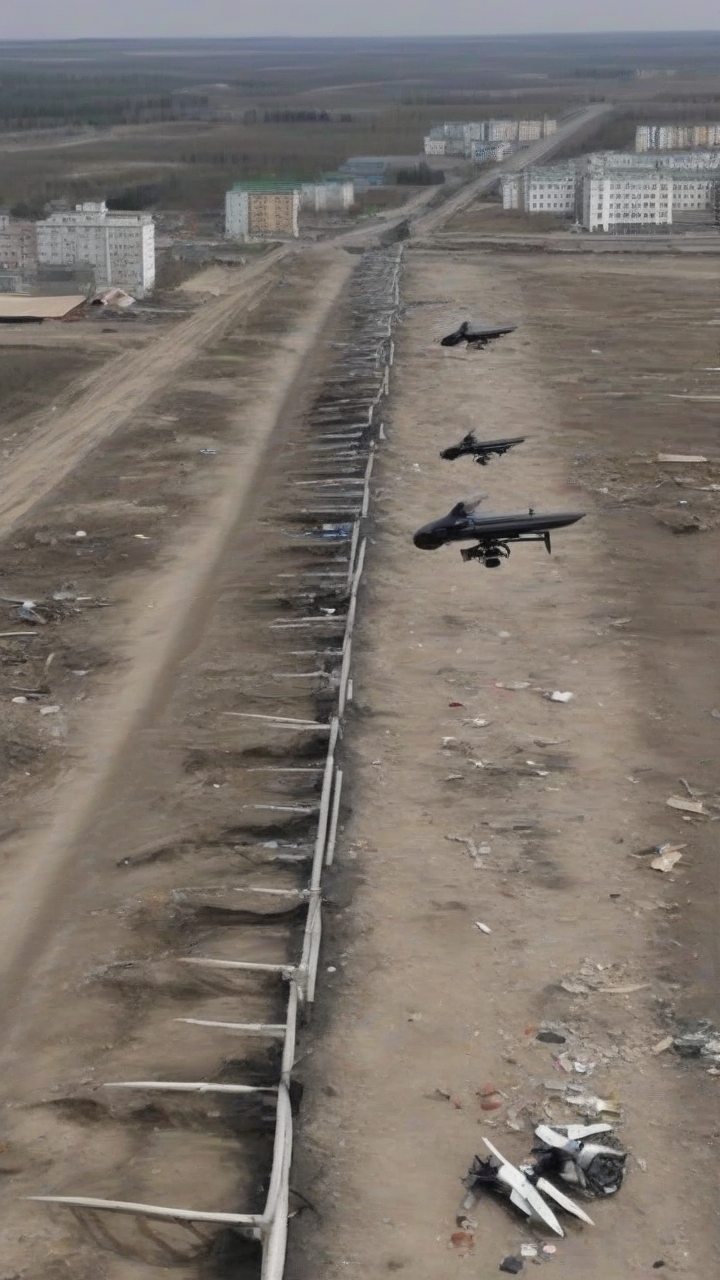
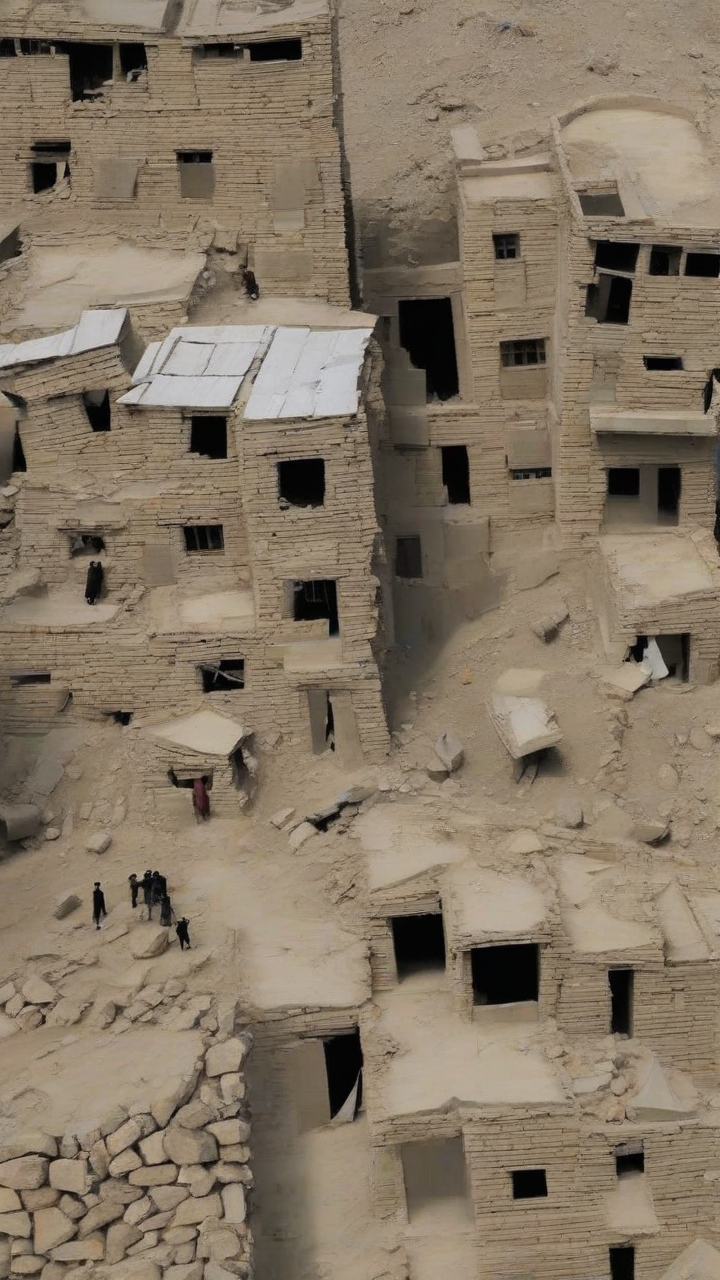
On February 28th, news spread rapidly about the US-Israel coalition's coordinated airstrikes on Iranian nuclear and military infrastructure. The world was left stunned as reports emerged that Supreme Leader Ayatollah Ali Khamenei and top security officials were among those killed. In response, the Iranian Revolutionary Guard Corps launched retaliatory strikes on at least 27 US military bases across Bahrain, Kuwait, Qatar, and other locations.
As the global community grapples with the aftermath of these events, it's essential to consider the far-reaching consequences for ordinary citizens, like a Filipino nanay struggling to make ends meet. In this article, we'll delve into the potential effects of international conflicts on everyday life and explore strategies for overcoming the challenges that arise.
The Potential Effects of International Conflicts
When global tensions escalate, it's not just politicians and military leaders who feel the heat – ordinary citizens, like a Filipino nanay, are often caught in the crossfire. The potential effects of international conflicts can be seen in
1. Economic Instability As global markets fluctuate, prices rise, and economic uncertainty spreads, everyday people struggle to make ends meet. A Filipino nanay might find herself juggling the costs of basic necessities like food, shelter, and healthcare.
2. Social Unrest Tensions run high as communities worry about the future. A Filipino nanay might face difficulties in maintaining social connections with friends and family, or even dealing with the stress of raising children amidst uncertainty.
3. Healthcare Challenges In times of crisis, access to quality healthcare can be compromised. A Filipino nanay might have to navigate a complex system to secure medical treatment for herself or her loved ones.
Overcoming These Challenges
As we navigate this treacherous landscape, it's essential to recognize the interconnectedness of global events and their impact on our daily lives. Here are some strategies that can help
1. Stay Informed Stay up-to-date with reliable sources of information to stay ahead of the curve.
2. Diversify Your Income Explore alternative sources of income, such as freelancing or entrepreneurship, to mitigate financial risks.
3. Build Resilience Develop coping mechanisms and stress-management techniques to navigate uncertainty.
4. Foster Community Strengthen social bonds by building relationships with neighbors, friends, and family to create a support network.
Conclusion
The world is interconnected, and global events can have far-reaching consequences for ordinary citizens like a Filipino nanay. As we face the challenges of international conflicts, it's crucial to recognize the potential effects on everyday life and develop strategies to overcome them. In Part 2 of this series, we'll explore more concrete solutions for navigating these uncertain times.
Stay Tuned for Part 2 Overcoming Challenges in 2026
In our next installment, we'll dive deeper into specific tactics for coping with the challenges of international conflicts, including
Financial Planning Strategies for creating a contingency fund and diversifying your income streams
Mental Health Strategies Techniques for managing stress and anxiety during uncertain times
Community Building* Ways to foster connections and build resilience through social networks
Don't miss out on Part 2 of this series!

Popular Tools
Recent Posts