.png)
 English

‘We're already living in science fiction’ The neurotech revolution
‘We're already living in science fiction’ The neurotech revolution
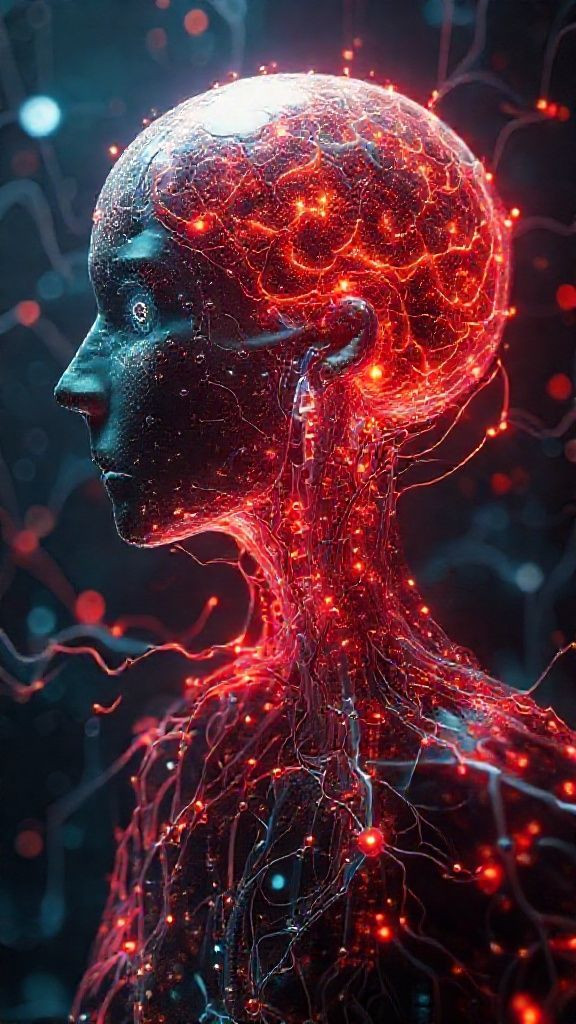
5 Key Takeaways from the Neurotech Revolution
The rapid advancement of neurotechnology has been a game-changer in recent years. This field, which involves developing electronic devices that can be implanted into the human nervous system, holds immense promise for medical breakthroughs. However, it also raises profound ethical concerns. As we explore the implications of this technology, five key lessons emerge.
Lesson 1 The Pace of Progress is Unprecedented
Neurotechnology has been advancing at an alarming rate, with researchers developing innovative devices that can be implanted into the human nervous system. This rapid progress not only holds promise for medical breakthroughs but also raises crucial ethical concerns.
Lesson 2 Awareness is Key to Understanding the Impact
According to Anne Vanhoestenberghe, a researcher at King's College London, People do not realize how much we're already living in science fiction. As neurotech becomes more effective at an incredible rate, it is essential to raise awareness about its impact. The general public remains largely unaware of what is already out there and changing lives.
Lesson 3 Ethics are Paramount
Experts are deeply concerned about the ethical implications of neurotechnology. With some companies aiming to use computers to improve cognitive abilities, the potential for misuse is a pressing concern. In response, the United Nations' agency for science and culture UNESCO has approved recommendations for regulating neurotechnology, emphasizing the importance of protecting privacy and ensuring that brain data is not misused.
Lesson 4 Regulation is Crucial for Safe Use
As neurotech becomes more widespread, regulation is essential to ensure its safe use. California has already set an important precedent by passing a law protecting the brain data of consumers. This move demonstrates the importance of establishing guidelines for the responsible development and deployment of neurotechnology.
Lesson 5 Designers Must Prioritize Ethics
Designers and professionals in the field must prioritize ethics when developing neurotech solutions. This includes ensuring that technology is designed with the user's best interests in mind, prioritizing user privacy, and addressing potential risks and concerns. By adhering to ethical principles, we can minimize the risks associated with neurotechnology and maximize its benefits.
By learning from these lessons, we can ensure that the neurotech revolution benefits humanity while minimizing its risks. It is essential that we approach this technology with a nuanced understanding of its implications and work towards responsible development and deployment.

Popular Tools
Recent Posts