.png)
 English

Unwrapping the fascinating evolution and global traditions of Christmas
Unwrapping the fascinating evolution and global traditions of Christmas

Here's the edited blog post
Unwrapping the Fascinating Evolution and Global Traditions of Christmas
As we approach the end of the year, many of us are eagerly anticipating the most wonderful time of the year – Christmas! This joyous holiday has undergone significant transformations over the centuries, with diverse traditions and customs that continue to captivate people around the world. In this blog post, we'll take a fascinating journey through the history, evolution, and global traditions of Christmas.
The Early Days A Christian Holiday
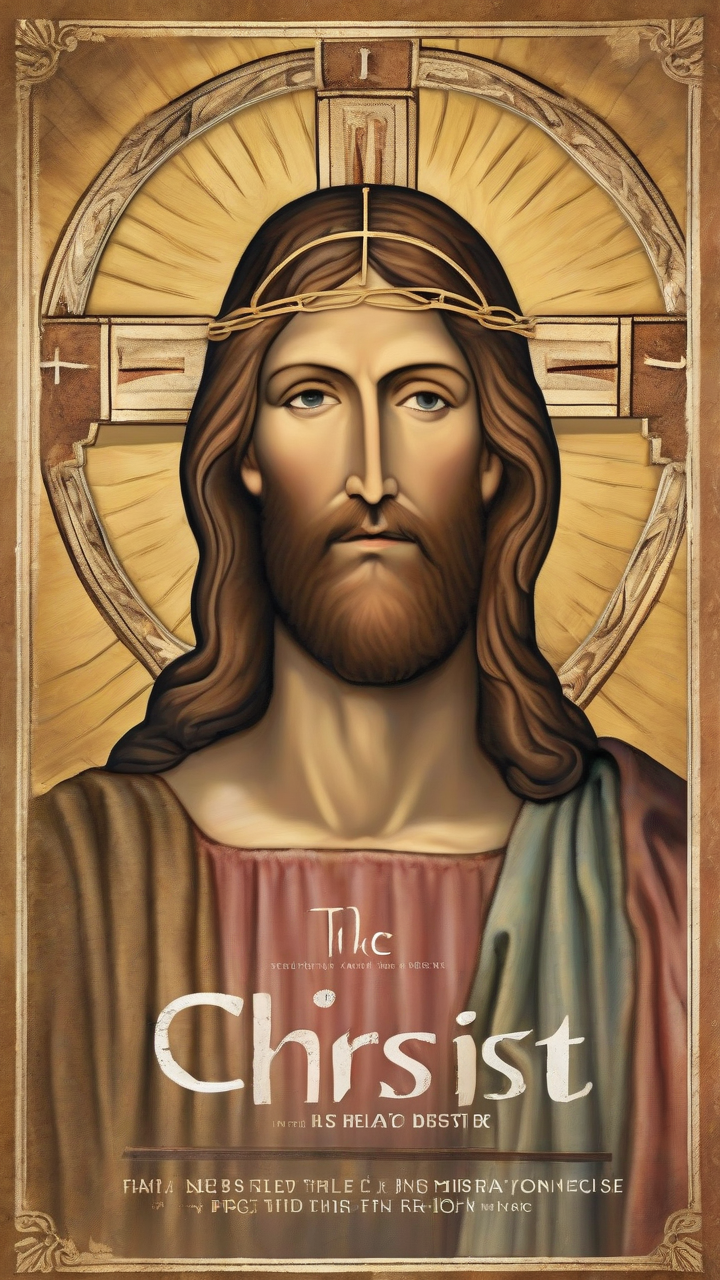
Christmas is a Christian holiday that commemorates the birth of Jesus Christ. Interestingly, the earliest followers of Jesus didn't annually commemorate his birth; instead, they focused on celebrating their faith in his resurrection at Easter. The story of Jesus' birth appears only in two of the four Gospels – Matthew and Luke – providing different details about his birthplace (Bethlehem). Unfortunately, the exact date, month, and year of Jesus' birth remain unknown.
The Emergence of December 25
It wasn't until the fourth century that Christmas began to be celebrated on December 25. This change coincides with Emperor Constantine's conversion to Christianity, which led to the establishment of churches as a central part of Christian worship. Some theories suggest that December 25 was chosen because it aligns with existing pagan winter solstice festivals.
Medieval Celebrations A Time for Feasting and Merriment
For centuries, especially during the Middle Ages, Christmas was associated with rowdy street celebrations of feasting and drinking. Many Christians didn't view Christmas as a respectable holiday, and some even banned its celebration altogether. It wasn't until the 19th century that Christmas became a more domesticated celebration centered around the home, family, children, gift-giving, and decorations.
The Roots of Modern-Day Christmas
The modern-day Christmas we know today has its roots in Germany. The late 19th-century tradition of decorating Christmas trees and exchanging gifts spread to Britain and America, revitalizing Christmas celebrations on both sides of the Atlantic. Charles Dickens' A Christmas Carol (1843) and Washington Irving's writings also played a significant role in popularizing Christmas.
Santa Claus A Saintly Inspiration
America's secular Santa Claus is inspired by St. Nicholas, a fourth-century Christian bishop from Myra (modern-day Turkey). His acts of kindness, such as saving sailors from storms and interceding on behalf of wrongly condemned prisoners, have become an integral part of the Santa legend.
Global Traditions A Delicious Twist
In Japan, Christmas is celebrated with a unique twist – eating Kentucky Fried Chicken (KFC) on December 25! This tradition began in 1974 when KFC launched a campaign to sell fried chicken with a bottle of wine for Christmas parties. The idea originated from an employee who overheard a foreign customer saying that since he couldn't get turkey in Japan, he'd have to celebrate Christmas with Kentucky Fried Chicken.
Timeless Takeaway Preserving Cultural Heritage
As we continue to evolve and adapt our traditions, it's essential to appreciate the rich history and diversity of Christmas celebrations worldwide. By preserving the essence of these customs while embracing their evolution, we can foster a deeper understanding of our shared human experiences. Whether you're exchanging gifts or enjoying KFC with friends and family, remember that Christmas is a time for connection, joy, and celebration.
Keywords Christmas, Jesus, St. Nicholas, Santa Claus, KFC, Japan, Germany, Britain, America

Popular Tools
Recent Posts