.png)
 English

Tuberculosis killed 1.23 million last year — WHO
Tuberculosis killed 1.23 million last year — WHO
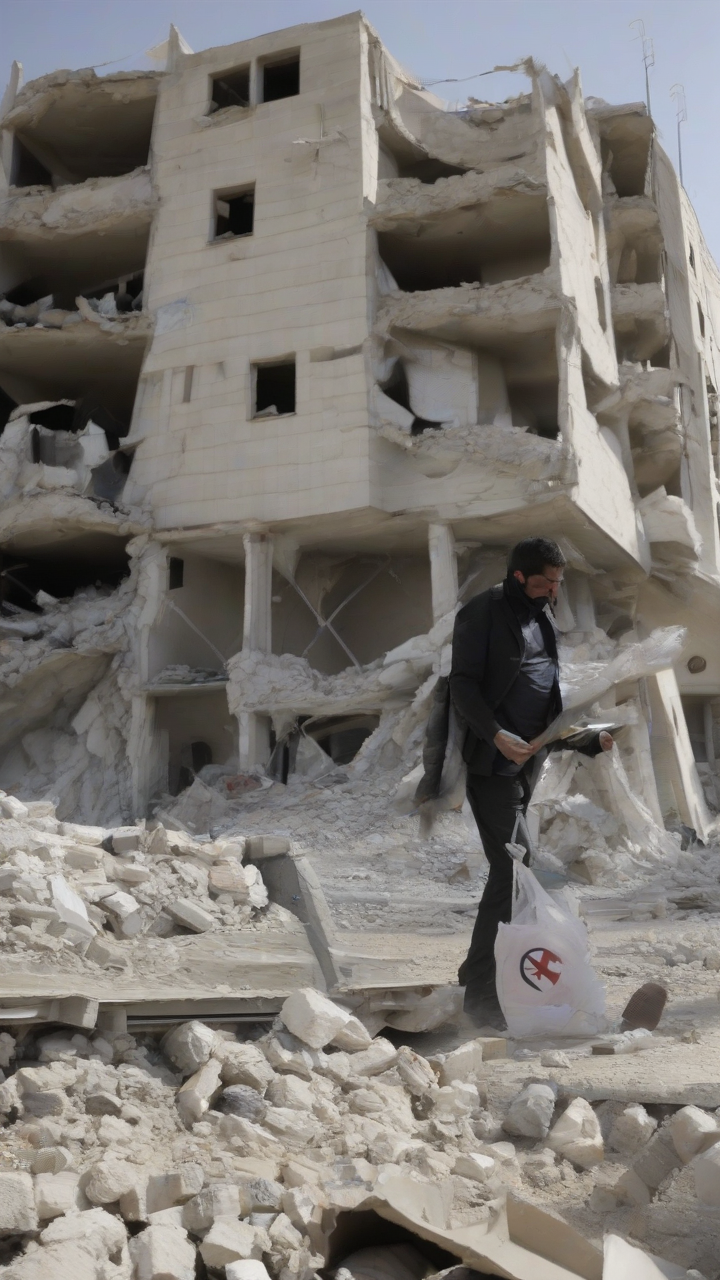
Tuberculosis (TB) is one of the oldest and deadliest diseases on earth, affecting millions each year. In 2024, more than ten million people became ill with TB, spreading rapidly through communities and impacting men, women, and children alike. This preventable and curatable disease claimed over a million lives, leaving countless families grieving the loss of loved ones.
Thankfully, the World Health Organization (WHO) is working tirelessly to fight this global epidemic. While progress has been made in reducing TB deaths by three percent and cases worldwide by nearly two percent last year, Covid-19 disruptions and ongoing funding cuts have made it a challenging battle.
The disease primarily affects the lungs, spreading through the air when people with TB cough, sneeze, or spit. It can be difficult to diagnose and treat, especially in resource-limited settings. However, new innovations are transforming how we fight TB. AI-powered tools can detect it faster and more accurately than ever before.
The burden of TB disproportionately affects some countries. In 2024, India had the highest number of cases, followed closely by Indonesia. Undernutrition, HIV infection, diabetes, smoking, and alcohol use disorders are among the top risk factors driving this epidemic.
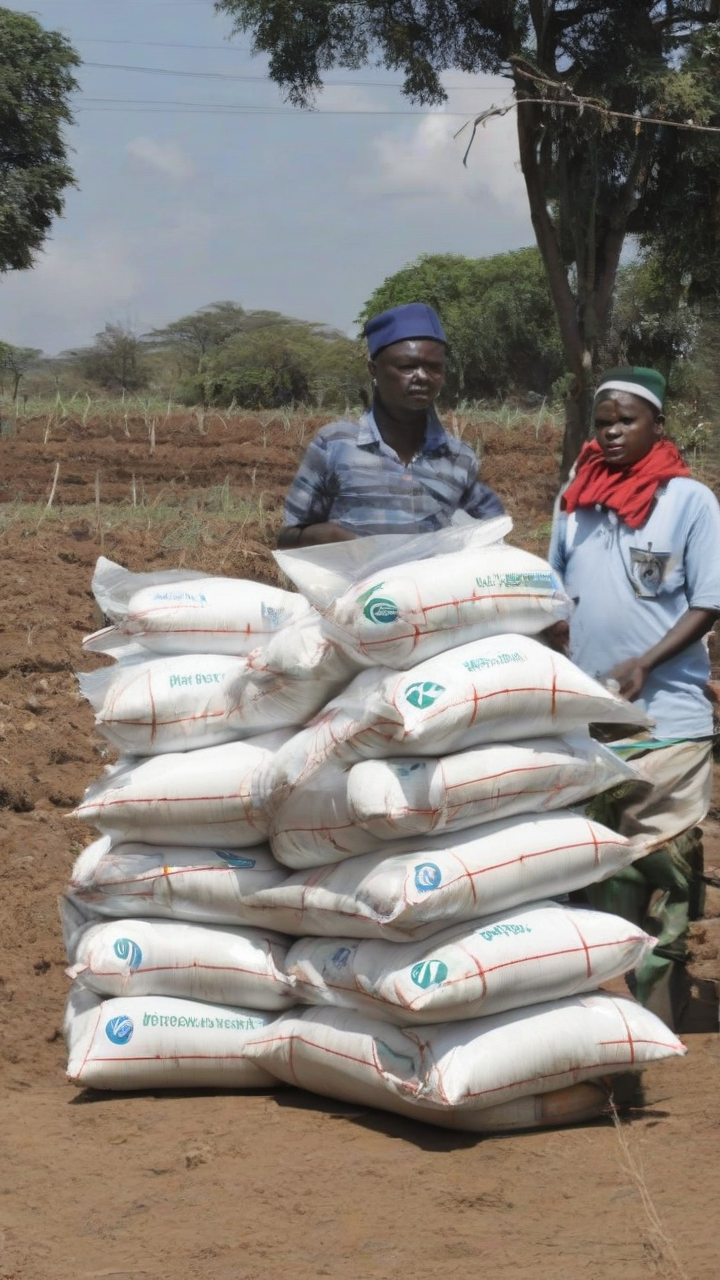
The WHO has saved millions of lives since 2000 by providing timely TB treatment. Last year, they reported a record high of 8.3 million people newly diagnosed with and accessing treatment for TB. The treatment success rate also increased from 68% to 71%. This is good news considering that no new vaccines have been licensed in over a century.
The WHO reports that eight countries accounted for two-thirds of global TB cases last year, highlighting the urgent need for intervention. India, Indonesia, the Philippines, China, Pakistan, Nigeria, the Democratic Republic of Congo, and Bangladesh were among them. The biggest risk factors driving the epidemic are undernutrition, HIV infection, diabetes, smoking, and alcohol use disorders.
The WHO estimates that timely TB treatment has saved 83 million lives since 2000. Last year's record high of 8.3 million people newly diagnosed with TB and receiving care is promising. Success rates rose from 68% to 71%. The disease primarily affects the lungs but can spread throughout the body if not treated promptly.
The WHO reports that eight countries accounted for two-thirds of global TB cases last year. India, Indonesia, the Philippines, China, Pakistan, Nigeria, the Democratic Republic of Congo, and Bangladesh were among them. The biggest risk factors driving the epidemic are undernutrition, HIV infection, diabetes, smoking, and alcohol use disorders.
The WHO is working hard to combat the disease worldwide. They have reported a three percent decrease in TB deaths and nearly a two percent drop in cases globally last year. However, funding for the fight against TB has stagnated since 2020. The UN health organization warns that recent gains made against the disease are fragile.

Popular Tools
Recent Posts