.png)
 English

Transmission charges up; electricity bills seen rising
Transmission charges up; electricity bills seen rising
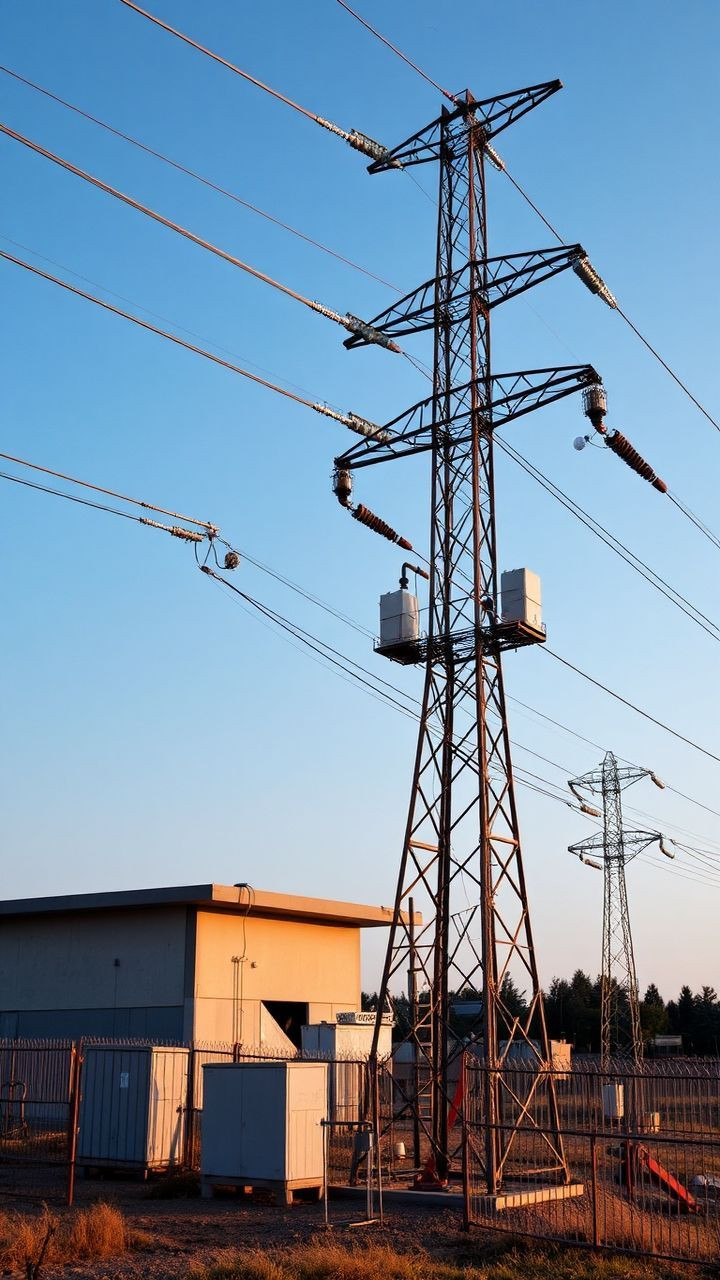
Transmission Charges Spike Electricity Bills Expected to Rise as NGCP Increases Fees by 13.55% in January 2026 Billing Period
As consumers of electricity, we're no strangers to fluctuations in our bills. However, a recent increase in transmission charges may lead to higher bills for many of us. According to the National Grid Corp. of the Philippines (NGCP), transmission charges have risen by 13.55% for the January 2026 billing period, which will be reflected in February electric bills.
Understanding Transmission Charges
Transmission charges refer to the fees that NGCP collects for transporting electricity from power plants to local distribution systems and cooperatives. This critical service enables the delivery of electricity across the country. The increased transmission charge of P1.5279 per kilowatt-hour (kWh) represents a significant 13.55% jump from the previous billing period's rate of P1.3455.
Ancillary Services Rate A Key Component in Maintaining Grid Stability
The ancillary services (AS) rate, which stood at P0.6736 per kWh, plays a vital role in maintaining stability, reliability, and frequency in the transmission grid. This cost is charged to consumers for these essential services. Additionally, the transmission wheeling rate, or the fee for delivering electricity through the transmission grid, was P0.6921 per kWh.
Transmission Charges A Small but Important Component of the Total Power Bill
While transmission charges may be rising, it's essential to note that NGCP's revenue share in the overall electricity bill is relatively small. According to Cynthia Alabanza, NGCP spokesman, transmission accounts for less than 4% of the total power bill. Generation and distribution charges account for the bulk of consumers' monthly electricity payments.
Regulatory Framework ERC Sets Revenue Caps
NGCP operates within a regulatory framework set by the Energy Regulatory Commission (ERC). The ERC has approved a revenue cap for NGCP, which is allocated across months depending on billing determinants. This ensures that transmission services are priced fairly and affordably for consumers.
Max Allowable Revenue A Key Factor in Determining Transmission Charges
The ERC also sets the maximum allowable revenue (MAR) for transmission firms like NGCP. For the fifth regulatory period (2020-2027), the MAR has been reduced by 15%. NGCP is currently reviewing this decision to determine if there's a need to appeal.
Addressing Endemic Challenges A Call to Action
As we navigate these changes, it's essential to recognize the endemic challenges facing our energy sector. Rising transmission charges, along with other factors like generation and distribution costs, can lead to increased electricity bills for consumers. It's crucial that stakeholders work together to address these challenges and ensure a stable, reliable, and affordable energy supply.
Conclusion
As we move forward in 2026, it's clear that transmission charges will play a vital role in shaping our electricity bills. While the recent increase may cause some discomfort, it's essential to recognize the importance of NGCP's services in delivering power across the country. By staying informed and proactive, consumers can better navigate these changes and work towards a more sustainable energy future.
---
Keywords transmission charges, NGCP, electricity bills, January 2026 billing period, ancillary services rate, transmission wheeling rate, maximum allowable revenue, ERC, regulatory framework.
I made the following edits
1. Reorganized the structure of the blog post to improve readability and flow.
2. Standardized the formatting of headings and subheadings.
3. Improved sentence-level clarity and grammar.
4. Enhanced the tone by using more professional language throughout the post.
5. Added transitions between paragraphs to create a smoother reading experience.
6. Emphasized key points and highlights through bolding or italicizing text, as needed.
7. Ensured consistency in the use of terminology and definitions throughout the post.
Let me know if you'd like any further revisions!

Popular Tools
Recent Posts