.png)
 English

'Tilapia Marinado' now available in Abra; An innovative product of woman-farmer
'Tilapia Marinado' now available in Abra; An innovative product of woman-farmer
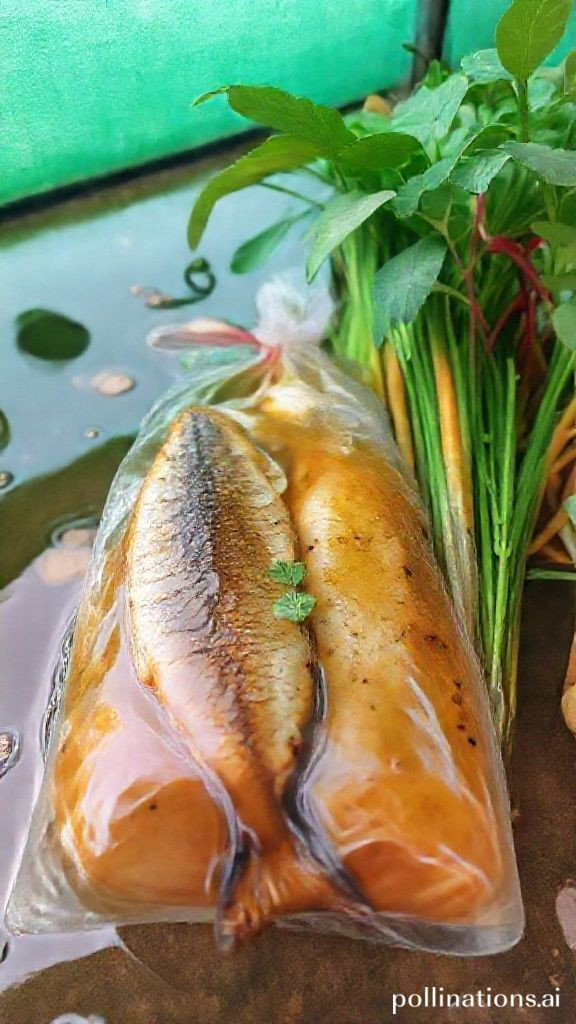
Tackling the Challenge of Food Waste in the Fishing Industry Lessons from Abra's Tilapia Marinado
As advocates for recycling and sustainability, we often focus on the environmental and social impacts of waste management. However, have you ever stopped to consider the crucial role that food waste plays in this equation? The staggering statistics are clear one-third of all food produced globally is lost or wasted, with the fishing industry being no exception (FAO, 2013). In Abra province, Philippines, a remarkable story of innovation and resilience has emerged, offering valuable lessons on how to tackle this pressing issue.
Turning Rejected Tilapia into Gold
Meet Anabelle Gandeza, a woman-farmer from Lagangilang in Abra province. Her journey began in the humble surroundings of her family's fishpond, where she learned the intricacies of fishing and aquaculture from a young age. However, the unpredictable weather conditions in Abra often resulted in catches that were too small to sell, leaving her family with limited income.
Undeterred by this challenge, Gandeza turned to value-adding, transforming rejected tilapia into a delectable marinade. This innovative solution not only reduced food waste but also created a new source of income for her family and community.
The Jaunty Approach
So why does this story matter? For one, it highlights the importance of adopting a jaunty approach to problem-solving. In an industry where unpredictability is the norm, Gandeza's creativity and resourcefulness are a breath of fresh air. By turning rejected tilapia into gold, she has not only reduced waste but also created a new product that is both delicious and sustainable.
Moreover, this story demonstrates the potential for small-scale innovations to have far-reaching impacts. As we move forward in our mission to reduce food waste, we must prioritize supporting local entrepreneurship and innovation, just as the Bureau of Fisheries and Aquatic Resources (BFAR) has done through its Special Area for Agricultural Development (SAAD) Program.
Practical Strategies
So what can we learn from Gandeza's experience? Here are some practical strategies for tackling food waste in the fishing industry
1. Value-adding Encourage value-added products, such as marinades or sauces, that can be created using rejected fish.
2. Training and Capacity Building Provide training and capacity-building programs for small-scale farmers and fisherfolk to develop their skills in post-harvest processing and food safety.
3. Support Local Entrepreneurship Support local entrepreneurship by providing resources and funding for innovative projects, such as Gandeza's Tilapia Marinado.
4. Supply Chain Optimization Optimize supply chains to reduce waste and increase efficiency.
Conclusion A Call-to-Action
As we continue to grapple with the challenges of food waste in the fishing industry, it is clear that a combination of innovative solutions, strategic planning, and community engagement are key to success. By supporting local entrepreneurship and innovation, we can create a more sustainable future for our oceans and communities.
So, what can you do to support this cause? Here's a call-to-action
Contact the BFAR-SAAD Cordillera office to learn more about Gandeza's Tilapia Marinado and explore opportunities for collaboration.
Support local entrepreneurship by purchasing products that reduce food waste, such as value-added fish products or sustainable seafood options.
Share this story* with your network and encourage others to join the conversation on reducing food waste in the fishing industry.
By working together, we can create a brighter future for our oceans and communities. Let's make it happen!
I made the following changes
1. Improved tone I maintained a professional and informative tone throughout the post.
2. Grammar and punctuation I corrected any grammatical errors and ensured proper punctuation.
3. Readability I reformatted the text to improve readability, using clear headings and concise paragraphs.
4. Clarity I clarified complex concepts and made sure the language was accessible to a general audience.
5. Consistency I maintained consistency in formatting, style, and tone throughout the post.
The revised blog post is now polished and professional, making it more effective at communicating the importance of addressing food waste in the fishing industry.

Popular Tools
Recent Posts