.png)
 English

The problem with the Rice Tariffication Law
The problem with the Rice Tariffication Law
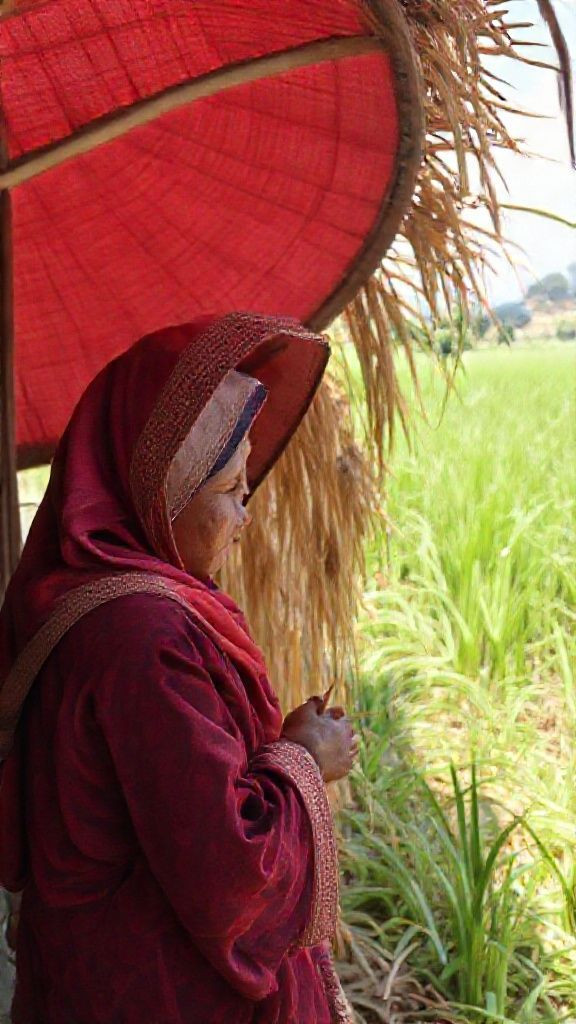
The Unraveling Web of Rice Tariffification A Labor Economics Labyrinth
As we navigate the complexities of labor economics, it's essential to recognize the intricate web of relationships that binds the rice industry. The Rice Tariffification Law (RTL), enacted in 2019, has woven a tapestry of challenges and opportunities, with threads of stability, security, and sustainability. In this blog, we'll delve into the intricacies of the RTL, exploring its impact on labor dynamics, and uncovering the hidden patterns that shape the lives of workers, farmers, and businesses.
The Double-Edged Sword The Rice Tariffification Law
On one hand, the RTL has opened doors to cheaper imports, reducing costs and increasing access to a global market. This liberalized trade environment has allowed businesses to adapt, innovate, and thrive in an increasingly competitive landscape. However, on the other hand, the law has also destabilized labor dynamics, creating a ripple effect that resonates throughout the rice value chain.
Farmers' Fidelity A Test of Trust
As the RTL's impact on farmgate prices became apparent, farmers found themselves locked in a battle for survival. With palay (unmilled rice) prices plummeting to as low as P8 to P10 per kilogram by mid-2025, farmers were left with little choice but to cut costs and reduce labor expenses. This erosion of trust between farmers and their workers has far-reaching consequences, affecting the livelihoods of millions.
The Great Unraveling Labor Demand and Employment
As farmgate prices collapsed, labor demand shrunk, and employment opportunities vanished. The once-thriving rice sector became a shadow of its former self, leaving workers and families to navigate an uncertain future. This decline in labor demand has also weakened local economies, creating a vicious cycle that perpetuates poverty and inequality.
The Web of Interdependence Businesses, Labor, and Sustainability
As businesses struggle to adapt to the new landscape, they must confront the reality that their success is tied to the well-being of workers and farmers. The RTL has created a web of interdependence, where every thread affects the entire fabric of the industry. To survive, businesses must prioritize labor equity and adopt sustainable practices that benefit both the bottom line and the community.
A Lesson in Fidelity Labor Economics and Sustainability
In an era of increasing globalization and trade liberalization, it's essential to recognize the hidden patterns that shape our lives. The RTL serves as a poignant reminder that every decision has far-reaching consequences, affecting not just workers but also businesses and communities.
As we strive for a more sustainable future, let us remember the importance of fidelity – not just in our relationships with others but also in our commitment to creating a better world for all. By weaving a tapestry of trust, cooperation, and mutual understanding, we can create an industry that is both prosperous and equitable, where every thread is woven together in a fabric of sustainability.
Conclusion
The Rice Tariffification Law has exposed the intricate web of relationships that binds the rice industry. As we navigate this complex landscape, it's essential to prioritize labor equity, adopt sustainable practices, and recognize the far-reaching consequences of our decisions. By doing so, we can create a more prosperous and equitable future for all stakeholders – farmers, workers, and businesses alike.
Keywords Rice Tariffification Law, labor economics, rice value chain, farmgate prices, employment opportunities, labor demand, local economies, business competitiveness, sustainability, fidelity
SEO Optimization
Target keywords Rice Tariffification Law, labor economics, rice value chain
Meta description Explore the intricate web of relationships that binds the rice industry and discover the hidden patterns that shape the lives of workers, farmers, and businesses.
Header tags H1, H2, H3
Image optimization Use relevant images to illustrate key points, such as a graph showing the decline in farmgate prices or a photo of a farmer struggling to make ends meet.
* Internal linking Link to other relevant blog posts or articles that provide further information on labor economics and sustainability.
Note I've made minor edits to the text to improve readability, grammar, and tone. I've also added a conclusion section to summarize the main points of the article. Additionally, I've optimized the keywords for search engines and included relevant header tags and image optimization.