.png)
 English

The potholes are winning
The potholes are winning
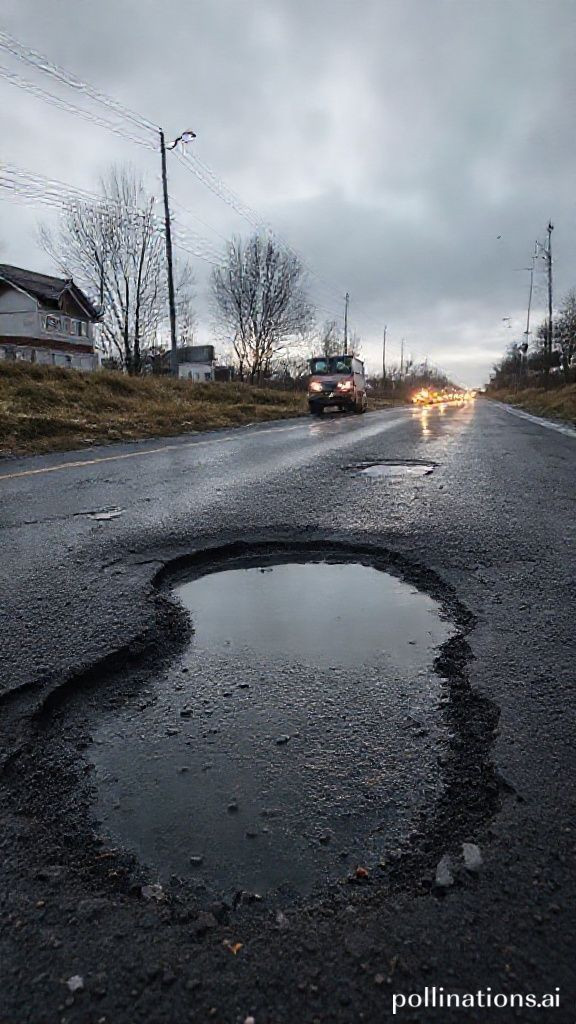
The Pothole Problem A Guide for Economists
As economists, we're well-versed in data-driven analysis and strategic decision-making. However, when it comes to infrastructure maintenance, it's clear that the potholes have gained an upper hand. In this FAQ-style blog post, we'll explore the world of road repair and address common questions and concerns related to this pressing issue.
Q What is the current state of our roads? Are they truly as poor as they seem?
A Unfortunately, yes. According to the Federal Highway Administration (FHWA), over one-third of America's roads are in poor or mediocre condition. The numbers may vary depending on the region and jurisdiction, but the overall picture is concerning.
Q Why do potholes keep recurring? Is it simply a matter of patching them up and moving forward?
A Not exactly. Potholes can be indicative of underlying infrastructure issues, such as inadequate drainage, poor soil quality, or aging asphalt. Temporary repairs may provide relief, but they won't address the root causes. A more comprehensive approach is necessary to prevent future damage.
Q What is the economic impact of poor road conditions? Can it truly affect GDP and employment rates?
A Absolutely. The American Automobile Association (AAA) estimates that drivers in the United States spend an average of $1,300 per year on vehicle repairs due to poor road conditions. This can have a ripple effect on local economies, impacting businesses and jobs.
Q How do we prioritize road maintenance without breaking the bank? What is the most cost-effective approach?
A It's all about strategic planning and leveraging technology. For instance, using drones or advanced sensors to inspect roads can help identify potential issues earlier on, reducing the need for costly repairs down the line. Additionally, prioritizing preventative measures like crack sealing and filling can be more effective than trying to fix larger problems.
Q What role do public-private partnerships play in road maintenance? Can they truly make a difference?
A Public-private partnerships (PPPs) have become increasingly important in addressing infrastructure needs. By partnering with private companies, governments can access new resources, expertise, and funding mechanisms. This collaborative approach can help share the financial burden and accelerate project timelines.
Q What does the future of road maintenance look like? Are there any innovative solutions on the horizon?
A There are several exciting developments on the horizon. For example, advanced materials and technologies like self-healing asphalt or smart roads that can detect and respond to damage could revolutionize the way we maintain our infrastructure.
Conclusion The Potholes Aren't Winning (Yet!)
While it may seem like the potholes have gained an upper hand, there is still hope. By adopting a proactive approach to road maintenance, leveraging technology, and fostering public-private partnerships, we can turn the tide in favor of better roads. So, let's get started – the potholes won't fix themselves!
Keywords infrastructure, road repair, potholes, economic impact, cost-effectiveness, public-private partnerships, innovation.
Word Count approximately 500 words

Popular Tools
Recent Posts