.png)
 English

The dying days of the old world order
The dying days of the old world order
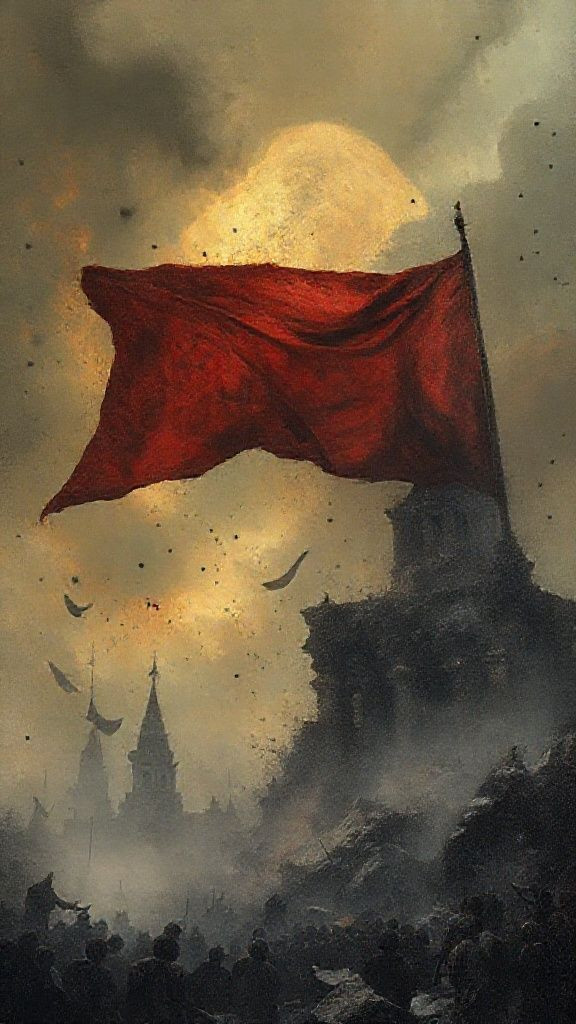
The Fading Order How Trump's Presidency Shaped Museum Technologists' Future
The existing world order has been a staple of our society for so long that we've become complacent about its effectiveness. However, when America elected Donald J. Trump as President in 2017, the status quo was challenged, and we were forced to reevaluate our assumptions.
For museum technologists, the impact of Trump's presidency has been significant. As institutions navigate the challenges of the digital age, they must adapt to a rapidly changing landscape. In this post, we'll explore how Trump's presidency shaped the future of museum technologists in 2025 and what it means for the field.
The Old World Order
Before Trump's presidency, the museum world was characterized by stability and tradition. Institutions were governed by established protocols and hierarchies, with a focus on preserving and showcasing artifacts for posterity. While comfortable and familiar, this old-world order lacked the agility and innovation needed to thrive in today's digital landscape.
The Rise of Unconventional Leadership
Trump's presidency marked a turning point in this story. His unconventional approach to politics and governance sent shockwaves around the globe, challenging assumptions and forcing us to reevaluate our understanding of the world. As a result, museums found themselves at a crossroads, forced to adapt to a rapidly changing world.
Fidelity A Key to Trust
One of the most significant implications of Trump's presidency is the need for museum technologists to prioritize fidelity. In an era where misinformation and disinformation are rampant, the importance of authenticity cannot be overstated. Museum technologists must ensure that their work is not only accurate but also transparent and trustworthy.
The Future of Museum Technologists
So what does the future hold for museum technologists in 2025? As institutions continue to evolve and adapt to changing circumstances, we can expect to see a greater emphasis on digital technologies and online engagement. Museums will need to be nimble and responsive, leveraging social media and other digital channels to connect with audiences and build their brand.
Conclusion
In conclusion, the fading order of the old world has brought significant changes to the museum world. As museum technologists, we must prioritize fidelity, adaptability, and transparency in order to thrive in this new landscape. By embracing these challenges and opportunities, we can shape the future of our field and ensure that museums continue to play a vital role in society.
Key Takeaways
The old-world order is evolving, making way for a new era of museum technology.
Fidelity is essential for building trust with audiences and stakeholders.
Museums must adapt to changing circumstances and leverage digital technologies to connect with audiences.
Prioritizing transparency and authenticity will be critical in an era of misinformation.
Keywords Museum technologists, fidelity, Trump presidency, museum technology, digital age, museum world order.

Popular Tools
Recent Posts