.png)
 English

The Ancient Mammoth A Window into the Past
The Ancient Mammoth A Window into the Past
The Ancient Mammoth A Window into the Past
At the Laboratory of Functional Genomics and Proteomics of Microorganisms at the Institute of Experimental Medicine in Saint Petersburg, a team of scientists has made a groundbreaking discovery. The remains of a 130,000-year-old baby mammoth, nicknamed Yana, have provided a rare glimpse into the past. This remarkably preserved calf's body has yielded valuable insights into the biology and ecology of prehistoric times, as well as potential implications for our understanding of climate change.
Unparalleled Preservation
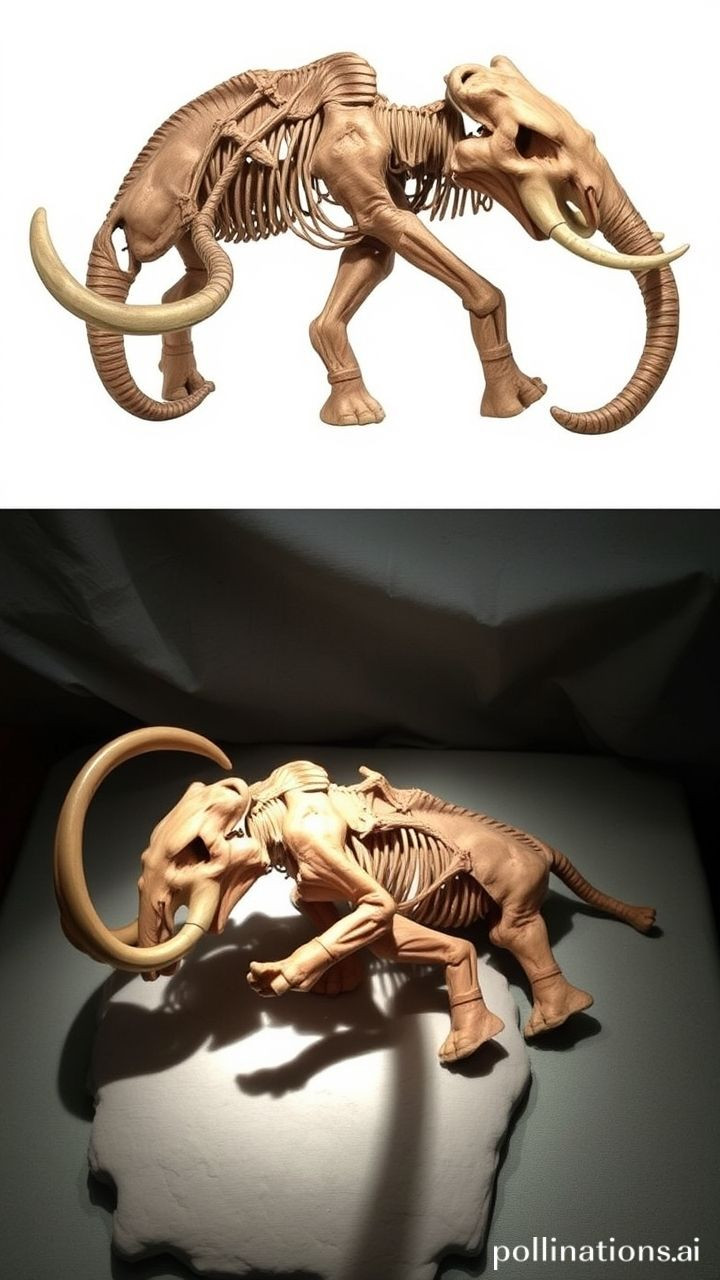
Yana's skin retains its original greyish-brown color, with clumps of reddish hairs still intact. Her wrinkled trunk curves towards her mouth, while her sturdy legs resemble those of a modern-day elephant. This level of preservation is unprecedented in paleontological discoveries, offering scientists a unique opportunity to study the internal organs and soft tissues.
A Treasure Trove of Information
During the necropsy, the team of scientists was able to gather valuable samples from Yana's body, including her stomach, intestines, and colon. These samples will be analyzed for ancient microorganisms, which could provide clues about the evolution of modern microorganisms.
The Role of Permafrost
Yana's exceptional preservation is attributed to the permafrost in which she was found. The frozen soil acts as a giant freezer, preserving the carcasses of prehistoric animals like Yana. However, scientists are also exploring the potential risks associated with thawing permafrost, including the release of potentially harmful pathogens.
A Beacon for the Future
As we continue to uncover secrets about Yana and her prehistoric world, it is crucial that we use this knowledge to inform our understanding of climate change. By studying the microbiology of ancient remains like Yana's, scientists can better understand the biological risks associated with global warming. This research has the potential to safeguard future generations, providing critical insights into the long-term impacts of human activity on our planet.
Conclusion
The discovery of Yana, a 130,000-year-old baby mammoth, is a significant milestone in paleontological research. As scientists continue to study her remarkably preserved body, they will uncover valuable insights about the biology and ecology of prehistoric times. By exploring the implications of thawing permafrost and the potential risks associated with it, we can work towards a more sustainable future for our planet.
Keywords Mammoth, Permafrost, Climate Change, Ancient Microorganisms

Popular Tools
Recent Posts