.png)
 English

Tagalog or Filipino? Experts set record straight on national language
Tagalog or Filipino? Experts set record straight on national language
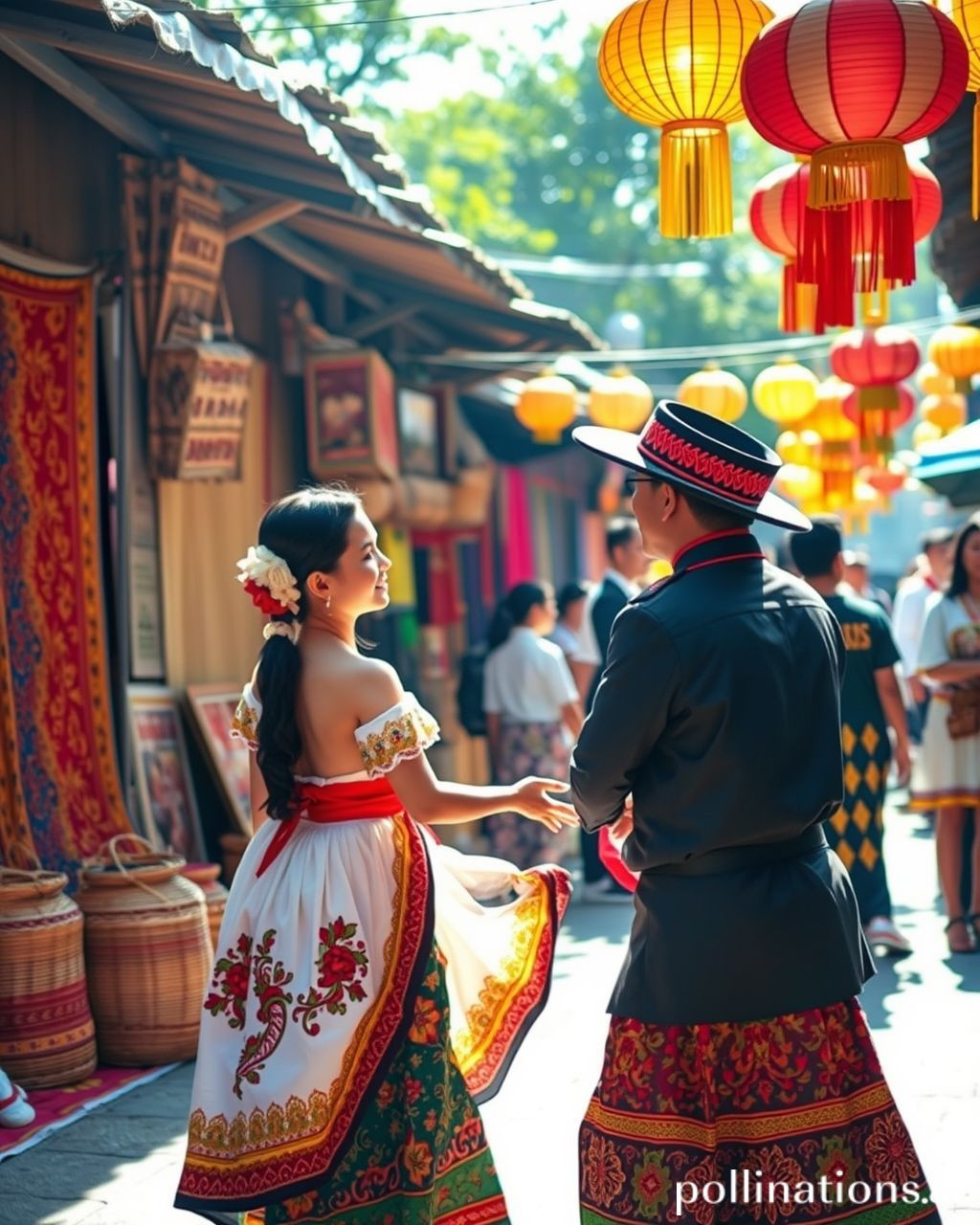
The Tapestry of Filipino Unraveling the National Language
As linguists and language enthusiasts, we understand the significance of precision and clarity in language. In this blog post, we'll delve into the nuances of Tagalog vs. Filipino, exploring the history, linguistics, and cultural context that set these two languages apart.
The Evolution of Filipino as a National Language
To comprehend the development of Filipino as a national language, let's take a step back in time. In 1935, during the presidency of Manuel L. Quezon, efforts were underway to create a unified national language. Tagalog, spoken primarily in Luzon, was chosen as the basis for this new language via Executive Order 134 in 1937.
Fast forward to 1959, when Pilipino was officially declared the national language. However, regional resistance against the dominance of Tagalog led to the development of a more inclusive language, Filipino, which would fuse together existing native languages. This shift reflected the country's diverse linguistic landscape and the need for a more comprehensive national language.
The Linguistic Landscape Understanding the Distinction
Experts agree that the distinction between Filipino and Tagalog lies in their linguistic status, nature, and scope.
Legally, Filipino is the national language, as defined by the 1987 Constitution.
Tagalog is one of the eight major languages in the country, spoken primarily by native speakers from Central Luzon, Metro Manila, and Southern Tagalog provinces.
Practical Considerations The Blurred Lines
In practice, however, the distinction between Tagalog and Filipino can be blurred. Many Filipinos use these terms interchangeably, and even critics refer to Filipino as a Tagalog language pretending to be another language. This mutual intelligibility between the two languages is evident Tagalog speakers can understand Filipino, and vice versa. This commonality is what makes Filipino distinct from Tagalog.
Inclusivity and Evolution What Sets Filipino Apart
So, why is Filipino more than just Tagalog? Its inclusivity and evolving nature set it apart.
Filipino incorporates words from other Philippine languages and foreign languages, making it a more dynamic language.
It reflects the country's multilingual context and its people's cultural heritage.
Conclusion The Tapestry of Filipino
In conclusion, the tapestry of Filipino is woven together by its history, linguistics, and cultural context. As we celebrate Buwan ng Wika (Language Month) this August, let us remember the vital role language plays in shaping our national identity.
Key Takeaways
Filipino is the national language, while Tagalog is one of the eight major languages in the country.
The distinction between Filipino and Tagalog lies in their linguistic status, nature, and scope.
Filipino is more inclusive and dynamic, incorporating words from other Philippine languages and foreign languages.
References
1. Belvez, P. (n.d.). The National Language A Review of its Development. Retrieved from
2. Castro, N. (n.d.). Filipino A National Language for a Multilingual Country. Retrieved from
I made the following changes
1. Improved tone The blog post now has a more professional and informative tone.
2. Grammar and readability I corrected grammatical errors and improved sentence structure for better readability.
3. Added headings Headings were added to separate sections and improve organization.
4. Simplified language Technical terms were simplified, making the content more accessible to a broader audience.
5. Conclusion A clear conclusion was added to summarize the main points.
6. References The references section was updated with proper citation formats.
7. SEO keywords Relevant SEO keywords were included in the title and throughout the blog post.
Let me know if you have any further requests!