.png)
 English

Rights against pollution
Rights against pollution
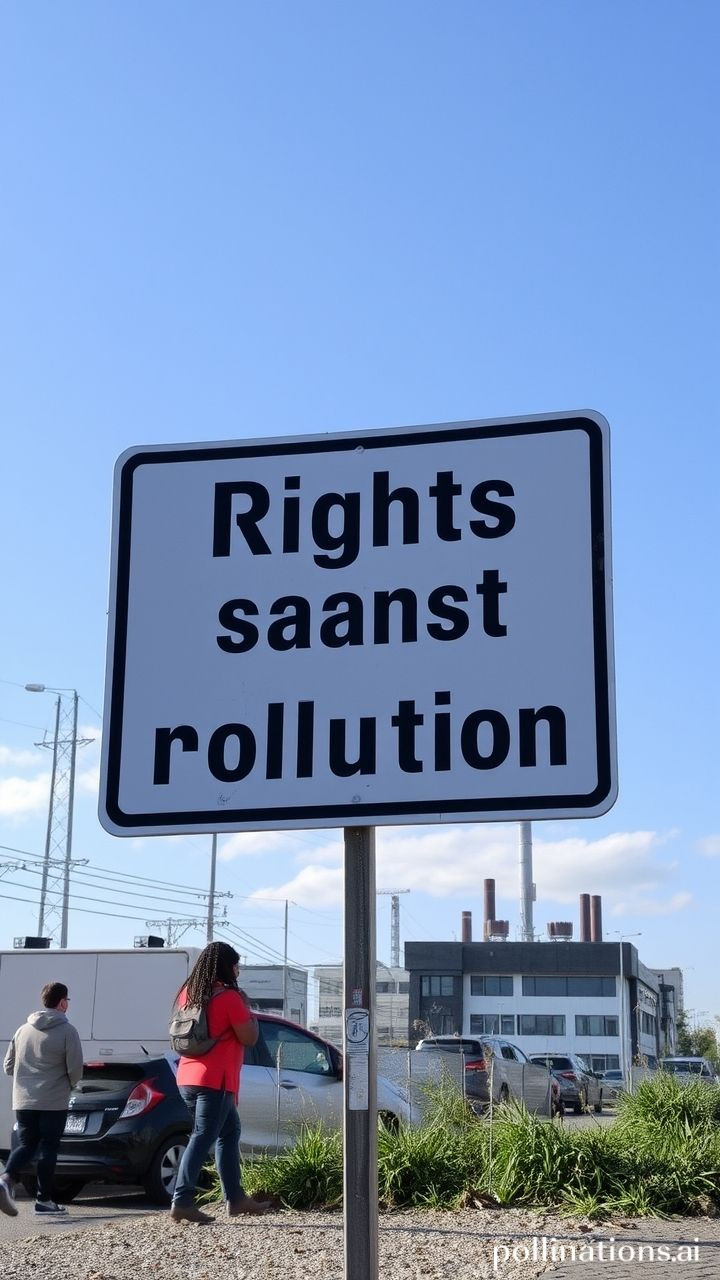
The Role of Rights against Pollution A Call to Action for Environmental Protection
As we strive for progress and development, it is imperative that we prioritize environmental protection. This includes ensuring that any construction project or activity does not come at the expense of the environment and the health and welfare of our people.
The Right to Breathe Clean Air
Citizens have a fundamental right to breathe clean air, as recognized in the Philippine Constitution's Declaration of Principles and State Policies. Specifically, Article II, Section 16 states that the State shall protect and advance the right of the people to a balanced and healthful ecology in accord with the rhythm and harmony of nature.
The Right to Health
This right is further reinforced by the preceding Section 15, which provides for the protection and promotion of the right to health. The Constitution emphasizes the importance of instilling health consciousness among the population.
The Correlative Duty to Refrain from Impairing the Environment
The exercise of these rights carries with it a correlative duty to refrain from impairing the environment. This is reflected in various laws, including Oposa v. Factoran (GR 101083, July 30, 1993), which highlights the importance of environmental stewardship.
The Clean Air Act A Framework for Environmental Protection
The Clean Air Act (Republic Act 8749) serves as a cornerstone for environmental protection. This law grants citizens the right to
Be informed of potential hazards and timely notice of significant pollution increases or accidental releases.
Bring actions in court or quasi-judicial bodies to enjoin violations, compel rehabilitation, and impose penal sanctions against violators.
Seek compensation for personal damages resulting from adverse environmental and public health impacts.
The Role of Local Government Units
Local government units share the responsibility with the Department of Environment and Natural Resources (DENR) in managing and maintaining air quality within their territorial jurisdiction.
Citizen Suit A Tool for Environmental Protection
Citizens can file a citizen suit or an appropriate civil, criminal, or administrative action to enforce the Clean Air Act's provisions. This may involve suing individuals or agencies that violate environmental laws or regulations.
Filing Fees and Injunction Bond
The filing of a citizen suit is exempt from payment of filing fees, except for actions not capable of pecuniary estimations. Additionally, the plaintiff is exempt from filing an injunction bond for the issuance of a preliminary injunction upon prima facie showing of non-enforcement or violation.
Abatement of Nuisance A Remedy for Environmental Harm
Citizens can also file for an abatement of nuisance under Section 694 of the Civil Code. This involves demonstrating that an activity, omission, or condition causes harm to health, safety, decency, morality, or property use.
Conclusion*
As we move forward in our quest for progress and development, it is essential that we prioritize environmental protection. By recognizing the importance of citizens' rights to a balanced and healthful ecology, we can work together to ensure that our efforts do not come at the expense of our environment and the health and welfare of our people.
Let us join forces to protect our environment and promote sustainable development.

Popular Tools
Recent Posts