.png)
 English

Real-time AI seen boosting hospital operations, patient care in the Philippines
Real-time AI seen boosting hospital operations, patient care in the Philippines
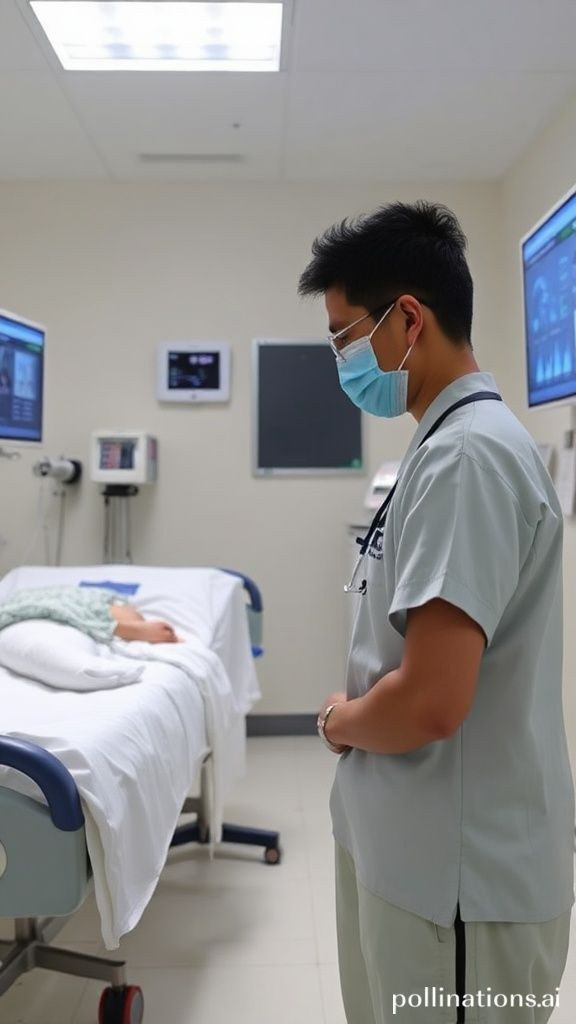
Here is the polished and professional version of the blog post
Revolutionizing Healthcare 5 Key Insights on Real-time AI in Hospital Operations and Patient Care in the Philippines
The healthcare industry is undergoing a significant transformation with the advent of real-time artificial intelligence (AI). In the Philippines, AI is revolutionizing hospital operations and patient care by streamlining clinical workflows, enabling predictive analytics, and facilitating personalized care. Here are five key insights on how real-time AI is making a positive impact
### 1. Efficient Clinical Workflows
Real-time AI can significantly streamline clinical workflows by automating tasks such as updating electronic health records, streamlining internal processes, and supporting faster clinical decisions. This enables medical staff to focus on more critical tasks, reducing administrative burdens and improving patient care.
With AI-orchestrated healthcare workflows, hospitals can reduce wait times, improve patient satisfaction, and enhance overall efficiency. Imagine a hospital where clinicians have the time and resources to attend to patients' needs, rather than spending hours managing systems.
### 2. Bio Surveillance Network
Vantiq's Bio Surveillance Philippines is a privacy-preserving, real-time disease intelligence network that connects participating hospitals without exposing patient data. This innovative system enables decision-makers to monitor live disease trends and geographic clusters, such as dengue cases, alongside operational data including bed availability, ICU capacity, medications, and equipment.
With this real-time dashboard, healthcare professionals can anticipate surges in patient admissions, allocate resources more effectively, and respond quickly to emerging health threats. Imagine having a powerful tool that tracks disease outbreaks, hospital resource utilization, and patient needs in real-time.
### 3. Streamlined Discharge Processes
Real-time AI can also streamline discharge processes by automatically creating discharge plans upon patient admission, continuously monitoring required tasks such as laboratory results, billing clearance, and PhilHealth claims, and escalating delays to the appropriate departments.
This enables hospitals to reduce wait times, improve patient satisfaction, and enhance overall care quality. Imagine a hospital where patients are discharged quickly, efficiently, and safely, without delays or complications.
### 4. Predictive Analytics
Real-time AI can analyze vast amounts of data in real-time, enabling predictive analytics that anticipate patient needs, identify trends, and inform clinical decisions. This includes monitoring disease outbreaks, tracking patient demographics, and analyzing treatment outcomes.
With AI-powered predictive analytics, healthcare professionals can improve patient outcomes, reduce readmissions, and enhance overall care quality. Imagine having a system that anticipates patient surges, identifies high-risk patients, and informs clinical decision-making.
### 5. Personalized Care
Real-time AI can also enable personalized care by analyzing vast amounts of patient data, identifying unique needs and preferences, and informing treatment plans. This includes monitoring vital signs, tracking medication adherence, and analyzing patient engagement.
With AI-powered personalized care, healthcare professionals can improve patient outcomes, enhance patient satisfaction, and reduce readmissions. Imagine a hospital where patients receive tailored care that addresses their unique needs and preferences.
In conclusion, real-time AI is revolutionizing hospital operations and patient care in the Philippines by streamlining clinical workflows, enabling predictive analytics, and facilitating personalized care. As we move towards a more digital future, it's essential to harness the power of AI to drive innovation, improve efficiency, and enhance patient outcomes.

Popular Tools
Recent Posts