.png)
 English

Public warned vs circulating NCAP text scams
Public warned vs circulating NCAP text scams
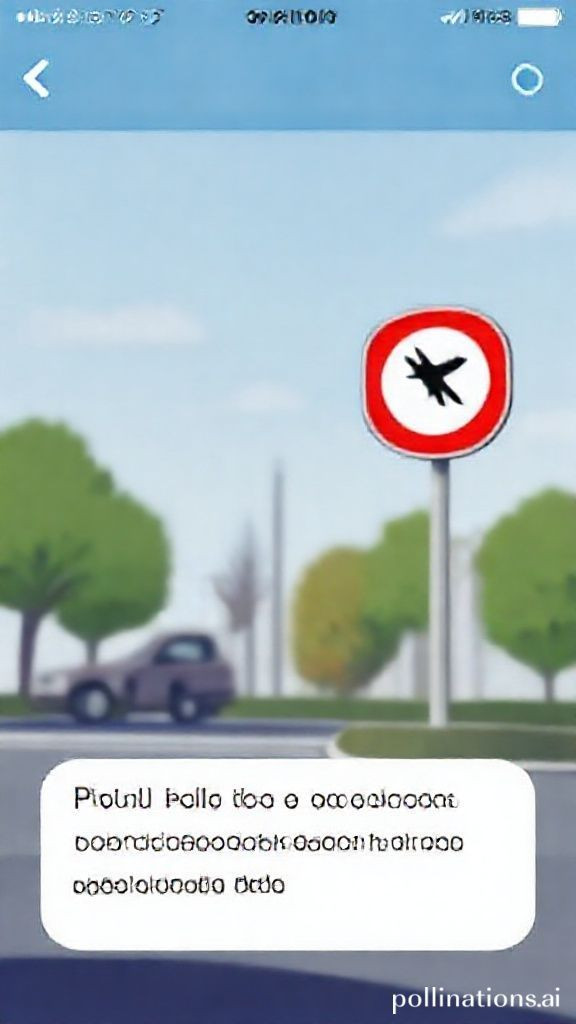
The Ultimate Guide to Public Warnings vs Circulating NCAP Text Scams Stay Safe Online in 2025
As data analysts and professionals, it's crucial to stay informed about online scams that can compromise our personal and professional lives. In this comprehensive guide, we'll delve into the world of public warnings and circulating text scams, specifically focusing on the No Contact Apprehension Policy (NCAP) in the Philippines.
Understanding NCAP
Before we dive into the scam alert, let's take a brief look at what NCAP is all about. The Metropolitan Manila Development Authority (MMDA) implemented this policy to monitor and manage traffic congestion in Metro Manila. With NCAP, drivers can avoid fines and penalties by paying for their traffic violations online or through authorized payment centers.
The Scam Alert Circulating NCAP Text Scams
Recently, the MMDA issued a warning about circulating text scams involving fake traffic violation notices under the NCAP. These scammers send out phony messages claiming that you've committed a traffic offense and demanding payment to avoid fines and penalties. But fear not! With this guide, we'll alleviate your concerns and provide you with essential tips to stay safe online.
Authentic vs Suspicious Text Messages What to Look Out For
To distinguish between genuine and fake NCAP text messages, follow these guidelines
Legitimate NCAP notifications are sent only after a violation has been verified.
Real-time text messages and emails are used for official communication.
Authentic MayHuliKa text notifications do not contain payment links.
These messages do not allow replies to the sender.
They don't include any SMS contact information.
Red Flags Be Cautious
Be wary of suspicious texts that
Contain payment links or demand immediate payment.
Allow replies to the sender.
Include personal or sensitive information.
Are sent from an unfamiliar number or name (not MMDA_NCAP).
Online Safety Measures Staying Safe Online
To alleviate your concerns and stay safe online, follow these best practices
Verify information only through legitimate and official sources.
Observe basic online safety measures, such as using strong passwords and keeping software up-to-date.
Avoid clicking suspicious links or opening attachments from unknown senders.
Reporting Suspicious Messages Keeping You Safe
If you receive a suspicious message or social media post related to the NCAP scam, report it to
MMDA Hotline 136
Official MMDA social media accounts
By being aware of these scams and taking proactive measures, we can alleviate our concerns and protect ourselves from online threats. As data analysts and professionals, it's essential to stay vigilant and informed about the latest online scams. By doing so, we can maintain a safe and secure digital environment for ourselves and our colleagues.
Conclusion Staying Safe Online
In conclusion, this guide has provided you with the ultimate rundown on public warnings vs circulating NCAP text scams. By understanding the authentic characteristics of NCAP text messages and being aware of suspicious red flags, we can alleviate our concerns and stay safe online. Remember to always verify information through official sources and report any suspicious activity. With these tips and a healthy dose of caution, you'll be well-equipped to navigate the digital world with confidence and security.
Keywords Data Analysts, Professionals, Online Safety, NCAP, MMDA, Scams, Public Warnings

Popular Tools
Recent Posts