.png)
 English

PNP chief reviews PNPA’s programs
PNP chief reviews PNPA’s programs
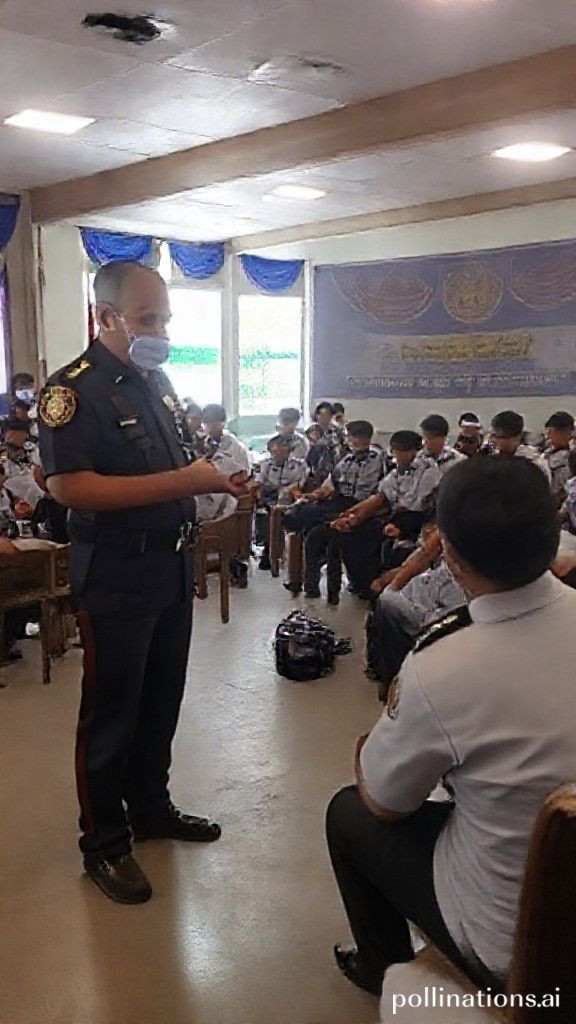
Challenges of Building a Capable Police Force PNP Chief Reviews PNPA's Programs
As Lt. Gen. Jose Melencio Nartatez Jr., acting Philippine National Police (PNP) chief, reviewed the programs at the Philippine National Police Academy (PNPA), he emphasized the critical importance of comprehensive modernization and leadership development in preparing future officers for active duty.
Evaluating Progress
Nartatez met with PNPA officials to assess improvements in facilities, training tools, academic programs, and faculty development. He recognized that enhancing instruction and leadership at the academy is essential for building a capable police force.
Upgrading Training Equipment and Facilities
Discussions focused on ongoing and planned upgrades at the academy, including modernizing training equipment and improving facilities. These initiatives are part of broader PNP efforts to ensure future officers meet evolving operational and public service standards.
Cultivating an Environment of Discipline and Accountability
Nartatez stressed that improving police education is not just about equipment or buildings; it also involves creating an environment where cadets learn the value of discipline, responsibility, and service to the Filipino people. Improving police education is a process that requires patience, dedication, and a commitment to excellence, he said.
The Philippine National Police Academy A Public Safety School and Service Academy
Established on August 26, 1977, the PNPA is a public safety school and service academy in the Philippines that trains future officers of the PNP. The academy originally trained officers for the PNP, Bureau of Jail Management and Penology, and Bureau of Fire Protection.
Evolution of the Philippine National Police Academy
Following the creation of the Philippine Public Safety Academy in 2022, the PNPA became a PNP-exclusive institution, ending its decades-long connection with other uniformed organizations under the Department of the Interior and Local Government. At the PNPA, cadets undergo a four-year tertiary education program, earning a Bachelor of Science Degree in Public Safety.
Challenges Ahead
As Nartatez reviewed the programs at the PNPA, he acknowledged that there are still many challenges ahead. However, he emphasized that building a capable police force requires perseverance and a commitment to excellence. We must write out a new path forward, one that prioritizes modernization, leadership development, and a culture of discipline and accountability.
Strategies for Overcoming Challenges
To overcome the challenges ahead, Nartatez proposed the following strategies
1. Prioritize Modernization Invest in modern training equipment and facilities to enhance the learning experience for cadets.
2. Emphasize Leadership Development Develop programs that focus on leadership skills, discipline, and accountability to prepare future officers for active duty.
3. Foster a Culture of Excellence Encourage a culture of excellence by promoting a sense of pride, responsibility, and service among cadets and instructors.
Conclusion
As the PNP chief reviews PNPA's programs, he recognizes that building a capable police force requires a comprehensive approach that addresses modernization, leadership development, and cultural change. By prioritizing these areas, the PNP can ensure that its future officers are equipped to meet the evolving demands of public service.
Keywords Philippine National Police Academy (PNPA), Modernization, Leadership Development, Public Safety, Capable Police Force

Popular Tools
Recent Posts