.png)
 English

Philippines aims to finalize South China Sea Code of Conduct by 2026
Philippines aims to finalize South China Sea Code of Conduct by 2026
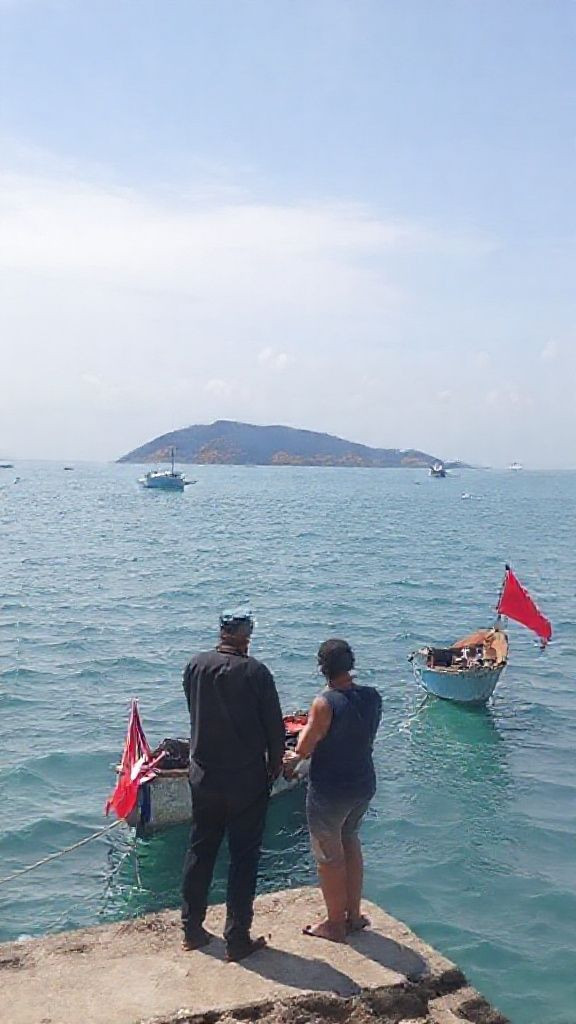
Powering Peace Philippines Aims to Finalize South China Sea Code of Conduct by 2026
As the Philippines assumes its chairmanship of the Association of Southeast Asian Nations (ASEAN), it has set an ambitious goal finalize the long-awaited Code of Conduct (COC) in the South China Sea by 2026. This development has significant implications for educators and policymakers alike, as it aims to promote peace, stability, and cooperation in one of the world's most contested regions.
A Deliberate Process
The COC has been under development since 2017, with ASEAN and China working together to establish a set of rules governing the behavior of countries in the South China Sea. While progress has been slow, Foreign Affairs Secretary Ma. Theresa Lazaro remains confident that the agreement will be concluded within the next three years.
A Binding Commitment
The COC is more than just a document – it's a symbol of ASEAN's commitment to maintaining peace and stability in the region. As ASEAN Secretary-General Kao Kim Hourn noted, We expect this [COC] to conclude next year... during the Philippines' chairmanship. The agreement will ensure that the South China Sea remains peaceful and stable, a vital step towards fostering cooperation and trust among nations.
The Power of Cooperation
In an era where global tensions are rising, the COC's influence cannot be overstated. By establishing clear guidelines for behavior in the South China Sea, ASEAN is taking a crucial step towards preventing misunderstandings and conflicts that can escalate into full-blown crises.
Empowering Educators
As educators, we have a unique role to play in shaping the next generation of leaders who will navigate the complexities of international relations. By incorporating lessons from the South China Sea dispute into our curricula, we can help students develop a deeper understanding of the global landscape and the importance of cooperation.
Conclusion
The Philippines' commitment to finalizing the COC by 2026 is a testament to ASEAN's unwavering dedication to promoting peace and stability in the region. As educators, it is our responsibility to seize this opportunity to integrate lessons from the South China Sea dispute into our teaching practices, empowering students to become informed global citizens who can work towards a more peaceful and prosperous future.
Keywords Code of Conduct (COC), South China Sea, Association of Southeast Asian Nations (ASEAN), Philippines, international relations, education, global citizenship.

Popular Tools
Recent Posts