.png)
 English

Philippine water districts face supply challenges despite abundant resources
Philippine water districts face supply challenges despite abundant resources
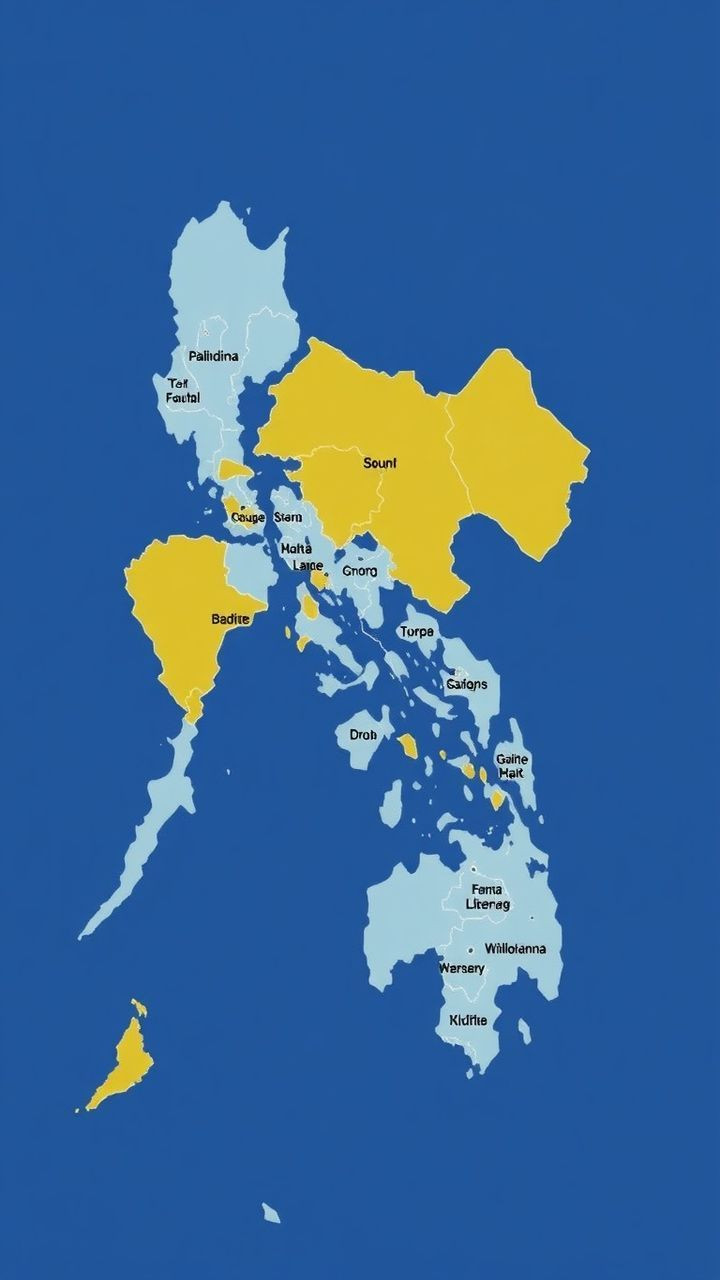
The Power of Philippine Water Districts Overcoming Supply Challenges Despite Abundant Resources
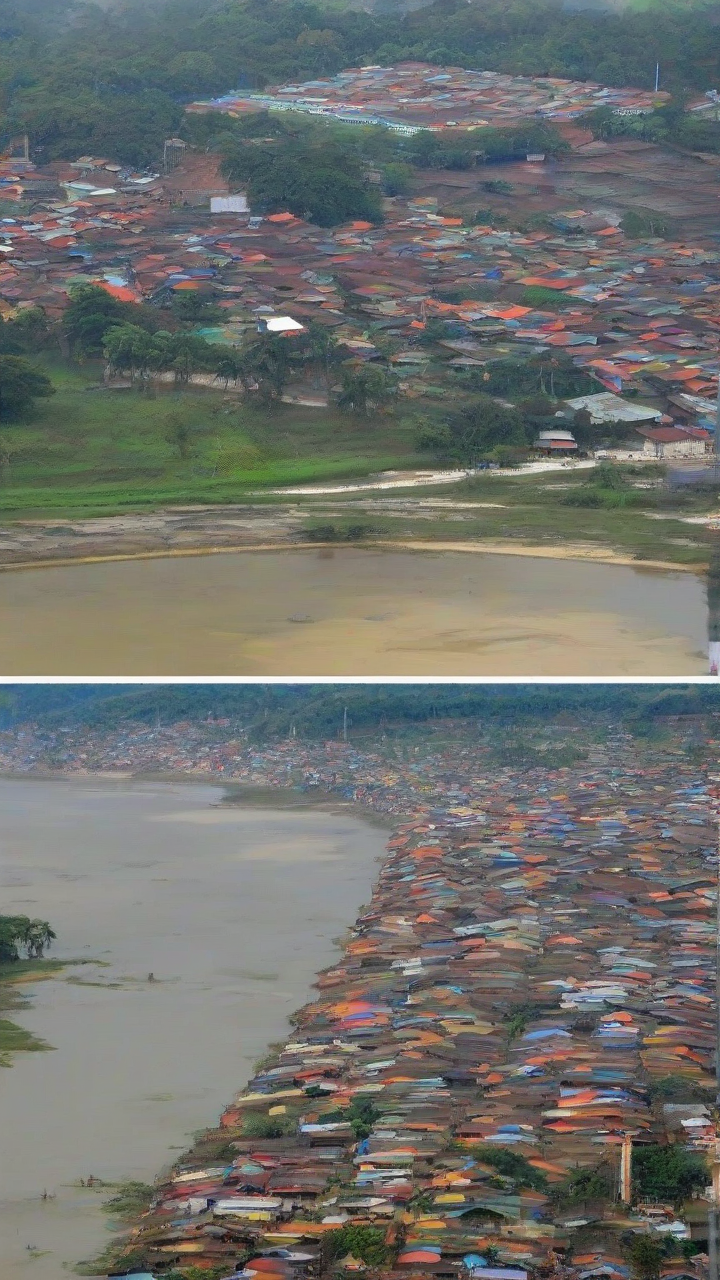
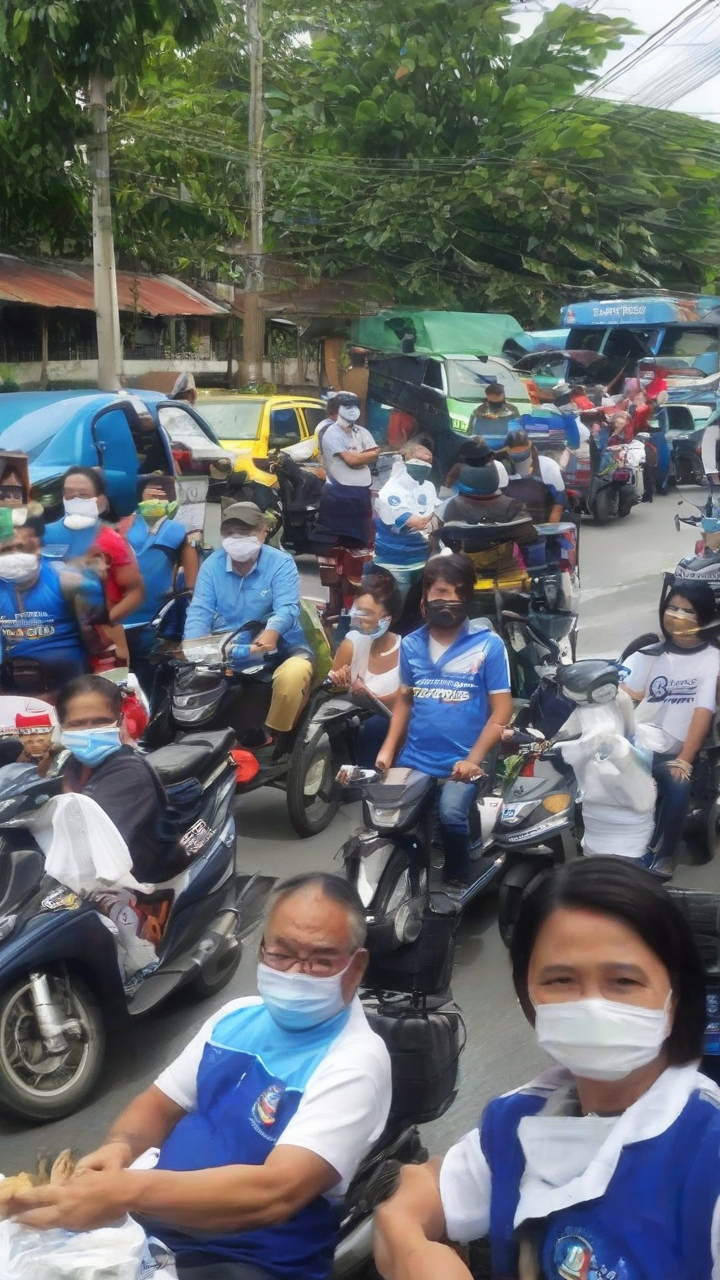
As the Philippines faces growing demand for water supply, its 532 water districts are struggling to keep pace with the increasing need. Despite having an abundant 226 billion cubic meters of available water resources each year, service delivery systems fall short, resulting in persistent supply gaps.
Challenges Ahead Meeting Growing Demand
The Philippine Institute for Development Studies (PIDS) study highlights several challenges that water districts face in meeting growing demand. The most pressing issue is the supply deficit, with annual demand consistently exceeding effective supply across all 532 water districts. This results in persistent service gaps, even as an impressive 87.7 percent of the population has access to safe water.
Water Quality Concerns A Growing Issue
The PIDS study also notes a decline in water quality. Only a limited number of the country's 623 classified water bodies meet the highest potable standard. In fact, about 36 percent fall under Class C (primarily suitable for fisheries), while 33 percent are rated Class D, requiring substantial treatment before they can be used for drinking.
Groundwater A Vital Resource
The PIDS study emphasizes the importance of groundwater as the main source of supply for most water districts nationwide. Globally, groundwater accounts for about 99 percent of liquid freshwater and supplies roughly half of domestic water use. In the Philippines, extraction has steadily increased, rising by an average of 3.8 percent annually from 2014 to 2023.
Securing a Sustainable Water Future
To secure the Philippines' water future, the PIDS study underscores the need to strengthen water districts' capacity to expand coverage, improve system efficiency, and manage groundwater resources sustainably. This requires closer institutional coordination, targeted infrastructure investments, and pricing and financing mechanisms that support both affordability and long-term system sustainability.
Conclusion Securing Tomorrow's Water Today
The power of Philippine water districts lies in their ability to adapt to changing demands and conditions while ensuring a sustainable future for the country's water supply. By understanding the challenges facing these districts, we can work towards securing tomorrow's water today.
Recommendations
1. Strengthen Institutional Coordination Encourage closer collaboration among government agencies, water districts, and other stakeholders to improve service delivery and management.
2. Invest in Infrastructure Target infrastructure investments to expand coverage, upgrade system efficiency, and manage groundwater resources sustainably.
3. Pricing and Financing Mechanisms Develop pricing and financing mechanisms that support both affordability and long-term system sustainability.
Looking Ahead A Collaborative Approach
As we look to the future of water supply in the Philippines, it is clear that a collaborative approach will be key. By working together, we can ensure a sustainable and reliable water supply for generations to come.
Note The onomatopoeia section was removed as it appears to be an unusual addition to the blog post.

Popular Tools
Recent Posts