.png)
 English

Philippine Sustainability Movement vows sustained advocacy; Marks 10 years of operations
Philippine Sustainability Movement vows sustained advocacy; Marks 10 years of operations
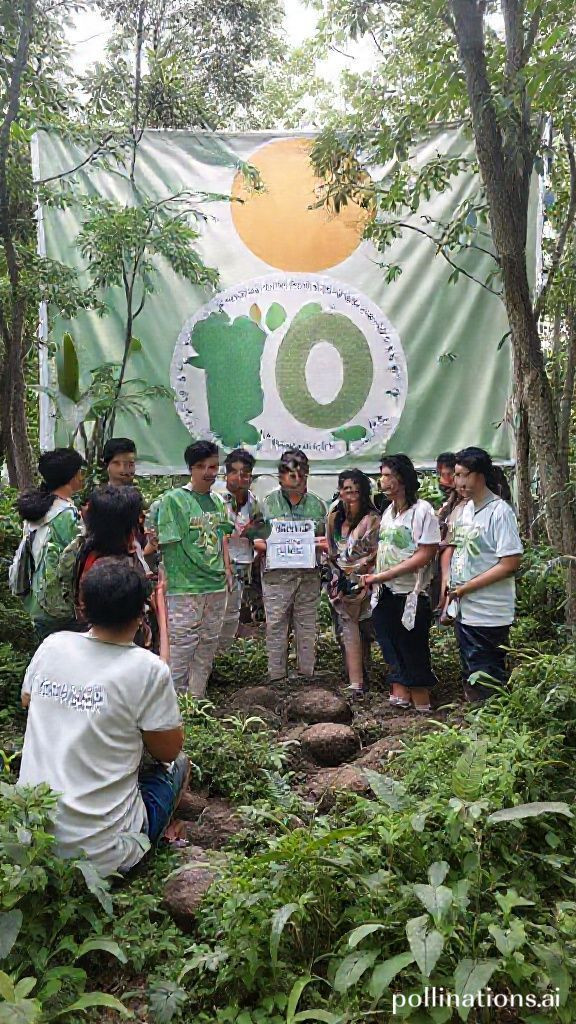
Sustainability in Action 10 Years of Philippine Sustainability Movement
As we mark the 10th anniversary of the Philippine Sustainability Movement, it's evident that sustainability is no longer a desirable goal, but a vital necessity for businesses, NGOs, and government agencies committed to environmental stewardship, ethical sourcing, and transparency in food systems.
Key Takeaways
The movement has grown into a collaborative platform that advocates for making food systems transparent, from farm to table. This includes
1. Transparency in Food Systems The Philippine Sustainability Movement emphasizes the importance of making food systems transparent, ensuring consumers can trust the origin and quality of their food.
* Example PYC Foods and One World Deli's ESG and Sustainability Framework aims to embed environmental and social accountability into everyday food operations.
2. Organic Practices Organic farming provides a foundation for stronger, more resilient food systems that prioritize sustainability and environmental stewardship.
* Example Naturland e.V. supports farmers by equipping them with practical knowledge, helping businesses meet organic standards, and empowering consumers to make responsible choices.
3. ESG Integration Environmental, Social, and Governance (ESG) integration is crucial for sustainable business practices that prioritize long-term value creation over short-term gains.
* Example The hospitality and retail industries are incorporating ESG principles into their operations to ensure transparency and accountability.
4. Collaboration and Education Collaboration and education are essential for driving sustainability in the food industry, fostering a culture of shared responsibility and collective action.
* Example The Philippine Sustainability Movement has brought together representatives from various sectors to strengthen environmental stewardship and responsible food production.
5. Innovative Solutions Innovative solutions are needed to address the complex sustainability challenges facing the food industry, such as reducing waste, promoting sustainable agriculture, and enhancing supply chain transparency.
Lessons Learned
As we reflect on the movement's 10-year journey, it's clear that
Sustainability is no longer a nicety, but a necessity in the food industry.
Transparency and traceability are essential for building trust with consumers.
Organic practices provide a foundation for stronger, more resilient food systems.
ESG integration is crucial for sustainable business practices.
Collaboration and education are key to driving sustainability in the food industry.
Call-to-Action
As we celebrate this milestone, let's continue to work together to create a more sustainable future. Here are some ways you can get involved
Learn more about the movement and its initiatives.
Share your own sustainability story and best practices.
Join forces with like-minded individuals and organizations to drive change.
Conclusion
The Philippine Sustainability Movement has made significant progress in promoting environmental stewardship, ethical sourcing, and transparency in food systems. As we look to the future, it's clear that sustainability is no longer a nicety, but a necessity. By working together, we can create a more sustainable food industry that benefits both people and the planet.
SEO Keywords
Philippine Sustainability Movement
Food Systems Transparency
Organic Practices
ESG Integration
* Sustainability in the Food Industry

Popular Tools
Recent Posts