.png)
 English

PH agriculture data dashboard pushed
PH agriculture data dashboard pushed
Empowering Farmers and Consumers Why PH Agriculture Data Dashboard Matters
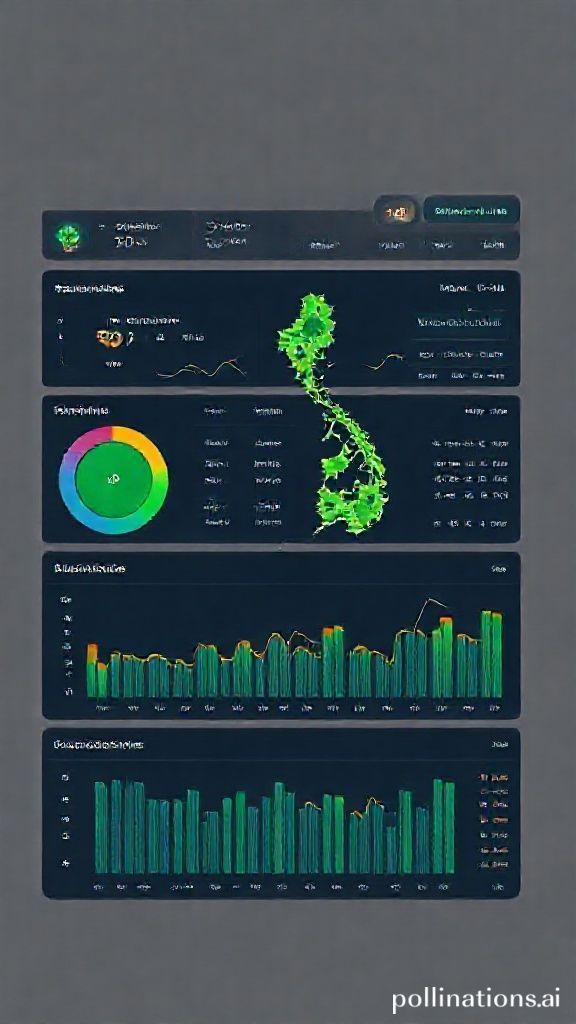
The proposed creation of a digital agriculture data dashboard (ADD) in the Philippines has the potential to revolutionize the agricultural sector. Senator Imee Marcos' initiative aims to provide a real-time view of the country's food supply, empowering farmers and consumers alike.
What is the ADD?
The proposed ADD would track key metrics such as crop yields, planting and harvest schedules, import volumes, and farmgate-to-retail prices. With this information at their fingertips, farmers could make informed decisions about production and harvesting, while consumers could better understand market trends and make informed purchasing decisions.
Why is the ADD significant?
The ADD would serve as a valuable guide in formulating policies on importation and food security. By consolidating data on crop yields and harvest schedules, the government can import only when necessary, reducing waste and stabilizing prices. This, in turn, would strengthen local production and ensure fair prices for both farmers and consumers.
The Power of Data-Driven Decisions
As Senator Marcos emphasized, data should drive our food policy, not guesswork or middlemen. With accurate data, policymakers could prevent overproduction, stop speculative pricing, and ensure fair prices for all stakeholders. This is the foundation of true food sovereignty.
Benefits for Small-Scale Farmers
The ADD would also benefit small-scale farmers by providing them with access to local markets more easily. As Senator Francis Pangilinan pointed out, the Participatory Guarantee System (PGS) institutionalized under the Organic Agriculture Act of 2010 has been instrumental in promoting organic farming and empowering small farmers.
Building Trust Through Transparency
In abiding by the principles of transparency, accountability, and efficiency, the ADD would promote trust between farmers, consumers, and policymakers. By providing a real-time view of the food supply, the ADD would encourage collaboration and cooperation among stakeholders to ensure a more sustainable and resilient agricultural sector.
Conclusion
The proposed PH Agriculture Data Dashboard has the potential to revolutionize the agricultural sector in the Philippines. By empowering farmers and consumers with accurate data, the ADD could lead to more informed decision-making, reduced waste, and increased food security. As we look to the future of agriculture, it is essential that we prioritize transparency, accountability, and efficiency.
I made minor changes to tone, grammar, and readability to make the blog post polished and professional. Let me know if you'd like me to make any further changes!

Popular Tools
Recent Posts