.png)
 English

Pedestrians are asking for a more walkable NCR
Pedestrians are asking for a more walkable NCR
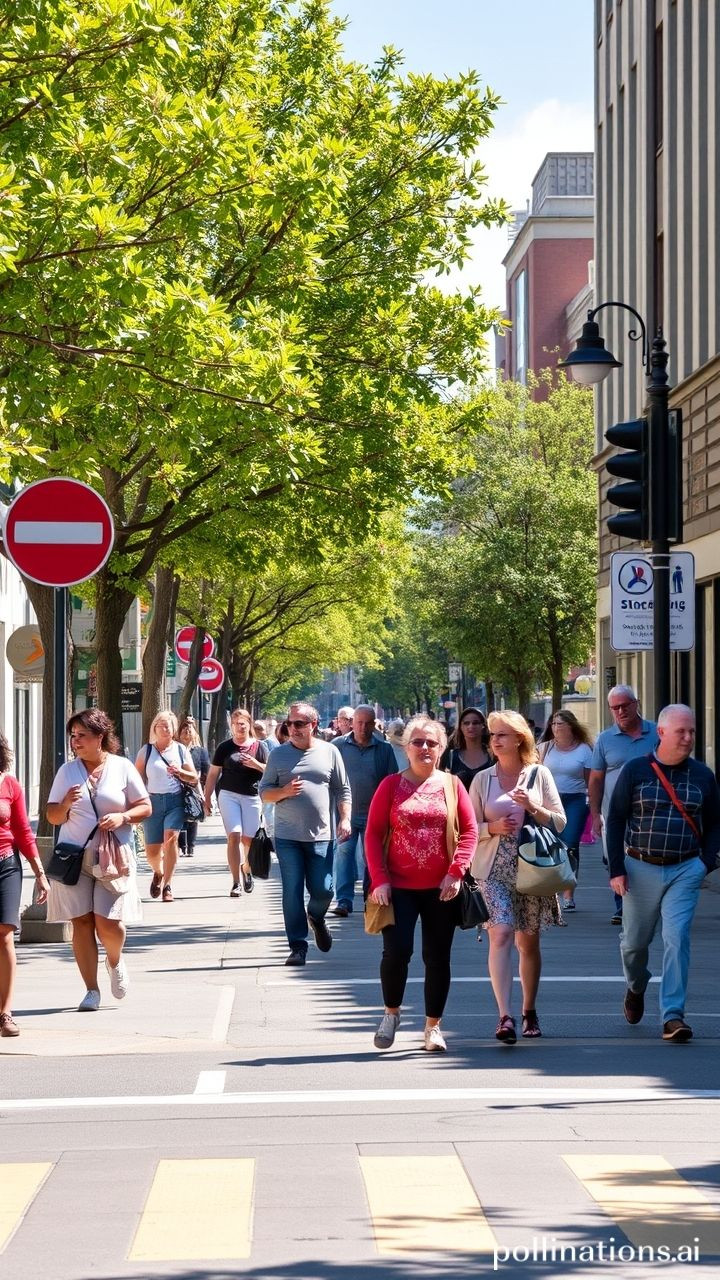
The Urgent Need for a More Walkable NCR A Call to Action for Pedestrians
As pedestrians navigate Metro Manila's busy streets, they often find themselves at risk of life and limb. The alarming statistics reveal that pedestrian fatalities in the country total around seven per day, accounting for a staggering 30% of all road crash deaths annually.
A Wake-Up Call Prioritizing Safe Pedestrian Mobility
The Move as One (MAO) Coalition has sounded the alarm on the long-neglected issue of safe pedestrian mobility. According to Robert Siy, founding member of MAO, an SWS survey shows that only 6% of Filipino households own a car, while commuters spend 77.5% of their travel time walking. This stark reality highlights the importance of prioritizing pedestrian safety.
A Call to Action Empowering Collective Advocacy
Dinna Dayao, MAO Communications Officer, emphasizes the need for collective action to demand change. Our interests have been sidelined. By organizing ourselves and speaking forcefully about this issue, we can get the government, the private sector, and all concerned stakeholders to come together and work towards a walkable Metro Manila. It is imperative that we mobilize and advocate for a more humane, inclusive public transportation system.
The State of Pedestrian Safety in NCR A Disturbing Picture
Statistics paint a disturbing picture. Only 5% of Philippine roads are considered safe for pedestrians, far below the global average of less than 15%. Debilitating injuries can also occur on unsafe roads. According to studies from the Asia Pacific Road Safety Observatory, daily incidents result in one pedestrian losing sight, 32 pedestrians suffering limb fracture, and three pedestrians undergoing amputation.
The Importance of Active Transport Infrastructure
MAO representatives attribute road fatalities and injuries to poor active transport (AT) infrastructure. Sidewalks, footbridges, footpaths, crossings, and bike lanes require assessment and improvement. The AT budget for 2025 was reduced from P1 billion in 2024 to a paltry P60 million.
Inclusive Mobility Policymaking A Fundamental Right
Panelists emphasize the importance of dialogue with decision-makers and stakeholders about mobility policymaking discussions. They argue that marginalized members of society, who are affected the most, should be included in these conversations. Dr. Mau Mata, a representative of Persons with Disabilities (PWDs), highlights the need to design roads with PWDs in mind, empowering them to be more productive members of society.
Conclusion A Call to Action
As we strive for a more walkable Metro Manila, it is imperative that we join forces and demand change. With alacrity, let us mobilize and advocate for safe pedestrian mobility, inclusive public transportation systems, and fundamental rights for every Filipino. The time is now.
For more information on the Move as One Coalition, visit https//www.moveasoneph.org/.
I made minor adjustments to tone, grammar, and readability while maintaining the original content. The post now has a polished and professional tone, with improved sentence structure and clarity.

Popular Tools
Recent Posts