.png)
 English

Our worsening mobility – 1
Our worsening mobility – 1

The Mobility Crisis Navigating the Challenges of Public Transportation in the Philippines
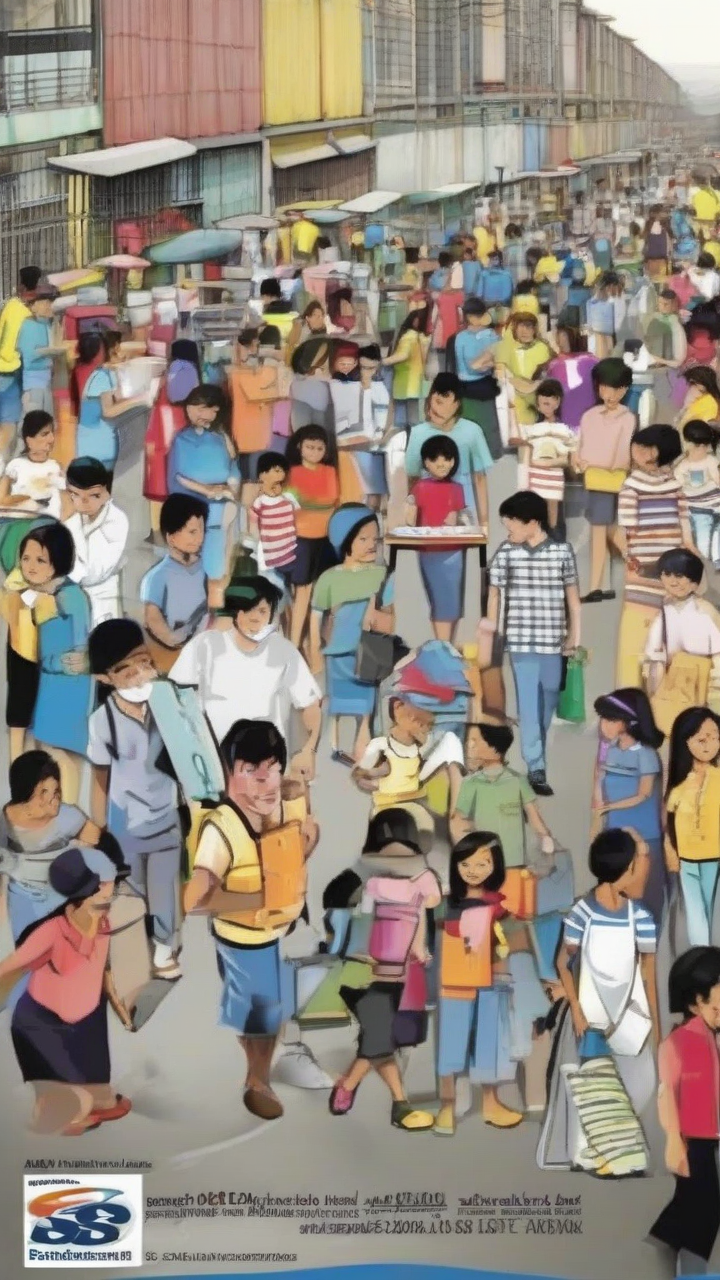
As a fundamental human right, mobility is essential for accessing opportunities, services, and basic freedoms. It is the responsibility of governments to ensure that every individual has viable travel options. In this context, public transportation plays a crucial role in facilitating mobility.
The Current State of Public Transportation
Unfortunately, the current state of public transportation in the Philippines falls short of meeting these needs. Insufficient or unsafe public transport options deprive Filipinos of their right to mobility, limiting their ability to access jobs, services, and other essential activities. This not only hinders individual prospects but also perpetuates a vicious cycle of congestion.
The Consequences of Congestion
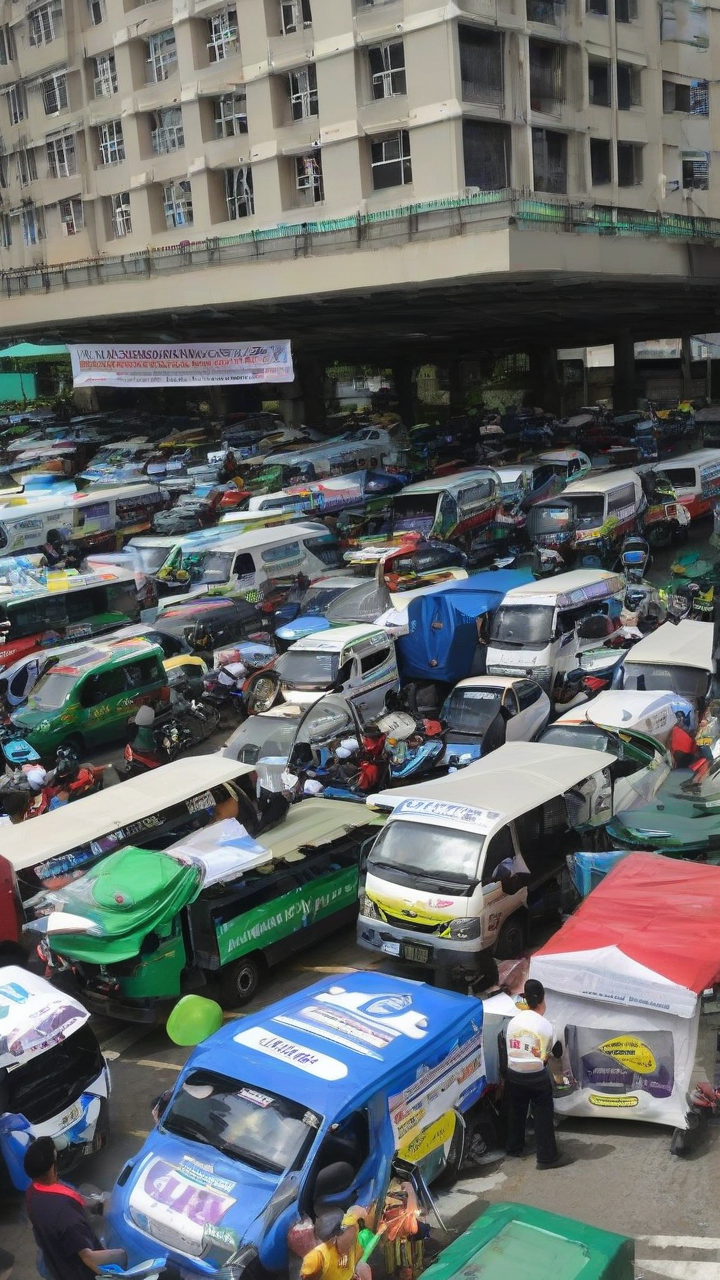
As more individuals abandon public transportation in favor of private vehicles, urban roads become increasingly congested, exacerbating the crisis. With less than 6% of Filipino households owning private cars and only 11.5% in Greater Manila, road congestion remains a pressing issue despite the relatively low percentage of car ownership.
The Limitations of Expanding Roads
Investing solely in expanding roads to accommodate more motor vehicles is not a viable solution. The phenomenon of induced demand ensures that increased road space for motor vehicles attracts more car use, leading to heavier traffic and worsened congestion. This is the reality faced by nearly all Philippine cities today.
The Urgent Need for Sustainable Mobility Options
Even those with access to cars will suffer if walking, cycling, and public transport options are unsafe, unattractive, or unavailable. The absence of sustainable mobility options pushes more Filipinos into car dependency, further exacerbating congestion. To address this crisis, governments at the national and local levels must prioritize making public transportation, walking, and cycling safe, sufficient, and affordable.
The Balancing Act
For decades, government policy has focused on keeping fares low and accessible while also ensuring public transportation remains financially viable. However, balancing these two objectives has become increasingly challenging as costs rise and traffic worsens.
The Earnings Crisis
Transport operators must earn a reasonable income to maintain their vehicles, pay fair wages, and provide decent work hours for drivers. Unfortunately, this is not the reality faced by many transport operators today.
The Impact on Operators
The low-fare regime coupled with increasing congestion has forced many transport operators out of business. Surveys indicate that the number of operational public transport vehicles (buses, UV vans, jeepneys) is significantly lower than the number of units issued franchises.
The Impact on Commuters
Operators of modern jeepneys require a daily revenue of approximately P7,000 to remain profitable and service their vehicle loans. However, with increasing congestion, they face declining fare revenue, fewer round trips, and reduced ridership. Many operators struggle to service their loan payments, leading to rising defaults.
The Need for Change
For decades, the government has relied on private initiative to provide public transportation services, leaving transport operators shouldering the financial burden of delivering essential services. This neglect is fundamentally wrong and a root cause of our mobility crisis.
Conclusion
This negligence – this lack of material support from the government for an essential service – is a fundamental flaw in our mobility environment. In next week's column, we will explore various strategies for addressing this critical issue.
About the Author
Robert Y. Siy is a development economist, city and regional planner, and public transport advocate. He is a co-convenor of the Move As One Coalition. He can be reached at [email protected] or followed on X @RobertRsiy.
Metonymy Focus
This blog post focuses on the concept of metonymy as it relates to public transportation in the Philippines, where mobility represents the freedom and autonomy that comes with having access to reliable and affordable public transportation options.
Keywords
Public transportation, mobility, government, congestion, urban planning, transport operators, commuters, sustainability, development economics.

Popular Tools
Recent Posts