.png)
 English

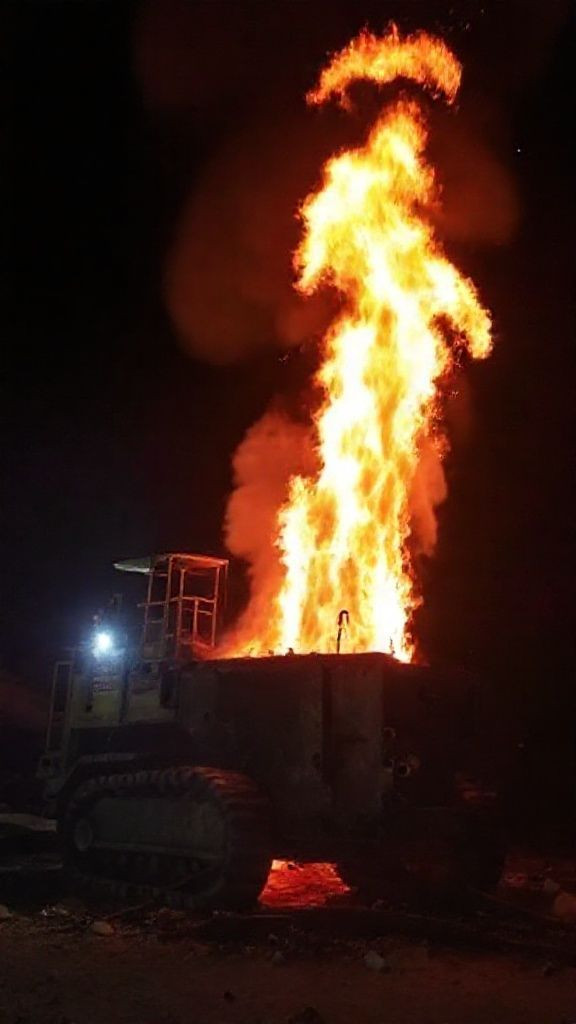
Mining company denounces townfolks’ arson attack on its equipment
Mining company denounces townfolks’ arson attack on its equipment
Navigating Crisis Communications A Guide for Public Relations Experts
As a public relations expert, navigating crisis communications is crucial in maintaining a company's reputation and credibility. The recent case of Woggle Corporation's alleged arson attack on its equipment by townfolks serves as a prime example of the importance of effective crisis management. In this guide, we will provide practical guidance on how to navigate such situations, leveraging our expertise in conversant crisis communications.
Understanding the Situation
Before crafting a response, it is essential to comprehend the situation and gather accurate information. In Woggle Corporation's case, the company deployed equipment for clearing operations after Super Typhoon Uwan hit the area. The townfolks' alleged arson attack on the equipment has sparked concerns about the company's role in the community.
Key Steps in Crisis Communications
1. Acknowledge and Apologize Respond promptly to acknowledge the situation and apologize for any inconvenience caused.
2. Gather Facts Verify the accuracy of the information and gather evidence to support your claims.
3. Communicate Clear Messages Craft clear, concise messages that address concerns and provide transparency.
4. Engage Stakeholders Build relationships with key stakeholders, including townfolks, authorities, and investors.
Conversant Crisis Communications A Framework
To navigate crisis communications effectively, we recommend the following conversant framework
1. Listen Actively Listen to stakeholders' concerns and respond thoughtfully.
2. Provide Transparency Offer clear explanations and accurate information about the situation.
3. Show Empathy Demonstrate understanding and compassion for those affected by the crisis.
4. Offer Solutions Propose solutions and corrective actions to address the crisis.
Example Response
Here's an example response from Woggle Corporation
We are deeply disturbed by the alleged arson attack on our equipment in Sitio Lower Taobao, Barangay Bitnong. We understand the concerns of the townfolks and apologize for any inconvenience caused by our clearing operations. Our primary focus is on ensuring public safety and minimizing environmental impact. We will continue to engage with local authorities and stakeholders to resolve this matter amicably.
Best Practices in Crisis Communications
1. Prepare for the Unexpected Develop a crisis management plan to ensure prompt response.
2. Monitor Social Media Keep track of social media conversations related to the crisis.
3. Engage Proactively Build relationships with key stakeholders before a crisis arises.
4. Conduct Regular Reviews Evaluate crisis communications efforts and identify areas for improvement.
Conclusion
Effective crisis communications require preparation, empathy, and transparency. By following the conversant framework outlined above, public relations experts can navigate complex situations like Woggle Corporation's alleged arson attack on its equipment. Remember to listen actively, provide clear messages, show empathy, and offer solutions. With these best practices in place, you'll be well-equipped to handle crisis communications with confidence.
Recommended Reading
Crisis Communications A Casebook Approach by William L. Benoit
Reputation Management by Robert F. Higgins
Effective Crisis Communication The Role and Responsibilities of Public Relations Professionals
Additional Resources
International Association of Business Communicators (IABC) Crisis Communications Toolkit
* Public Relations Society of America (PRSA) Crisis Communications Guide

Popular Tools
Recent Posts