.png)
 English

Mideast war chokes flows of oil and natural gas, poses energy security risks for Asia
Mideast war chokes flows of oil and natural gas, poses energy security risks for Asia
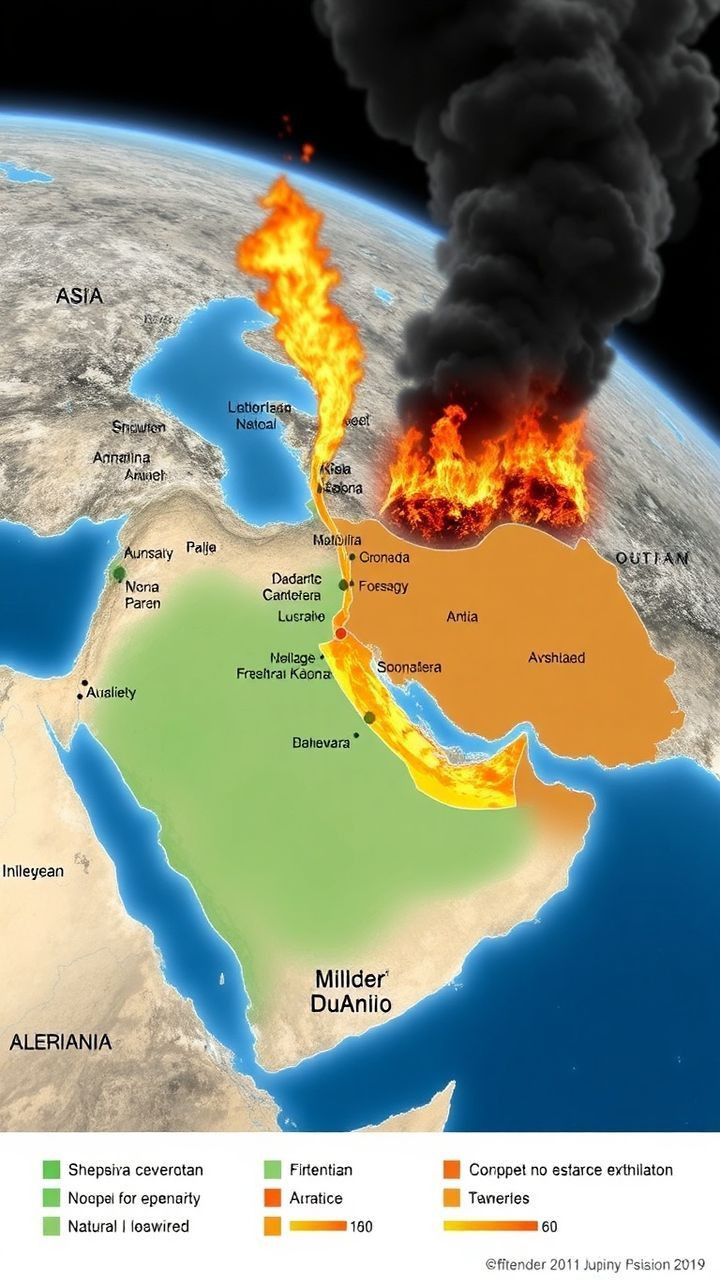
The Mideast War's Ripple Effect How Oil and Gas Flows Impact Energy Security in Asia
The ongoing conflict in the Middle East is sending shockwaves through the global energy market, with Asia being one of the most significantly affected regions. The Strait of Hormuz, a vital waterway for oil and liquefied natural gas (LNG) shipments, has been disrupted, leading to a surge in prices and concerns about energy security.
Asia's Energy Dependence and Vulnerability
Asia is the world's largest consumer of energy, and its reliance on imported fuel makes it particularly vulnerable to supply chain disruptions. The region's economies are heavily dependent on oil and gas imports, with China and India being the largest consumers. Any shortage or price hike can have a significant impact on the region's economic growth and development, making it crucial for governments and energy companies to work together to mitigate the effects of the disruption.
The Strait of Hormuz A Vital Waterway and Global Energy Hub
The Strait of Hormuz is a narrow passageway that connects the Persian Gulf to the Gulf of Oman, and it plays a crucial role in global energy trade. Approximately 13 million barrels of oil per day, or about a third of all seaborne crude, moves through the strait. Additionally, around 20% of the world's LNG, a significant portion of which is shipped to Asia, also flows through this vital waterway.
Impact on Asia's Energy Security and Economy
The disruption in the Strait of Hormuz has led to a surge in oil and gas prices, with Brent crude jumping 15% to around $84 per barrel. This price hike can have far-reaching consequences for Asia's energy security, particularly for China and India, which are already struggling to balance their energy demands with supply. The economic implications of this disruption are significant, with higher energy costs likely to affect the region's economic growth and development.
China's Energy Security and Strategies
China is the world's largest crude oil importer and has been working to diversify its energy sources. However, its reliance on imported oil, particularly from Iran, makes it vulnerable to supply chain disruptions. China has strategic petroleum reserves, but it is unlikely to struggle to source enough crude to meet its energy demands. The real concern is the impact on its economy and energy-intensive industries.
India's Energy Security and Challenges
India is the third-largest crude oil importer and has been trying to reduce its dependence on Middle Eastern oil. However, its energy security is still vulnerable to supply chain disruptions. India's dependence on imported oil makes it susceptible to price shocks, and its economy is likely to feel the pinch.
Southeast Asia's Energy Concerns and Challenges
Southeast Asia is also affected by the disruption in the Strait of Hormuz. Developing economies like Thailand, Indonesia, and the Philippines are heavily dependent on imported energy, making them vulnerable to supply chain disruptions. These countries are likely to face higher energy bills, which can have a significant impact on their economic growth and development.
Conclusion and Call to Action
The war in the Middle East has sent shockwaves through the global energy market, and Asia is particularly vulnerable to the disruption in the Strait of Hormuz. As the conflict continues, it is essential for governments and energy companies to work together to mitigate the impact of the price hike and ensure energy security in the region. By diversifying energy sources, increasing energy efficiency, and developing alternative energy solutions, Asia can reduce its reliance on imported energy and ensure a more stable and secure energy future.
Keywords Mideast war, oil and gas flows, energy security, Asia, Strait of Hormuz, China, India, Southeast Asia, energy dependence, supply chain disruptions.