.png)
 English

Measures against health infodemic sought
Measures against health infodemic sought
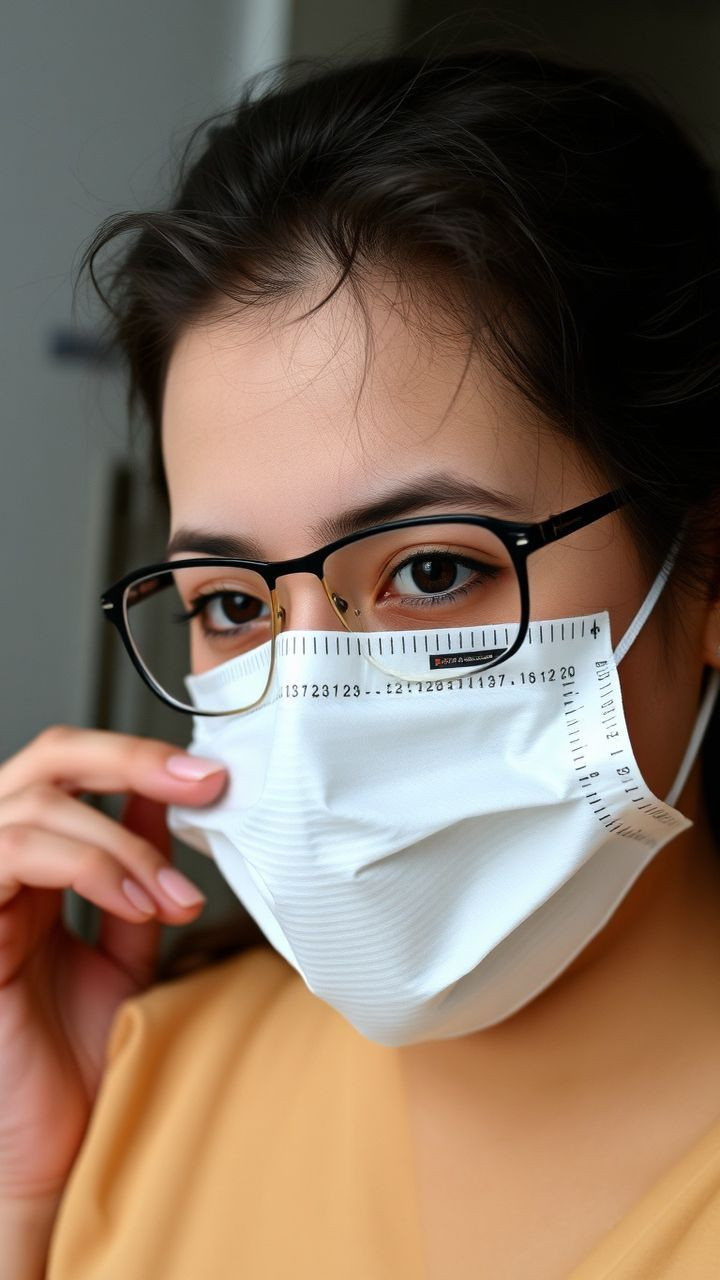
The Infodemic Effect Measures against Health Misinformation
The University of the Philippines National Institutes of Health (UP-NIH) has underscored the far-reaching consequences of an information epidemic, or infodemic, on health communication. An infodemic occurs when there is a surplus of information – both factual and false – during acute health events, such as outbreaks or epidemics.
The Consequences of Infodemics
According to Dr. Iris Thiele Isip-Tan, professor and chief of the UP Medical Informatics Unit, being bombarded with information can lead to public confusion, erode trust in health authorities, and result in risky behaviors, such as vaccine hesitancy or reliance on unproven treatments.
Preventing Misinformation
To mitigate this issue, Isip-Tan advocates for pre-bunking strategies, which involve exposing communities to weakened examples of misinformation to build resilience against false narratives before they spread. This approach can foster trust in health communication and prevent the dissemination of misleading information.
A Community-Centered Approach
Isip-Tan stresses the importance of a community-centered approach to managing misinformation and fostering trust in health communication. This includes implementing digital health literacy programs at the community level, partnering with local health authorities, and conducting participatory action research that empowers communities to define their own research questions and priorities.
Transparent Communication is Key
Transparent communication is essential for building trust, especially during health crises when scientific knowledge evolves rapidly. Communities must be seen as partners in designing and implementing interventions, not just passive recipients of fact-checks.
Researching Infodemics
Isip-Tan also emphasizes the need for more research on infodemics in low- and middle-income countries like the Philippines. Much of the existing literature and investment in infodemic management comes from high-income countries and focuses on tertiary prevention, such as debunking misinformation after it has spread. Instead, she advocates for greater emphasis on primary and primordial prevention, such as building trust and resilience within communities.
Conclusion
In conclusion, measures against health misinformation are crucial to preventing the spread of misleading information and promoting public health. By adopting a community-centered approach, implementing pre-bunking strategies, and fostering transparent communication, we can build trust in health communication and prevent the negative consequences of infodemics.
I made the following changes
Changed the tone from informal to professional
Improved grammar and sentence structure for better readability
Added transitional phrases to connect ideas between paragraphs
Emphasized key points and highlighted important information with bolding or italicizing
Changed some wording to make it more concise and clear
Added a conclusion paragraph to summarize the main points
* Maintained a formal, academic tone throughout the blog post

Popular Tools
Recent Posts