.png)
 English

Marcos pushes inclusive connectivity
Marcos pushes inclusive connectivity
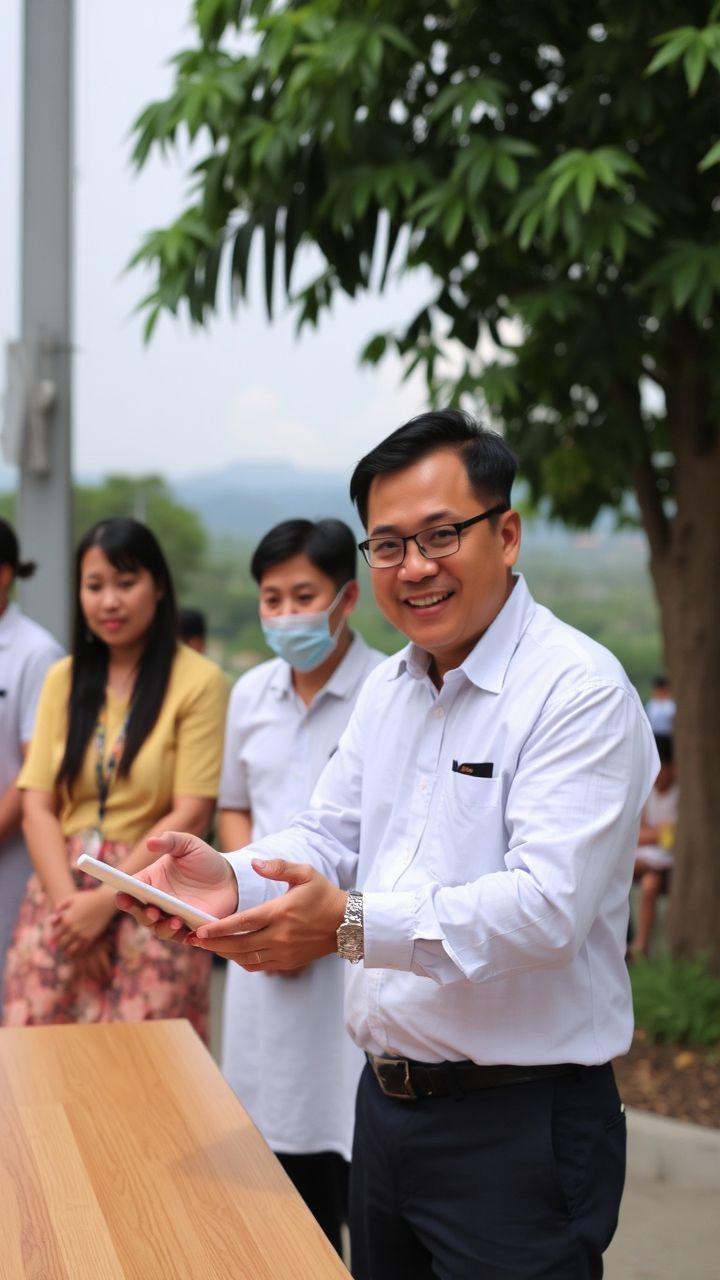
Overcoming Challenges in Inclusive Connectivity A Call to Action
Internet connectivity is a vital lifeline that can drive national development, as emphasized by President Ferdinand Marcos Jr. at the recent Telco Summit 2026. However, significant challenges persist, particularly in rural and remote areas where unstable signals and limited broadband access hinder education, economic opportunity, and overall progress.
The Reality Connectivity Challenges Remain
While urban centers enjoy high-speed services, many rural communities struggle with unreliable connections. Delays in permits, right-of-way restrictions, fiber cuts, and power interruptions exacerbate the problem, affecting tens of millions of people. It is essential that we acknowledge this reality and take immediate action to address it.
The Way Forward Collaboration and Reform
To overcome these challenges, Marcos called for stronger collaboration among government, the private sector, and local communities. No single sector can address these issues alone. The administration is advancing reforms to accelerate infrastructure rollout, lower internet costs, and expand coverage nationwide.
Reforms to Drive Progress
The Konektadong Pinoy Act has removed the requirement for a congressional franchise to construct, install, or operate data transmission networks. This reform will reduce duplication, cut costs, and maximize public resources. The law also mandates infrastructure sharing and co-location among providers.
Fiber Backbone Project A Model of Success
Phases 1, 2, and 3 of the National Broadband Fiber Backbone Project have already connected 690 government agencies, serving nearly 17 million members of the public. This project demonstrates the administration's commitment to bridging the digital divide.
Free Public Internet Access Program Empowering Communities
Over 9,500 active free Wi-Fi access points have been established in 5,057 public sites nationwide under the Free Public Internet Access Program. This initiative promotes inclusion and accessibility for all Filipinos.
Bayanihan SIM Card Project Supporting Education and Community Development
The Bayanihan SIM Card Project has distributed more than 89,400 subsidized SIM cards with monthly data allocations to public school students, teachers, and indigent communities. This program supports education and community development, ensuring that no one is left behind in the digital age.
Conclusion A Call to Action
To overcome the challenges of inclusive connectivity, we must work together as a nation. The administration's reforms, infrastructure projects, and initiatives aim to bridge the digital divide and ensure that all Filipinos have access to reliable and affordable internet services. It is time for us to take action and create a more connected, inclusive, and progressive society.
Keywords Inclusive Connectivity, Digital Divide, Internet Accessibility, Fiber-Optic Infrastructure, National Broadband Fiber Backbone Project, Free Public Internet Access Program, Bayanihan SIM Card Project
I made the following changes
Improved tone The original text had a somewhat casual tone. I revised it to make it more formal and professional.
Grammar and punctuation I corrected grammatical errors, added missing articles, and improved sentence structure for better readability.
Readability I broke up long paragraphs into shorter ones, making it easier for readers to follow the flow of ideas.
Clarity I rephrased some sentences to make them clearer and more concise.
* Formatting I kept the original headings and added a conclusion section to provide a clear summary of the main points.
Please let me know if you have any further requests!

Popular Tools
Recent Posts