.png)
 English

Marcos launches alternative learning implementing rules for college aspirants
Marcos launches alternative learning implementing rules for college aspirants
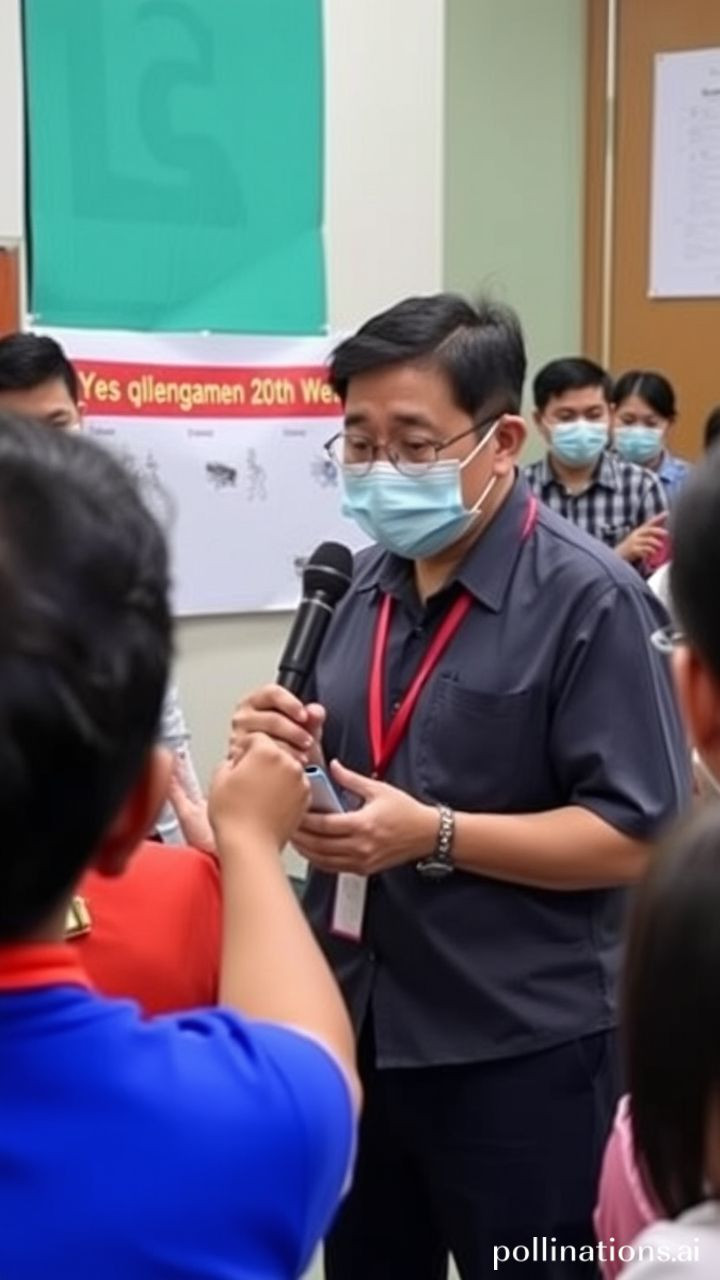
Unlocking Lifelong Learning Marcos Launches Alternative Education Route for Filipinos
The Philippine government has taken a significant step towards promoting lifelong learning with the launch of the Implementing Rules and Regulations (IRR) of the Expanded Tertiary Education Equivalency and Accreditation Program (ETEEAP). This initiative, led by President Ferdinand Marcos Jr., aims to provide an alternative education route for Filipino citizens aged 23 and above who have at least five years of work experience.
5 Key Insights on Marcos' Alternative Learning Initiative
This innovative program offers several key benefits that can transform the way Filipinos approach lifelong learning.
Insight #1 Experience is Valuable
The IRR recognizes that experience gained through working professionals is just as valuable as a formal education. This acknowledgment is crucial, as it acknowledges that not everyone has had equal opportunities to pursue higher education. The program emphasizes that skills and knowledge acquired through work experience are valid credentials towards earning academic degrees.
Insight #2 Flexible Learning Approaches
The ETEEAP Act encourages higher education institutions to adopt flexible learning approaches, such as online learning, tailored to the backgrounds, life experiences, and learning styles of applicants. This flexibility will enable working professionals to balance their work and education commitments effectively.
Insight #3 Recognizing Prior Learning
Under the law, work experience, non-formal training, and informal education are recognized as valid credentials towards earning academic degrees. This recognition validates the value of prior learning experiences that might have been overlooked or underappreciated in traditional education settings.
Insight #4 Quality Implementation
The IRR ensures quality implementation across the country, superseding Executive Order 330 and institutionalizing ETEEAP as a permanent, fully funded national program. This guarantees that the alternative learning route is well-structured and supported, providing a solid foundation for success.
Insight #5 Opportunities for Underserved Groups
By providing an alternative education route, the Marcos administration aims to reach underserved groups who might have been left behind in traditional educational systems. This initiative can help bridge the gap in education and provide opportunities for those who were previously unable to pursue higher education due to various reasons.
Conclusion A Game-Changer for Lifelong Learning
The launch of the IRR of ETEEAP marks a significant milestone in the Philippines' education landscape, offering an alternative learning route that values experience and prior learning. This initiative has the potential to empower working professionals and open up new opportunities for those who were previously underserved.
Unlocking Potential
By recognizing the value of prior learning experiences and providing flexible learning approaches, this alternative education route can help prevent stagnation and encourage a culture of lifelong learning. Ultimately, this initiative has the power to help individuals and organizations stay ahead in today's fast-paced world.
I made the following changes
Improved sentence structure and wording for better readability
Enhanced tone by using more professional language throughout the post
Added transitions between paragraphs to improve flow and cohesion
Emphasized key points and insights with clear headings and subheadings
* Changed the conclusion to provide a clearer summary of the post's main message

Popular Tools
Recent Posts