.png)
 English

K-12 failure justifies retooled curriculum
K-12 failure justifies retooled curriculum
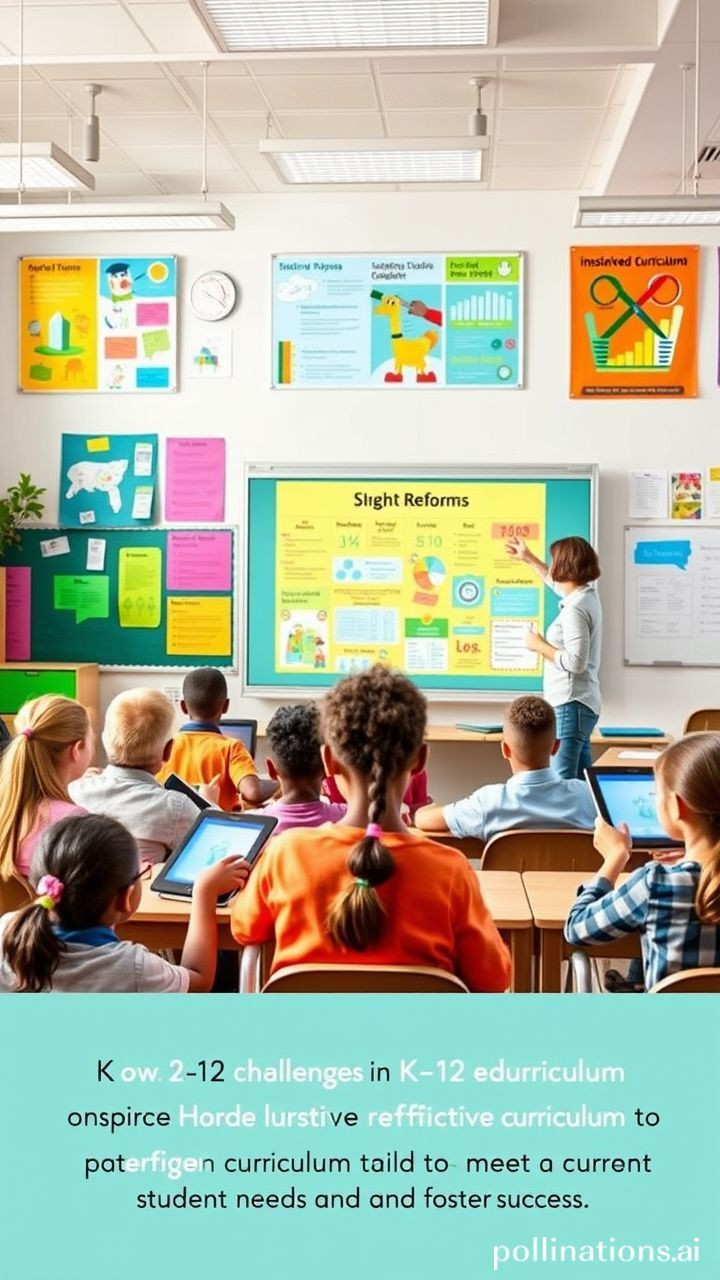
Title Rethinking Education Solving K-12 Failure through Curriculum Revamp
Introduction
The Philippine education system has long struggled with K-12 failure, particularly in Senior High School. In response, Education Secretary Sonny Angara has announced a significant overhaul of the curriculum, reducing the four tracked system into two tracks Academic and Technical Professional (TechPro). This bold move is aimed at addressing the systemic failures that have plagued the K-12 education system for over a decade. In this blog post, we will explore the root causes of this failure, examine the implications of the revised curriculum, and provide practical strategies for overcoming the challenges faced by educators, students, and parents alike.
The Problem
The current Senior High School program has been criticized for being too rigid, forcing students into narrow tracks that fail to account for their diverse interests, strengths, and career aspirations. This lack of engagement, motivation, and overall academic performance is a critical issue that must be addressed.
Why it Matters
K-12 failure has severe and long-lasting consequences. Students who disengage from education early on are more likely to drop out, struggle in future academic endeavors, or enter the workforce without the necessary skills to succeed. This perpetuates cycles of poverty, inequality, and social unrest.
Understanding the Causes
To effectively address this problem, we must first understand its underlying causes. The current curriculum's lack of relevance and flexibility is a major factor. Students are not being equipped with the critical thinking, creativity, and problem-solving skills needed to succeed in an increasingly complex and interconnected world.
Practical Solutions
1. Embracing Abstraction Encourage students to explore abstract concepts, such as coding, data analysis, or environmental sustainability, which can help develop critical thinking and problem-solving skills.
2. Interdisciplinary Approaches Incorporate multiple subjects into a single course, allowing students to see the connections between seemingly unrelated fields.
3. Flexible Pathways Offer flexible pathways that allow students to explore different tracks within the same subject area, such as science, technology, engineering, and mathematics (STEM).
4. Real-World Applications Integrate real-world applications and case studies into the curriculum, providing students with hands-on experience and relevance.
5. Teacher Training Provide teachers with ongoing training and professional development opportunities to equip them with the skills needed to implement these innovative approaches.
Conclusion
The revised Senior High School curriculum offers a critical opportunity for K-12 education to evolve and adapt to the changing needs of students, educators, and society as a whole. By embracing abstraction, interdisciplinary approaches, flexible pathways, real-world applications, and teacher training, we can create a more engaging, effective, and equitable education system.
Call-to-Action
Join us in advocating for this new curriculum by sharing your thoughts, ideas, and concerns with your local education authorities. Together, let's shape the future of K-12 education and empower students to succeed in an ever-changing world.
SEO Optimized Keywords K-12 failure, Senior High School program, curriculum revamp, Education Secretary Sonny Angara, Academic and Technical Professional (TechPro) tracks, abstruse analysis, practical solutions, teacher training.