.png)
 English

Japan’s military shift raises regional concerns for PH
Japan’s military shift raises regional concerns for PH
The Evolution of Japan’s Defense Posture Implications for the Philippines
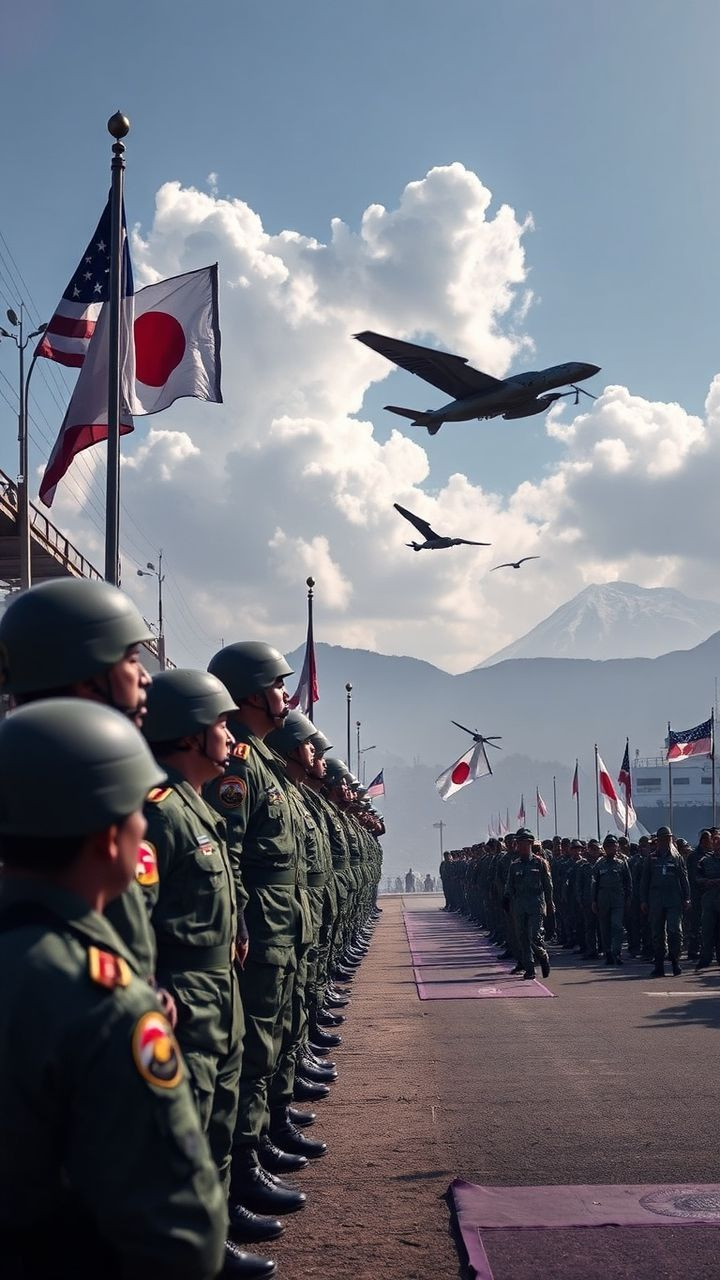
Japan's evolving defense posture, marked by rising military spending and a more assertive security policy, is reshaping regional dynamics in East Asia and carries significant implications for the Philippines. According to geopolitical analyst Adolfo Quizon Paglinawan, this shift raises concerns not only about Japan's renewed militarism but also about the potential consequences for its strategic partnership with Tokyo.
In his analysis, Paglinawan traced Japanese militarism back to the 1868 Meiji Restoration, when Japan modernized to resist Western imperialism and adopted a European-style political system. This led to the creation of a constitution that gave the military direct access to the Emperor, bypassing civilian control and allowing the armed forces to dominate politics.
The consequences of this structural independence were far-reaching. War victories cemented Japan's regional power and instilled the belief that conquest was necessary for survival. For the Philippines, Japanese militarism remains inseparable from wartime trauma, as hundreds of thousands of Filipinos perished between 1942 and 1945 due to violence, famine, disease, and widespread abuses.
However, Paglinawan emphasized that Japan is no longer the occupier it once was. In Manila, it is seen as a strategic partner in both security and development. The Philippines and Japan have formalized defense cooperation through a Reciprocal Access Agreement, enabling joint military exercises, training, and disaster response. Japan has also provided maritime surveillance equipment and coastal radar systems to support Philippine monitoring in the South China Sea.
Beyond defense, Japan remains a crucial partner in infrastructure and economic development, financing projects such as the Metro Manila Subway and regional railways. The renewed debate centers on whether Japan's current trajectory signals a revival of militarism.
Tokyo's adoption of new national security strategies, its push for collective self-defense, and its acquisition of long-range counterstrike capabilities represent a historic shift. Japan's defense budget, set to reach two percent of GDP by 2027, ranks it among the world's largest military spenders. These developments have drawn concern across East Asia.
For Manila, historical memory cannot be ignored. The challenge is navigating between a traumatic past and present alliances. Cooperation with Japan strengthens deterrence, but deeper involvement in regional power rivalries risks entangling the Philippines in conflicts beyond its control.
As Japan recalibrates its role in the Indo-Pacific, Paglinawan pointed out that the Philippines faces a strategic dilemma it must balance security partnerships with the need for an independent foreign policy, avoiding over-reliance on any single power amid growing regional dissonance.

Popular Tools
Recent Posts